Coating Challenges, Failures, and Investigation Methods
Protective coatings are often one of the final elements applied to a structure—but their performance can have an outsized impact on durability, maintenance costs, and long-term risk. When coatings perform as intended, they help protect steel, concrete, and other substrates from corrosion, moisture intrusion, and environmental exposure, while also supporting appearance and functionality. When coatings fail, the resulting repairs can be disruptive, costly, and, in some cases, harmful to the environment.
Coating performance issues can create uncertainty for owners, designers, and contractors alike—raising questions about durability, safety, and next steps. Making informed decisions depends on understanding how coating systems function, what commonly goes wrong, and how investigation approaches can identify root causes and support practical, defensible outcomes.
Understanding Coating Systems
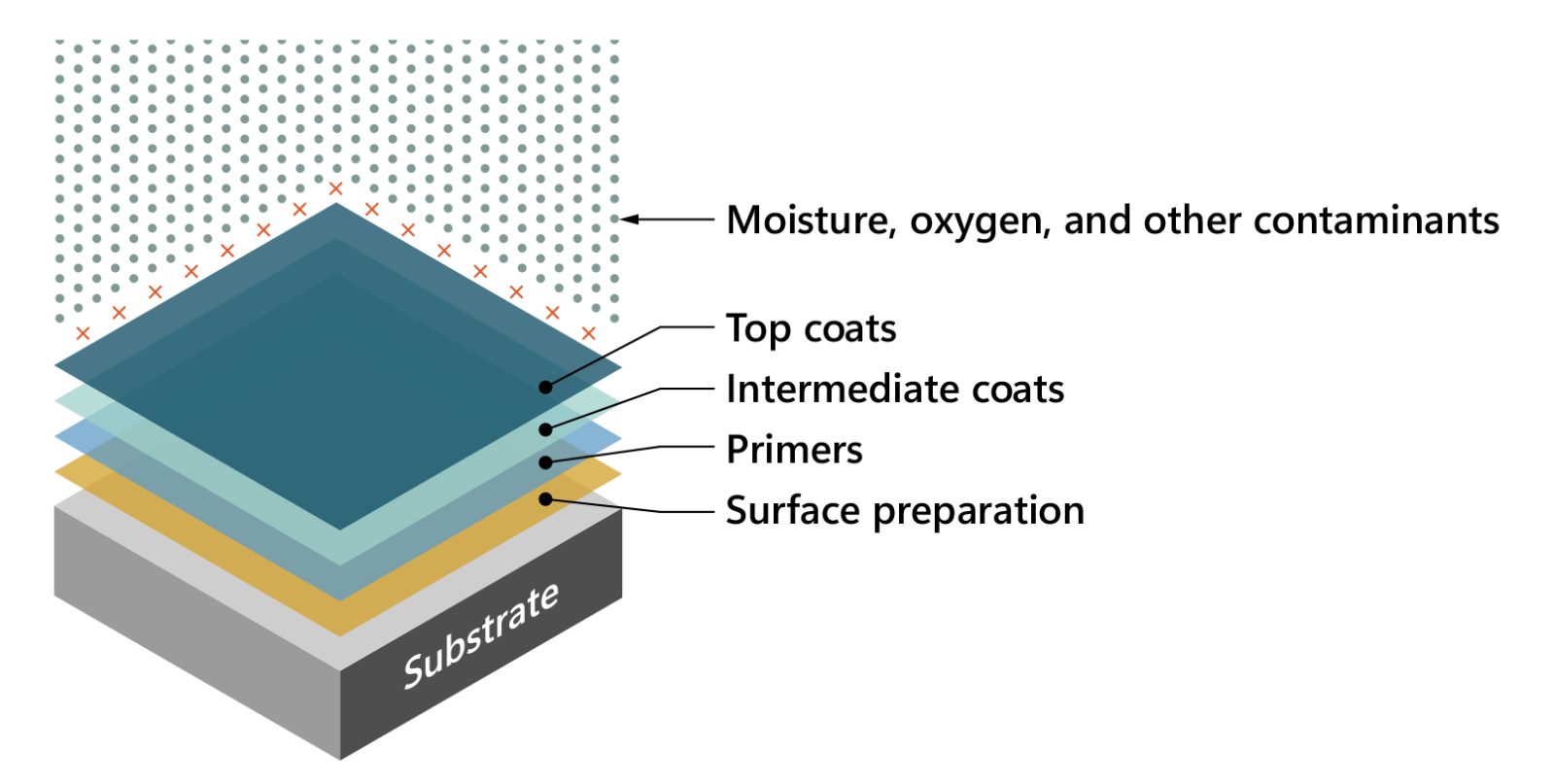
A coating system is not a single product. It is a coordinated sequence of materials and processes working together to protect a substrate over time.
Typically, these systems include:
- The substrate, the base material, which is most commonly steel or concrete
- Surface preparation, which conditions the substrate to promote adhesion
- Primers, designed to bond to the substrate and support subsequent layers
- Intermediate coats, which often provide the bulk of barrier protection
- Top coats, selected for weathering resistance, UV stability, appearance, and, in some cases, impact resistance
In practice, coatings protect substrates by adhering to the surface and by forming a continuous barrier against moisture, oxygen, and contaminants. When either of these mechanisms is compromised, performance suffers, and deterioration of the substrate can begin.
Common Challenges to Coating Performance
Many coating failures are not the result of obscure defects, but of understandable challenges related to selection and application.
System selection matters
Coating systems must be compatible with the substrate and its environment. Project teams need to consider whether these systems are interior or exterior, whether they will be exposed to marine or industrial environments, and whether they will be subject to temperature extremes, regulatory constraints, or service life expectations. When a system is poorly matched to these conditions, failures can occur rapidly—sometimes within weeks—rather than simply shortening the anticipated service life.
Application details are critical
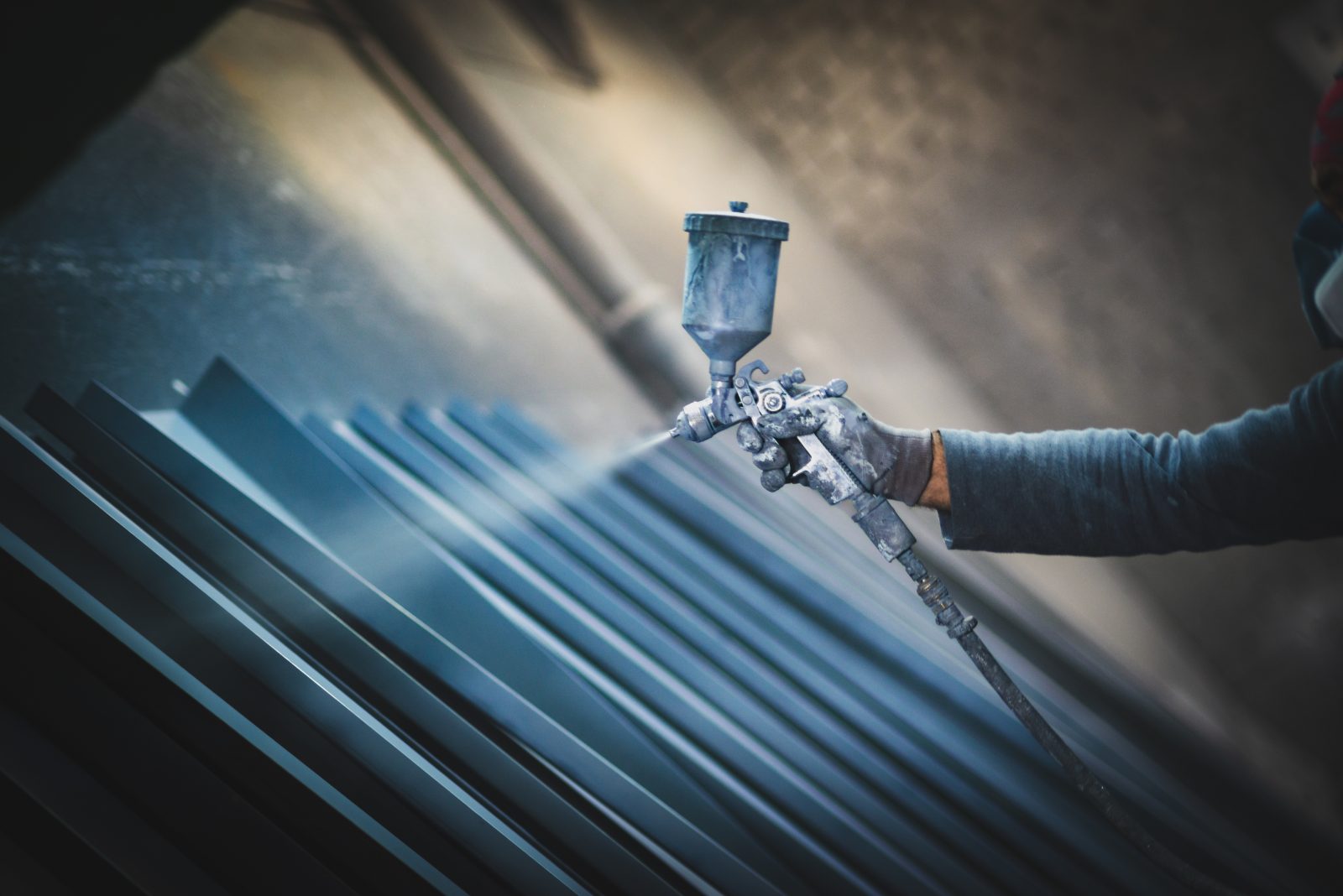
Even well-specified systems can fail if application conditions are not properly controlled. Common challenges include:
- Inadequate surface preparation, such as residual contamination or insufficient surface profile
- Environmental conditions during application, including condensation risk near the dewpoint, extreme temperatures, or airborne dust
- Improper application practices, such as excessive or insufficient film thickness or recoating outside manufacturer-recommended windows
In many investigations, these factors play a central role in premature coating distress.
Recognizing Common Coating Failure Modes
The appearance of a coating failure often provides important clues about its underlying cause.
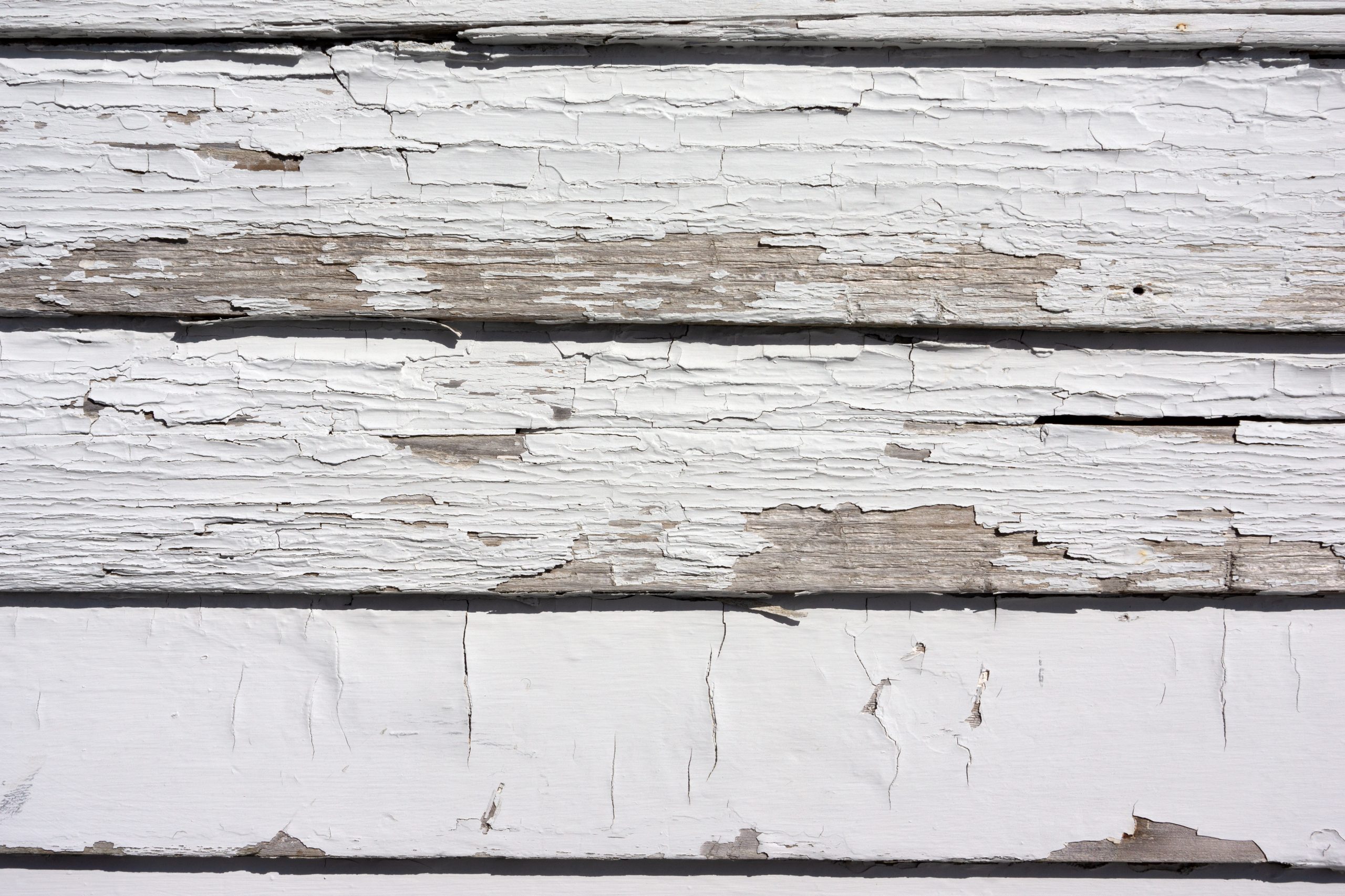
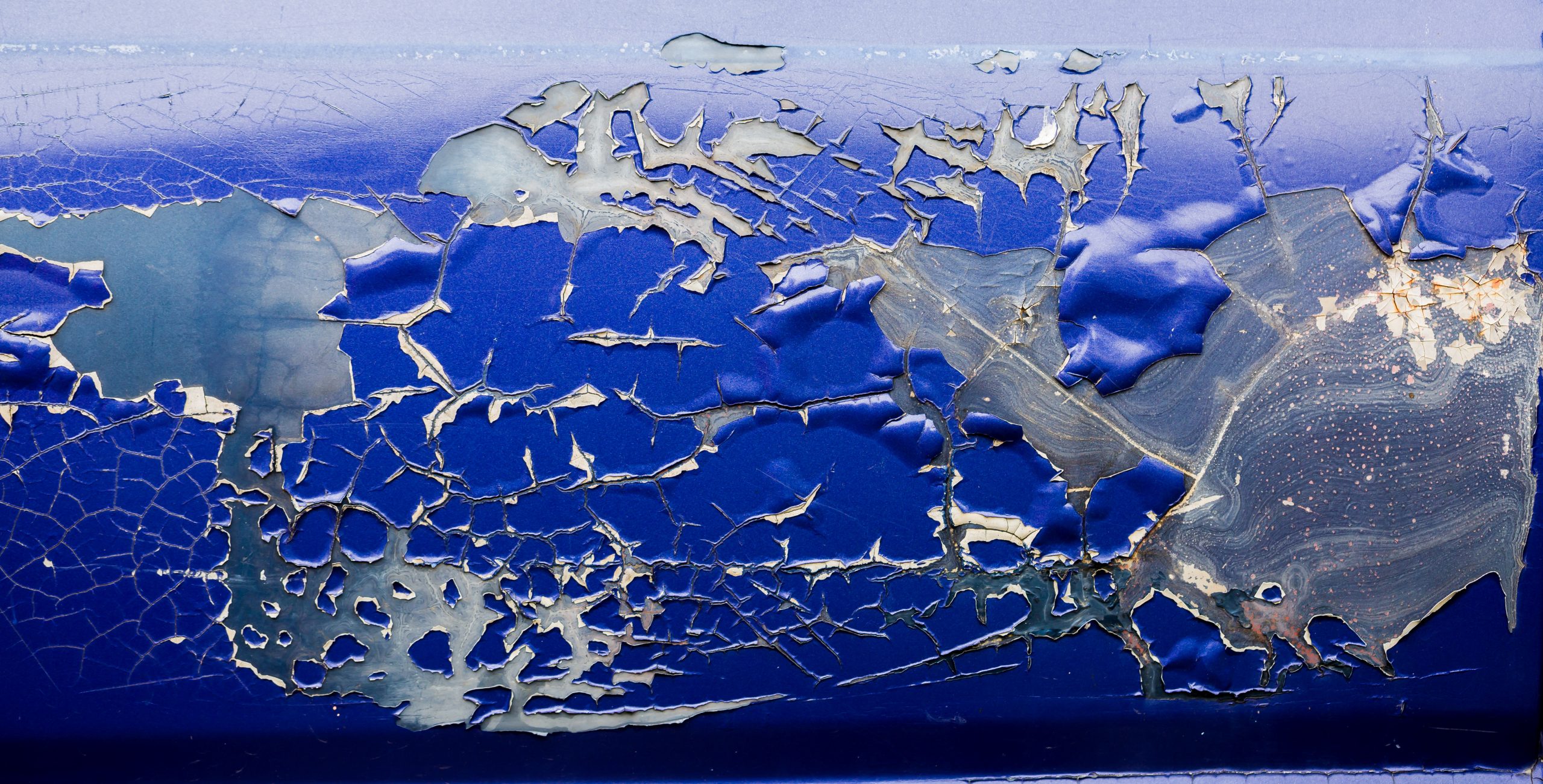
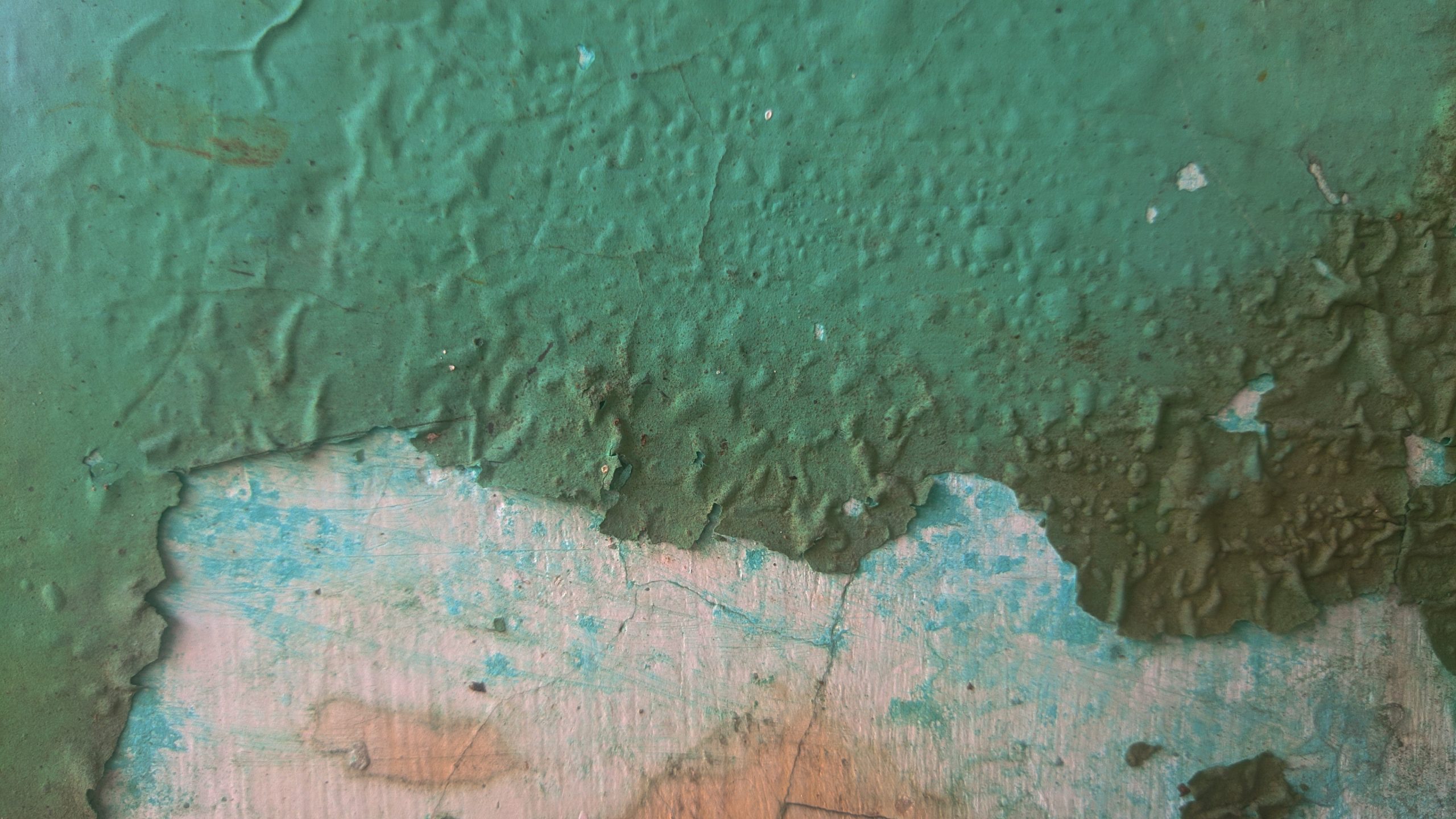
- Checking, alligatoring, and cracking range from fine surface breaks to larger patterned cracking or full-depth fractures that expose the substrate. These conditions may be associated with aging, incompatible coating layers, excessive thickness, or reduced flexibility.
- Delamination, or loss of adhesion, commonly occurs during maintenance or repair work when existing coatings are not adequately cleaned or abraded prior to recoating. It may present as flaking, scaling, or peeling.
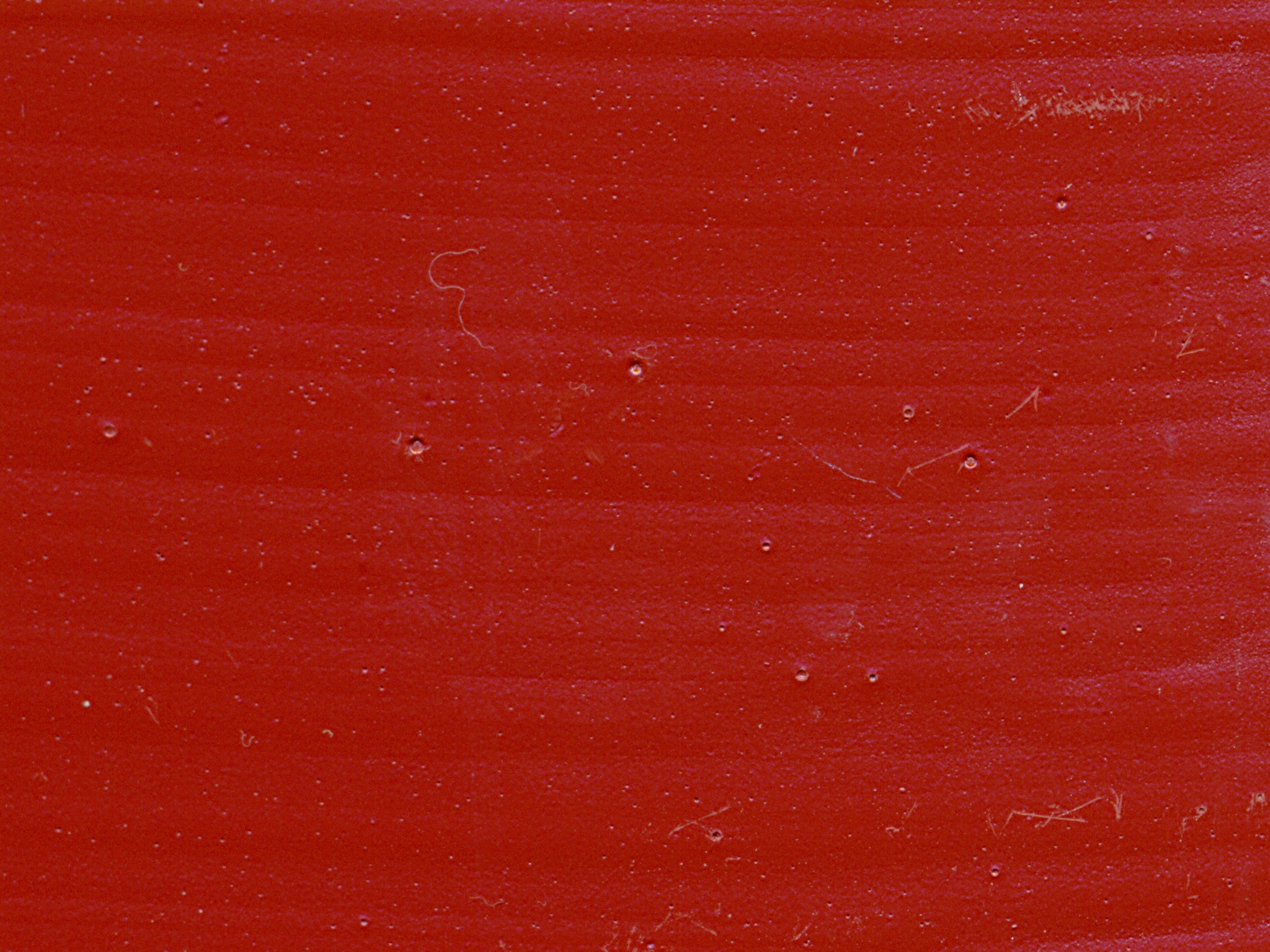
- Craters, fisheyes, and pinholes are frequently linked to contamination, spray technique, or coatings applied to porous substrates. Pinholes can be difficult to detect visually while still allowing moisture to reach the substrate.
- Runs, sags, and wrinkling are typically associated with excessive applied material, improper thinning, or curing issues and are often visible shortly after application.
Careful documentation of these visual characteristics is a critical first step in any investigation.
Investigation and Testing: Confirming Root Causes
Coating evaluations typically begin with a visual assessment to develop a working hypothesis based on observed distress, exposure conditions, and construction history. Targeted testing is then used to confirm or refine conclusions based on field and laboratory research.
Commonly used investigation tools include:
- Dry film thickness gauges to assess overall coating thickness on metallic substrates
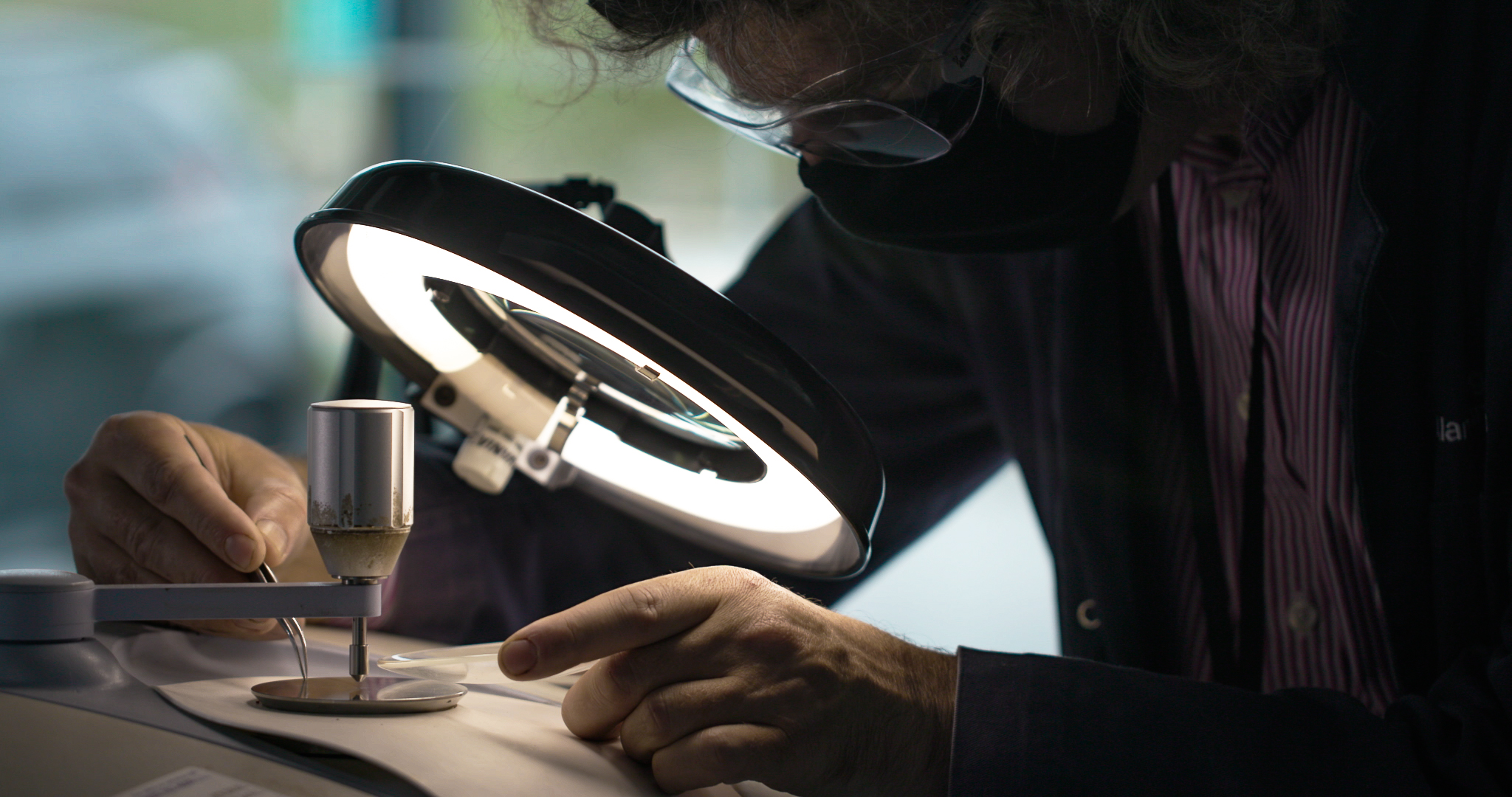
- Paint inspection microscopes (Tooke gauges) to evaluate individual coating layers through destructive sectioning
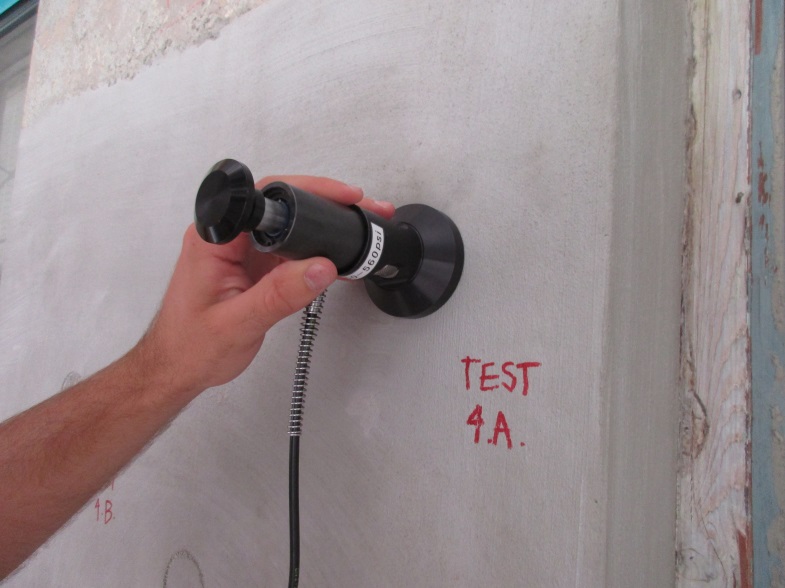
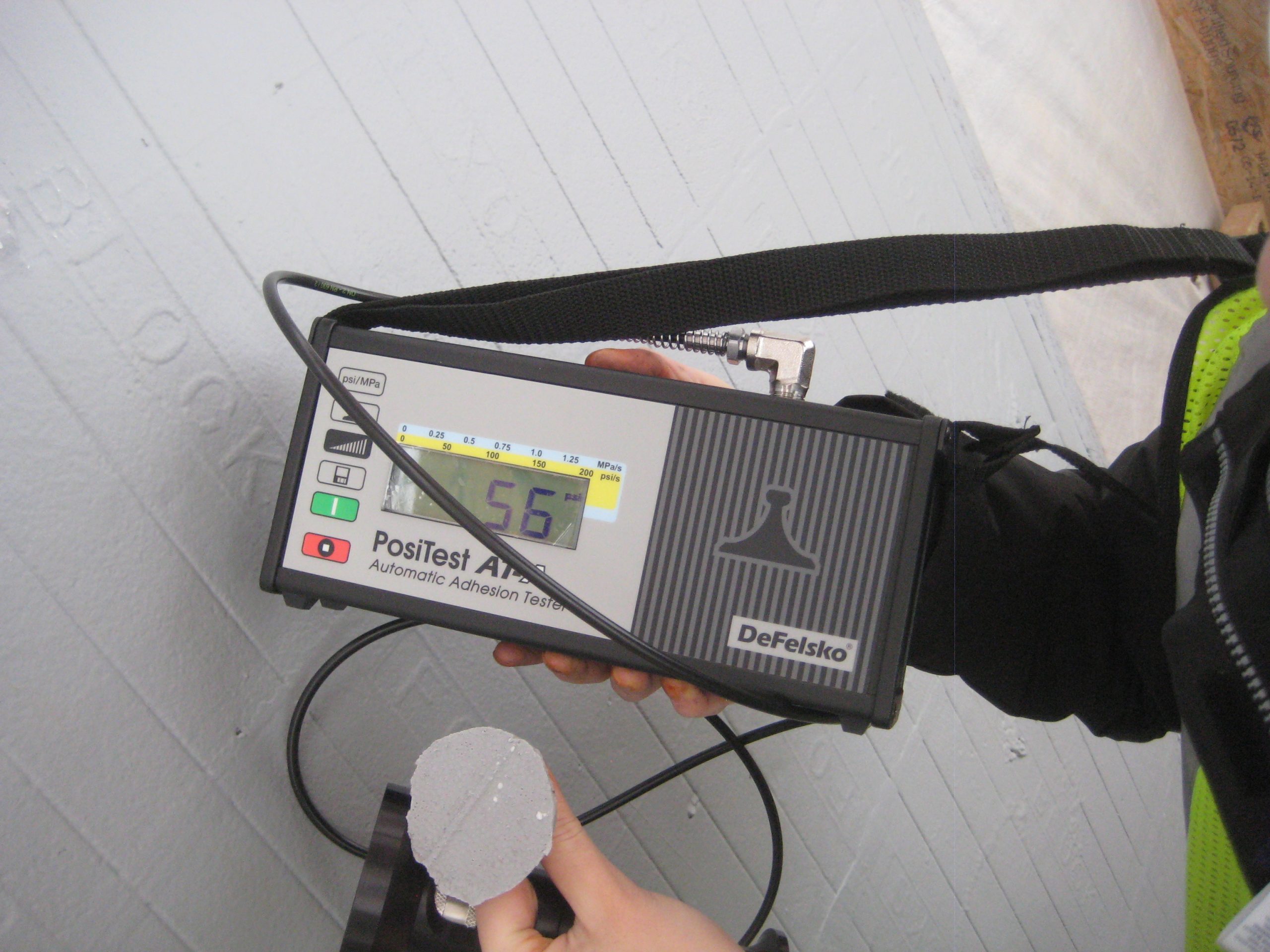
- Adhesion testing to distinguish between failures at the substrate interface, between coating layers, or within a coating film
- Fourier transform infrared spectroscopy (FTIR) to identify coating chemistry, detect contaminants, and compare failed and intact samples
- Surface profile measurements to determine if the substrate has adequate profile for coating adhesion
- Salt contamination testing to determine if the substrate was sufficiently cleaned to remove contamination
Key Takeaways for Project Teams
Across a wide range of investigation projects, several consistent themes emerge:
- Coating systems should be selected with a clear understanding of substrate, exposure, and performance requirements.
- Surface preparation is frequently the most critical variable influencing long-term performance.
- Failure appearance provides valuable insight and helps guide effective investigation.
- Testing is most effective when used to support sound engineering judgment, not replace it.
While coatings are sometimes treated as a finishing scope, they function as a primary durability system. A thoughtful, integrated approach to selection, application, and investigation can help project teams manage risk, extend service life, and make informed decisions when coating performance does not meet expectations.