Stopping Corrosion in Its Tracks: How Cathodic Protection Extends Infrastructure Service Life
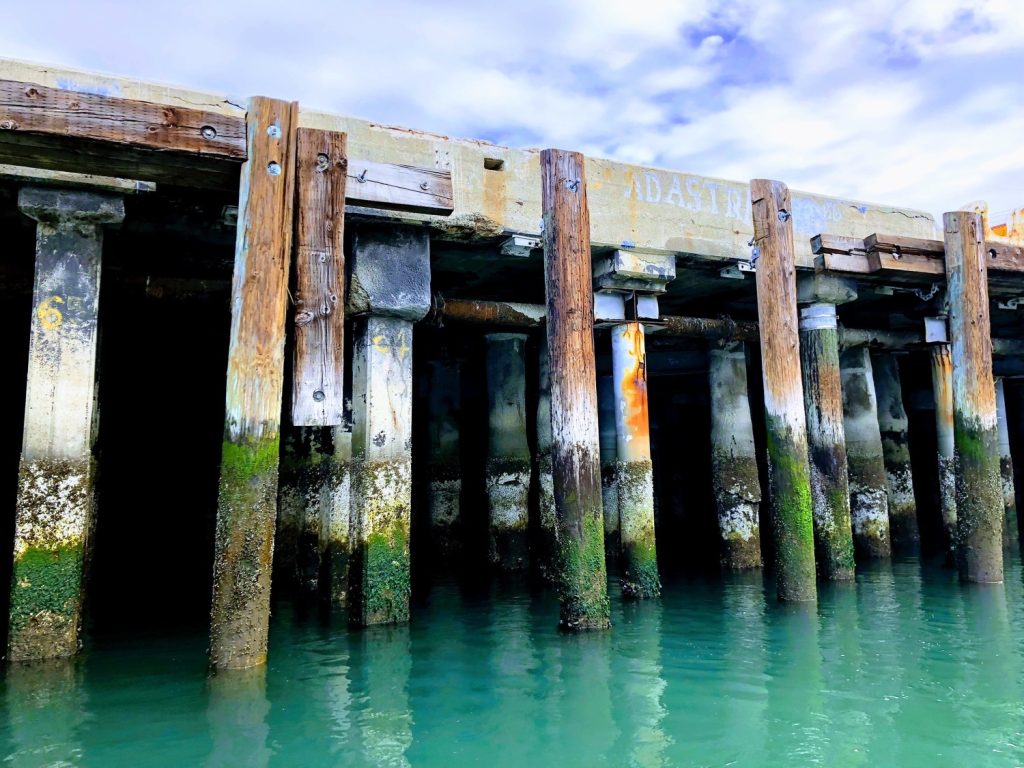
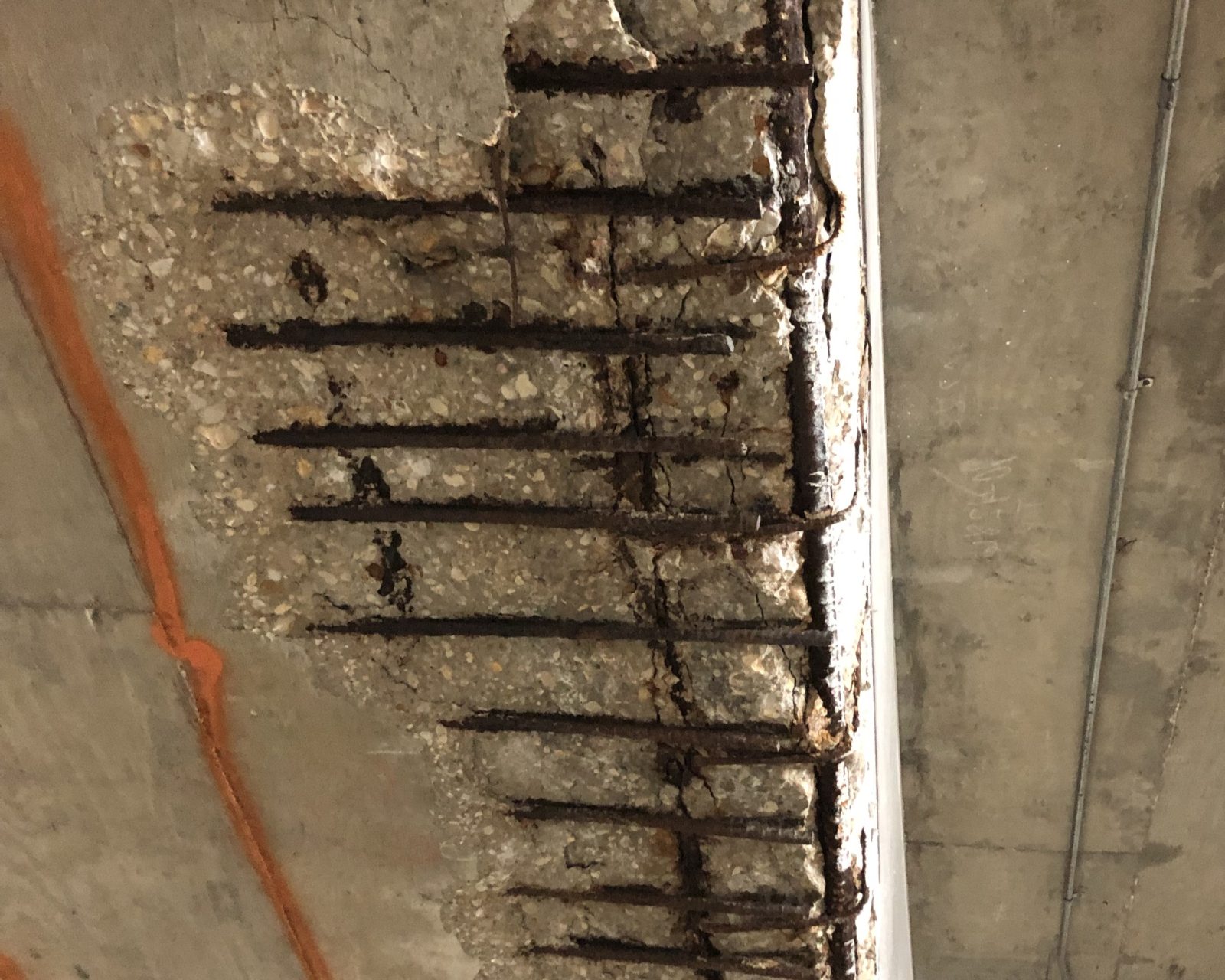
Corrosion is one of the most persistent—and costly—challenges facing today’s infrastructure. Left unaddressed, it can lead to reduced service life, increasing repair demands, and, in many cases, premature replacement. This is especially prominent as we ask more of our structures than ever before: longer service lives, increased load demands, deferring maintenance, and increasingly aggressive environments.
In practice, it is important to understand not just why corrosion is occurring, but how to select the right mitigation strategy to manage it over the life of a structure. The good news is that there is a range of effective tools available, including material selection, coatings, and cathodic protection to manage corrosion, and thereby extend a structure’s life and reduce its overall life cycle and maintenance costs.
Cathodic protection is an especially robust approach, as it can directly stop ongoing corrosion or prevent it from occurring in the first place by applying an electrical current to the steel. This is in contrast to coating applications or other barrier approaches, which don’t prevent corrosion but merely act as barriers to keep aggressive environmental constituents away from the metal surface. Barrier approaches can be hard to maintain over the life of a structure and are substantially burdensome to apply once contaminants have already reached the metal surface. However, cathodic protection’s ability to both prevent future corrosion and stop existing corrosion makes it a highly versatile tool for rehabilitating and extending the service life of existing infrastructure.
This topic brief provides insights for owners, asset managers, and engineers into how cathodic protection works and shares key considerations for future projects
The Basics of Corrosion
When people think about corrosion, they tend to think of rust. However, rust is just the visible result of a larger electrochemical process happening in real time.
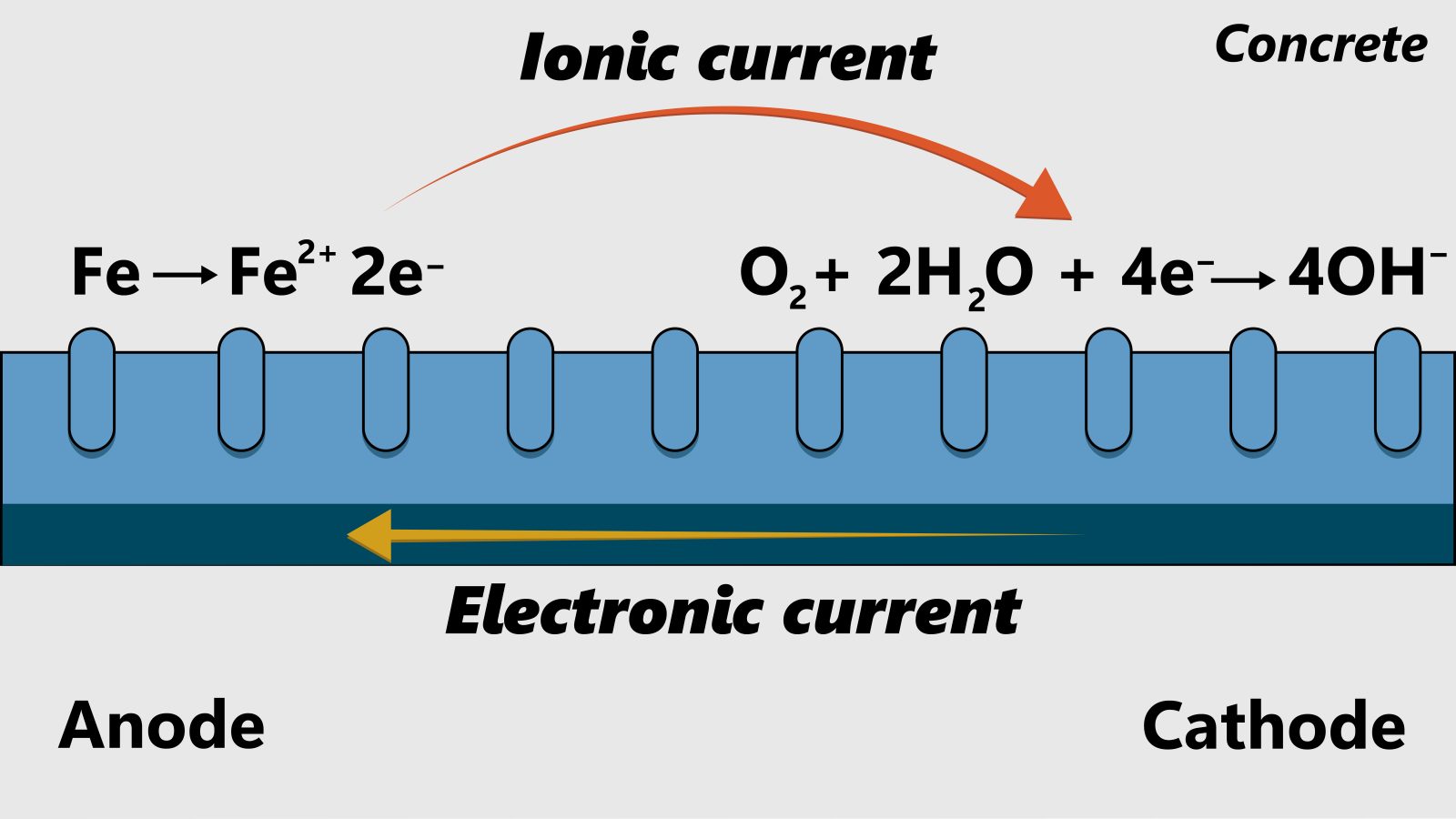
Corrosion is an electrochemical reaction between the anode and the cathode on a steel surface. The anode is the location where metal loses electrons, resulting in mass loss and oxide formation, such as iron oxide (rust). Those freed electrons are then consumed at the cathodic site, where no mass loss occurs. For the corrosion reaction to happen, you need a few key ingredients:
- Oxygen
- A moist, conductive electrolyte between the anode and cathode (such as concrete, soil, or water)
- And a direct metallic path between the anode and cathode
When those components are present under the right environmental conditions, such as exposure to chlorides or other aggressive environments, they form a circuit, allowing corrosion to occur.
Corrosion Mitigation Approaches
At a high level, there are four primary ways to deal with corrosion: selecting a material that will not corrode under the operational conditions, increasing the structure’s robustness to accommodate anticipated section loss due to corrosion, building a barrier to keep the corrosive environmental constituents away, or applying electrochemical treatments to overcome the corrosion reaction. Each of these approaches has its advantages and disadvantages, and has specific situations in which they can effectively manage corrosion.
- Non-corrosive materials: Select a material that will not corrode under the exposure conditions, such as using 316 stainless steel or composite materials, as appropriate. This can be an effective option for new structures, but in repair and rehabilitation projects, it is difficult to replace existing materials with non-corrosive ones.
- Structure robustness: Often in marine environments, structures are expected to corrode to some degree, and the structure is designed with sufficient extra capacity to accommodate an anticipated amount of corrosion. For example, steel sheet pile bulkheads often have a sacrificial thickness built into the design. This can often be a very inefficient approach, just buying extra material to corrode away.
- Barriers: Use coatings and sealers to prevent aggressive environmental constituents such as chlorides, moisture, and oxygen from reaching the steel surface to cause corrosion. They are effective when selected at the right time in the structure’s service life and under the right conditions; however, once contamination enters the system, they do little to prevent corrosion.
- Electrochemical treatments: Mitigate corrosion by interrupting the electrochemical process itself through cathodic protection. The ability to stop active corrosion is a critical distinction when dealing with existing structures. Cathodic protection can be applied to actively prevent or stop corrosion, making it a much more versatile option in repair and rehabilitation projects.
What Is Cathodic Protection?
At its core, cathodic protection works by changing the electrical conditions on the steel. Cathodic protection applies an electrical current to a structure to polarize its cathode locations to the potential of its anodes. In a corroding structure, you have small anodic and cathodic regions distributed across the surface of the steel. Cathodic protection shifts the potential of the entire system so that the differences between anodic and cathodic sites are reduced. Once there is no potential (voltage) difference on the steel surface, there is no corrosion current flow, therefore corrosion ceases. Cathodic protection turns the steel into one large cathode.
Primary Approaches for Cathodic Protection
There are two main approaches to cathodic protection: galvanic and impressed current systems. Both have their advantages and disadvantages—selecting between these approaches is less about which is “better” and more about matching the system to the structure, environment, and long-term performance goals.
Galvanic Cathodic Protection
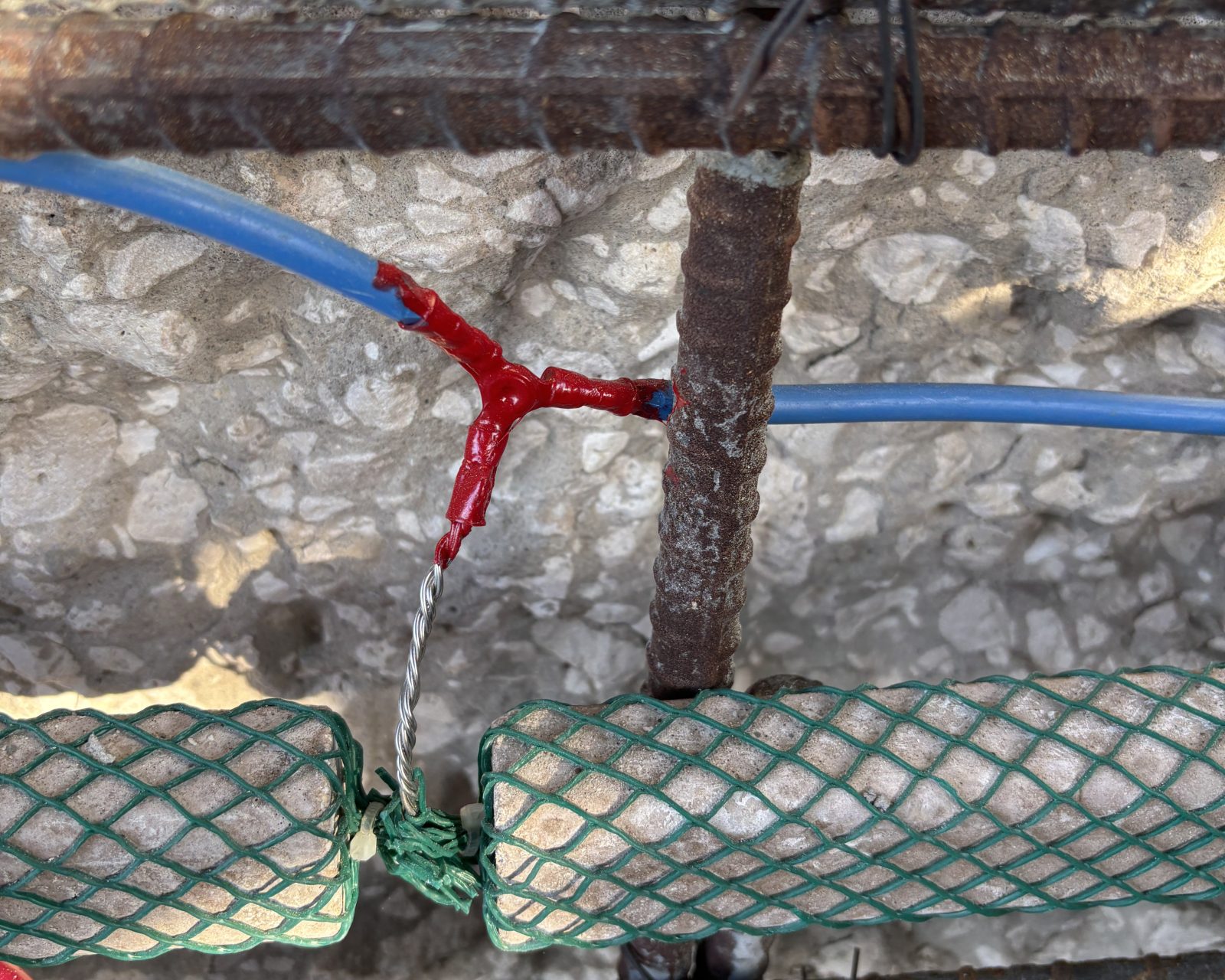
Galvanic cathodic protection uses a sacrificial metal—commonly zinc, aluminum, or magnesium—that is less noble than the metal it protects. These galvanic metals become the anode and corrode rather than the structure they’re protecting.
Advantages:
- There is no external power source required, reducing monitoring and maintenance requirements.
- It can be installed through a direct connection to the structure, which can make it more durable over its service life. External wiring can be a weak point in a cathodic protection system.
- Installation is generally straightforward and can be performed by more contractors.
- Galvanic systems can easily be suited for targeted repairs or smaller-scale protection strategies.
Disadvantages:
- The galvanic system’s current is based on the anode metal potential, which is fixed, so in a highly resistive electrolyte, the current output may be limited.
- Anodes can be physically large, so installation can be difficult in small or restricted areas.
- Depending on the anode type utilized and the intended structure service life, anode replacement may be necessary to continue protection.
- Protecting large structures or those in highly aggressive environments may require more galvanic material and careful design considerations.
Impressed Current Cathodic Protection
Impressed current cathodic protection (ICCP) uses an external power source to supply current to the structure rather than relying on sacrificial metals. External power sources allow engineers to control the delivered current and adjust it over time.
Advantages:
- External power sources allow for more control; the output current can be adjusted to adequate levels to ensure corrosion is mitigated during changes in environmental exposure conditions.
- ICCP anodes are typically smaller than galvanic anodes and can produce higher currents, making them much more economical in terms of size.
- ICCP anodes can sustain current flow for a long time.
Disadvantages:
- ICCP systems require regular monitoring and maintenance to maintain operation.
- External wiring and power supplies can be weak points in the durability of the system and often require repair or replacement several times over the design service life of the anodes.
- ICCP systems require a higher level of QA/QC during installation to ensure they operate correctly.
- Uniform current distribution can be more difficult, and current dumping can create acidification issues if not designed properly.
- Hydrogen embrittlement is an issue for high-strength steels like structures employing pre- and post-tensioning.
Hybrid Systems
There have been recent developments in which projects utilize hybrid systems that combine galvanic and ICCP systems to protect a structure. Examples include using galvanic anodes at specific locations on a structure protected by ICCP to supplement areas of poor current distribution, helping ensure the entire structure is cathodically protected. Other approaches use a hybrid system to reduce monitoring requirements while still providing enhanced, longer-term performance. Depending on the hybrid approach and materials, the advantages and disadvantages will vary.
Designing Cathodic Protection Systems
Cathodic protection requires thoughtful design and, in many cases, ongoing oversight. It is not a plug-and-play solution, and its effectiveness depends heavily on proper design, monitoring, and maintenance.
Design fundamentals include:
- Steel surface area: The area of steel being protected by the cathodic protection system is one of the primary design considerations. Having an accurate account of the steel surface area is paramount for sizing the anodes and understanding the total required current. Coatings and other barriers can have a big impact on this calculation.
- Electrical continuity: All reinforcement or steel elements intended to be protected from corrosion must be electrically connected. If part of the structure is isolated, it won’t be protected by the cathodic protection system, or in a worst-case scenario, isolated steel may be subjected to accelerated deterioration due to stray current. In discontinuous situations, electrical bonding or isolation shielding may be required.
- Current demand: Designers must determine how much current per unit area of steel is required to overcome the corrosion reaction. In aggressive environments, this may be a substantial amount. For example, the current density required to mitigate steel pile corrosion in a marine environment is much greater than that for concrete reinforcement subjected to carbonation-induced corrosion. Knowing the corrosion mechanisms and environmental conditions is critical in determining the required current density to stop corrosion.
- Presence of an electrolyte: Cathodic protection only works where current can flow through concrete, soil, or water. It does not work in dry, electrically isolated conditions. For example, steel structures in the air cannot be protected by cathodic protection.
- Electrolyte resistivity: The resistivity of an electrolyte will affect the current flow. Cathodic protection designs for structures in saltwater differ markedly from those for a pipeline in Colorado because the surrounding electrolytes have very different resistivities.
- Avoiding overprotection: More current is not always better. Excessive polarization can lead to several issues, including coating debondment or hydrogen embrittlement in high-strength steel.
- Voltage drop: Understanding the cathodic protection system’s voltage drop and attenuation is critical to determine the amount of current the system is actually delivering to the structure
Possible Applications
There are many applications for cathodic protection, but here are some unique approaches that show how versatile it can be and how it can be tailored to the right application with proper engineering.
- Preemptive corrosion mitigation: Galvanic systems have been shown to be very effective at targeted preemptive corrosion mitigation. Areas of a structure that are predisposed to corrosion or are showing early signs of corrosion can use galvanic cathodic protection to prevent corrosion before it creates physical damage. The ability to target the protection makes it a very cost-effective preservation solution.
- Tidal/splash zone jackets: Both galvanic and ICCP jackets for piles in the tidal/splash zone of a structure have been highly effective. The tidal/splash zone is one of the most corrosive environments due to repeated wet-and-dry cycles. This is also a difficult area to protect because tidal fluctuations change the water level (i.e., the electrolyte), which affects the distribution of cathodic protection current. Using a jacket around the pile, with cathodic protection inside the jacket, provides a constant electrolyte that mitigates corrosion in this zone.
- Steel frame masonry: Discreet ICCP anodes are well-suited for corrosion mitigation in steel frame masonry structures. Because of limited space for installing anodes, higher-resistance masonry, and aesthetic considerations, ICCP anodes have proven very effective for these kinds of structures by placing small anodes in masonry joints. This provides effective protection for the steel frame without damaging the sensitive masonry.
Key Takeaways
There isn’t a single “right” cathodic protection system. The best approach depends on the specific conditions present, including:
- Environmental exposure conditions
- Size and configuration of the structure
- Level of deterioration
- Desired service life
- Maintenance and monitoring capabilities
In some cases, a low-maintenance galvanic system is the right choice. In others, it could be an ICCP system that provides better long-term value, despite the need for monitoring. The key is understanding the tradeoffs and aligning the system with project goals. This is where experience matters—understanding how systems perform in the field over time is critical to selecting an approach that delivers long-term value, not just short-term results.
Corrosion is inevitable, but structural deterioration doesn’t have to be. By addressing corrosion as an electrochemical process—and by using tools like cathodic protection appropriately—owners can extend service life, reduce lifecycle costs, and avoid premature replacement.