The Beautiful Machine: Architecture and Technology in Museum Design
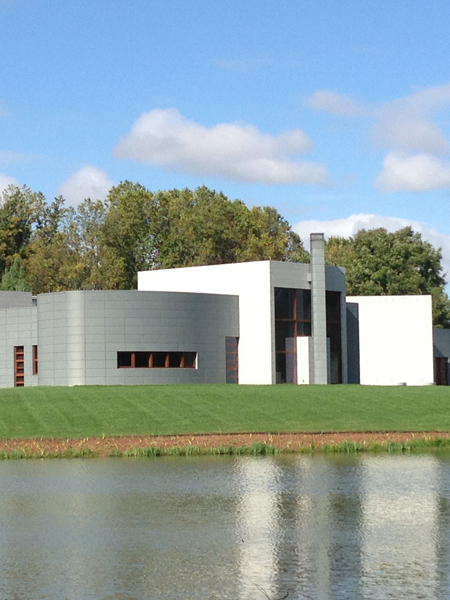
Much of our cultural heritage is preserved and showcased in museum buildings. These critical spaces must do many things: serve as enduring outward symbols of their mission; provide an engaging and memorable experience for visitors and an effective working environment for staff; fit into their surrounding historical and cultural context; and provide safe, secure, and environmentally appropriate conditions for their contents. In the very best buildings, these competing demands are balanced in creative ways, either through resourceful new design or creative adaptation and thoughtful rehabilitation of existing buildings.
Using examples from their extensive portfolio of new design and rehabilitation work—including the National Air and Space Museum, Yale University’s Sterling Memorial Library, the Glenstone Museum, the Corning Museum of Glass, and the Museum of Modern Art in Warsaw—our webinar presenters will explore trends and design practices in new buildings and rehabilitation work. In particular, we will cover the aesthetic expectations for cultural projects and the extended life-cycle performance requirements for public-realm buildings. We will discuss balancing architectural design excellence, aesthetic innovation, and unique programming with museum-specific interior conditions like temperature, relative humidity, and mechanical pressure control. We will also share effective engineering analyses used during existing conditions assessments and offer best practices for enclosure design.
LEARNING OBJECTIVES
After attending this webinar, participants will be able to:
- Appreciate architectural and programming trends in new museum design.
- Identify how effective architectural design accentuates and empowers museum programming and mission.
- Recognize aesthetic and technical enclosure design challenges related to museum programming in new design and historic rehabilitation work.
- Understand effective enclosure design approaches to resolve these challenges.
Participants will earn 1 AIA CES Learning Unit (LU/HSW) for attending the seminar. Registration is free. Please note that space is limited – email events@sgh.com to join our waitlist if the session is closed when you register.
About the Speaker
Gabriel Smith Architecture
Gabriel Smith is a New York City-based architect with experience in the U.S., U.K., Europe, and South America. With over one million square feet of built works in the public realm, he has focused on complex projects for cultural, education, commercial, and government clients. He holds degrees in architecture from Harvard and Tulane. In 2015, he was elected to the American Institute of Architects College of Fellows for his contributions as a designer. He is a LEED AP with completed Net Zero Carbon and LEED Platinum projects.
Niklas Vigener has led many of Simpson Gumpertz & Heger’s most notable building technology and historic preservation projects, and has a particular interest in rehabilitating historic buildings to incorporate high-performance building enclosures. He was trained as a structural engineer and specializes in projects investigating and rehabilitating institutional masonry buildings. Nik has also held adjunct engineering faculty positions and has lectured widely on technical and leadership topics.
 View All Events