Understanding Coating Failures and Investigation Methods
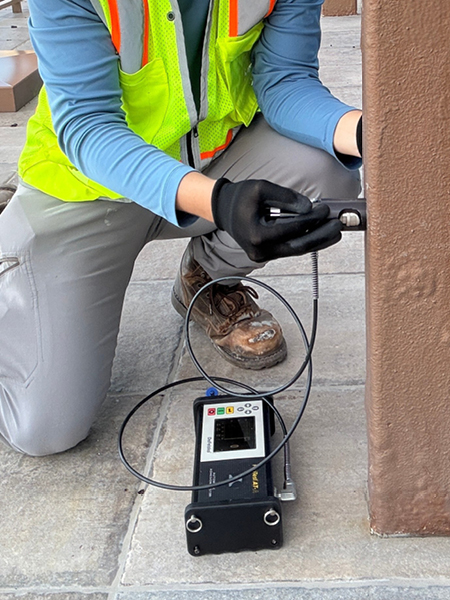
Coating systems serve as a key defense against corrosion and environmental degradation, making coating failures a major concern in numerous industries. The consequences associated with coating failure can include enormous maintenance costs, significant steel loss, and other risks that can shorten the service life of structures. These failures can occur due to improper surface preparation, contamination, or incomplete inspection practices. It is important to understand what causes coating failures so they can be prevented in the future. In this webinar, we will provide an overview of different kinds of coating failures, such as alligatoring, pinholes, and cracking, and discuss the primary causes of these failures. We will also explore the investigation methods used to identify the primary cause of coating failure, such as dry film thickness measurements and soluble salt testing.
LEARNING OBJECTIVES
After attending this webinar, participants will be able to:
- Understand the importance of proper coating application and coating inspection.
- Identify different types of coating failures and what may cause them.
- Recognize different types of inspection equipment and what they are used for.
- Discuss how a proper coating failure investigation can identify the underlying cause of different kinds of coating failures.
Participants will earn 1 AIA CES Learning Unit (LU/HSW) for attending the seminar. Registration is free. Please note that space is limited – email events@sgh.com to join our waitlist if the session is closed when you register.
About the Speaker

Luke Longhofer has extensive expertise with a vast array of coatings, including laboratory testing of corrosion to determine the effectiveness of reinforcement coatings. He is also skilled in using coating inspection equipment. In addition, Luke has a deep understanding of various non-destructive testing methods, including impact echo, corrosion potential, and ground-penetrating radar, among others. He is an AMPP Certified Cathodic Protection Technologist and AMPP Certified Coatings Inspector.
 View All Events