Queens, NY
John F. Kennedy International Airport, Terminal 1
Scope/Solutions
As part of a larger effort to create a contemporary global gateway, the new Terminal 1 at John F. Kennedy International Airport increases capacity with twenty-three new gates, incorporates sustainability initiatives, and elevates the travelers’ experience with modern amenities. SGH consulted on the fire life safety design for the first phase of the project, including fifteen gates and covering approximately 1.8 million sq ft over three levels.
SGH consulted on the fire life safety design, developing strategies for the terminal and concourse, as well as the AirTrain that runs through the facility. Highlights of our work include:
- Reviewing egress/life safety drawings and design drawings for code compliance
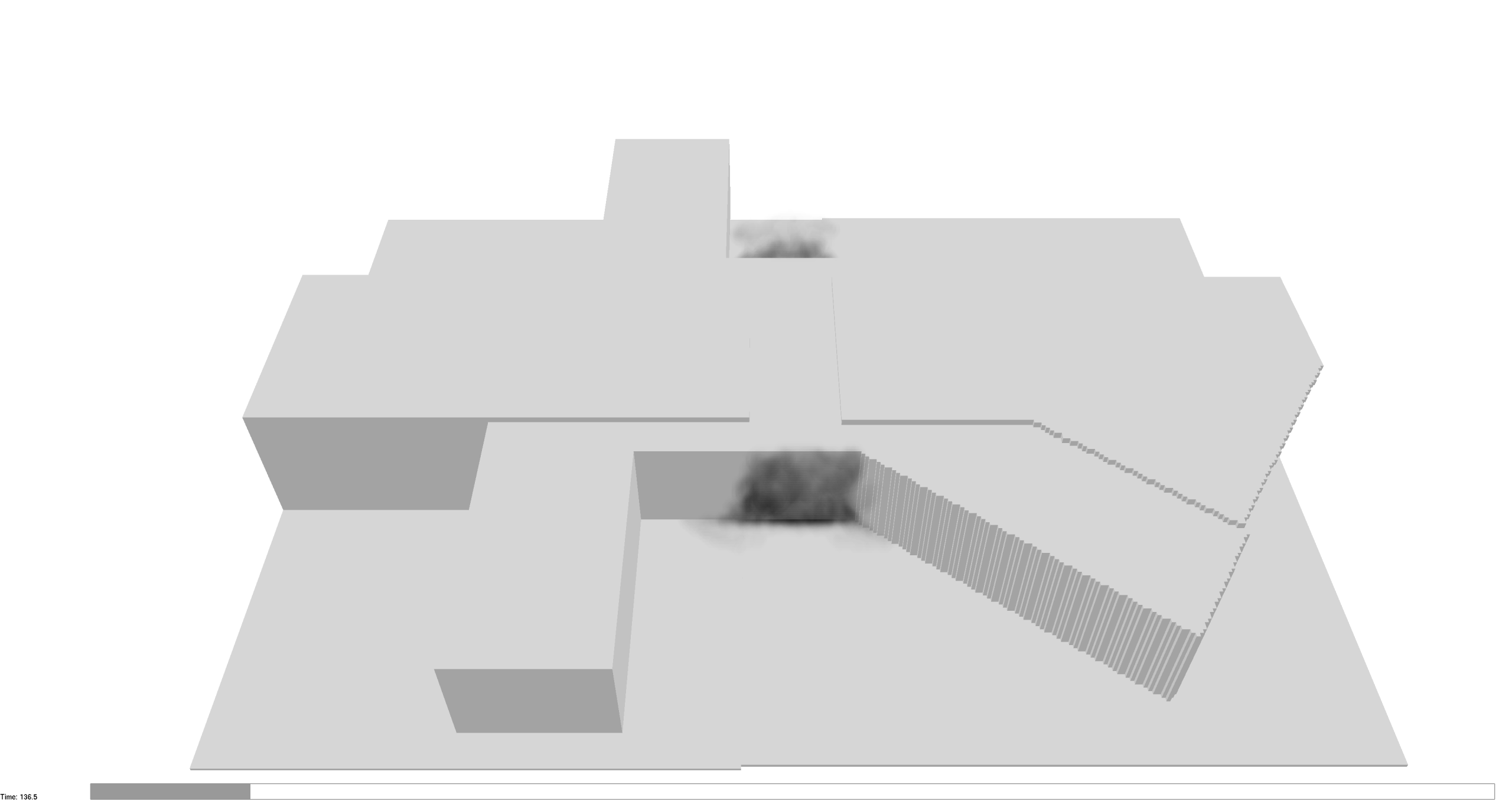
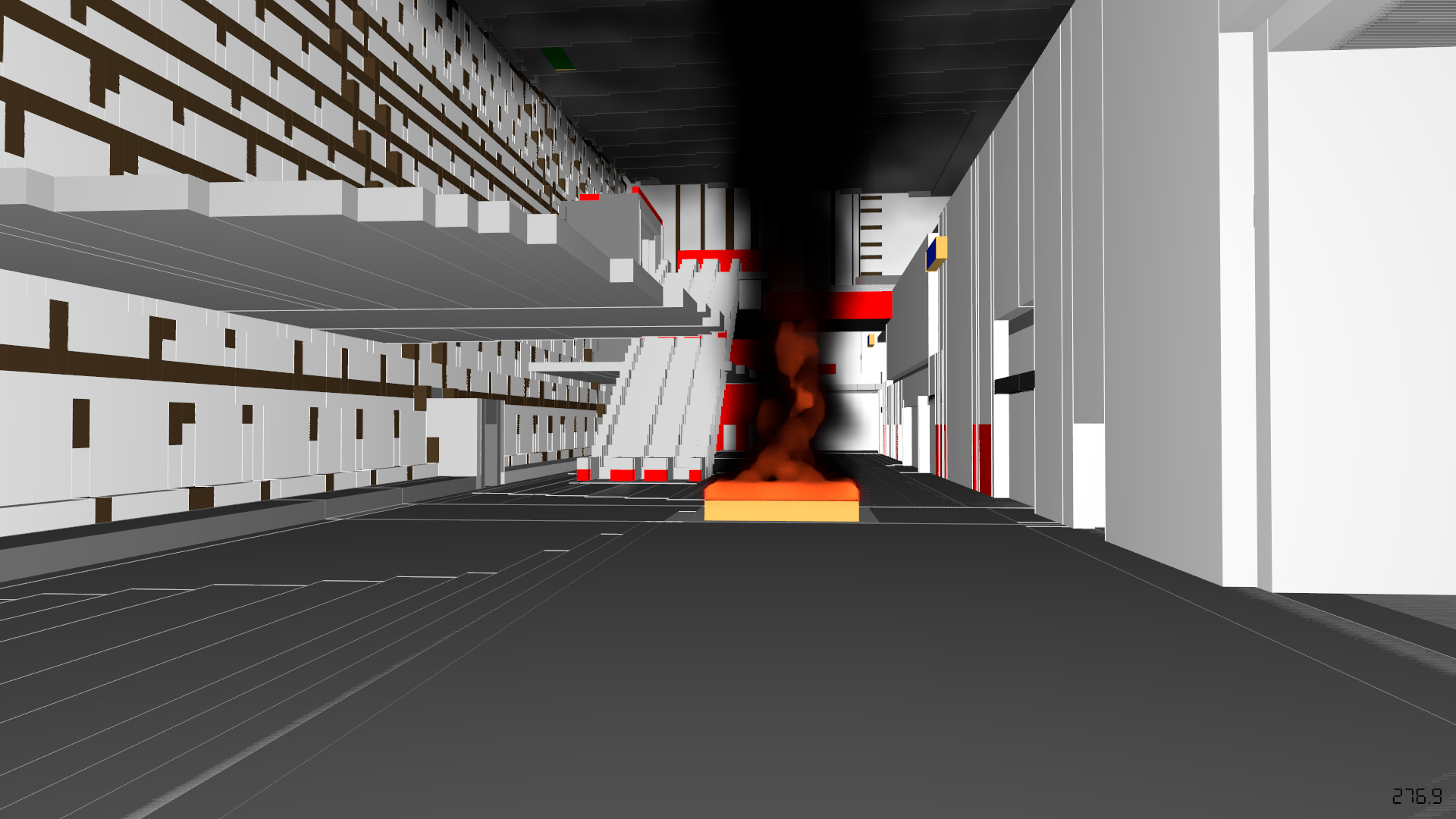
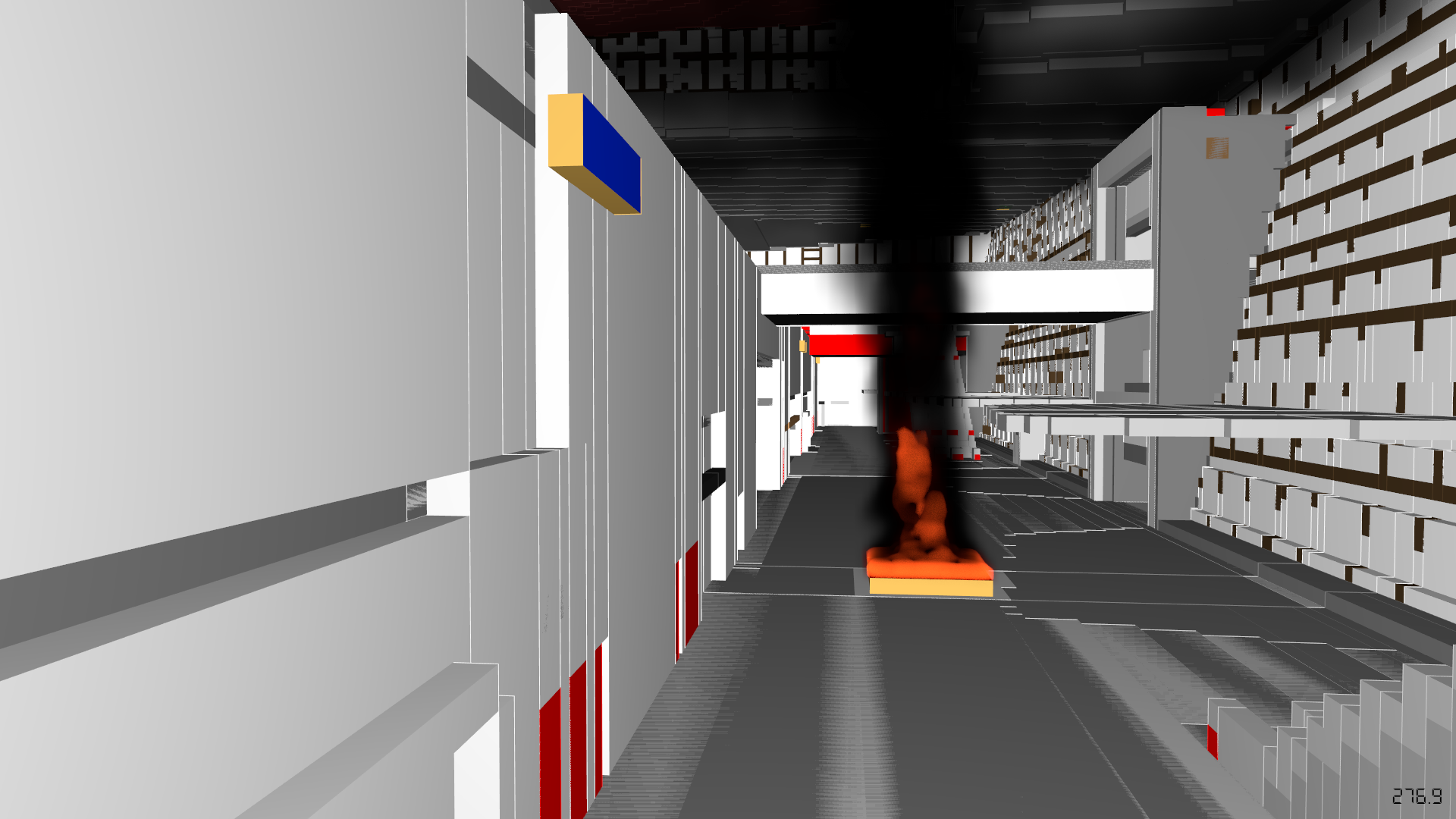
- Performing computational fluid dynamics modeling and providing the smoke control rational analysis for the large atrium that connects all the levels in the headhouse and features high ceilings with a central spine of clearstory windows
- Performing egress calculations and the smoke control analysis, including computational fluid dynamics modeling of smoke movement, for the fire-rated tunnel enclosure constructed around the existing AirTrain tracks that remained
- Coordinating with mechanical engineers on the smoke control systems
- Developing solutions for complicated building and fire code issues, such as exit capacity, exit access travel distance, and fire-resistance-rated separations
- Documenting the terminal and AirTrain life safety strategies in a report, which addressed requirements of the NYC Building and Fire Code, Port Authority of New York and New Jersey (PANYNJ) Tenant Construction Review Manual, and NFPA 130 and 502
- Helping the architect navigate challenging approval requirements with PANYNJ

1 of 4
Project Summary

2030 Anticipated
Completion Date

9.5B
Construction Value

2.4M
Project Size
Services
Performance & Code Consulting
Markets
Infrastructure & Transportation
Client(s)
Gensler
Specialized Capabilities
Fire Life Safety & Accessibility
Key team members

David Jacoby
Managing Principal, Engineering Mechanics and Infrastructure, Fire Engineering



Additional Projects
Northeast
Harvard University Science Complex, MWRA Sewer
SGH studied the potential effects of ground displacement that can distort and increase soil loads on buried structures, construction traffic live loads, surface vibrations, and impacts from falling objects.
Northeast
Hultman Aqueduct
Following the completion of the MetroWest Water Supply Tunnel, MWRA was able to dewater a section of the Hultman Aqueduct for the first time since its construction in the late 1930s. SGH conducted a condition inspection of the 1.8 mi long, dewatered section of the aqueduct.