New York, NY
Grand Central Terminal
Scope/Solutions
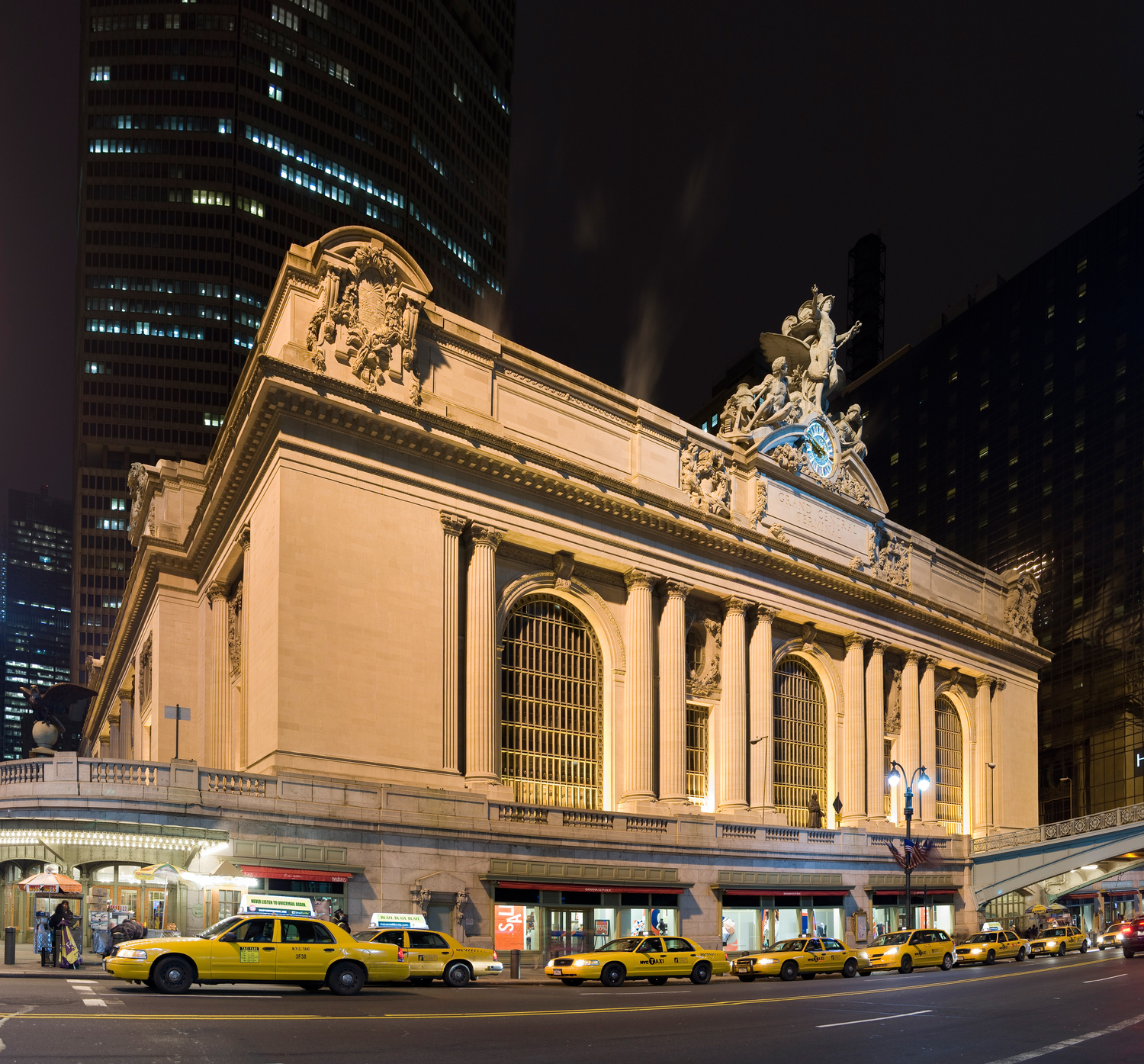
Constructed between 1903 and 1913 and listed on the National Register of Historic Places, Grand Central Terminal is a monumental Beaux-Arts Neoclassical building designed by Warren & Wetmore. As part of a major renovation, SGH investigated roof and skylight leakage and general material degradation.
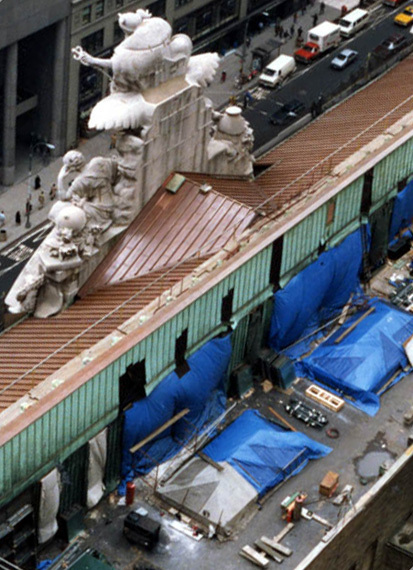
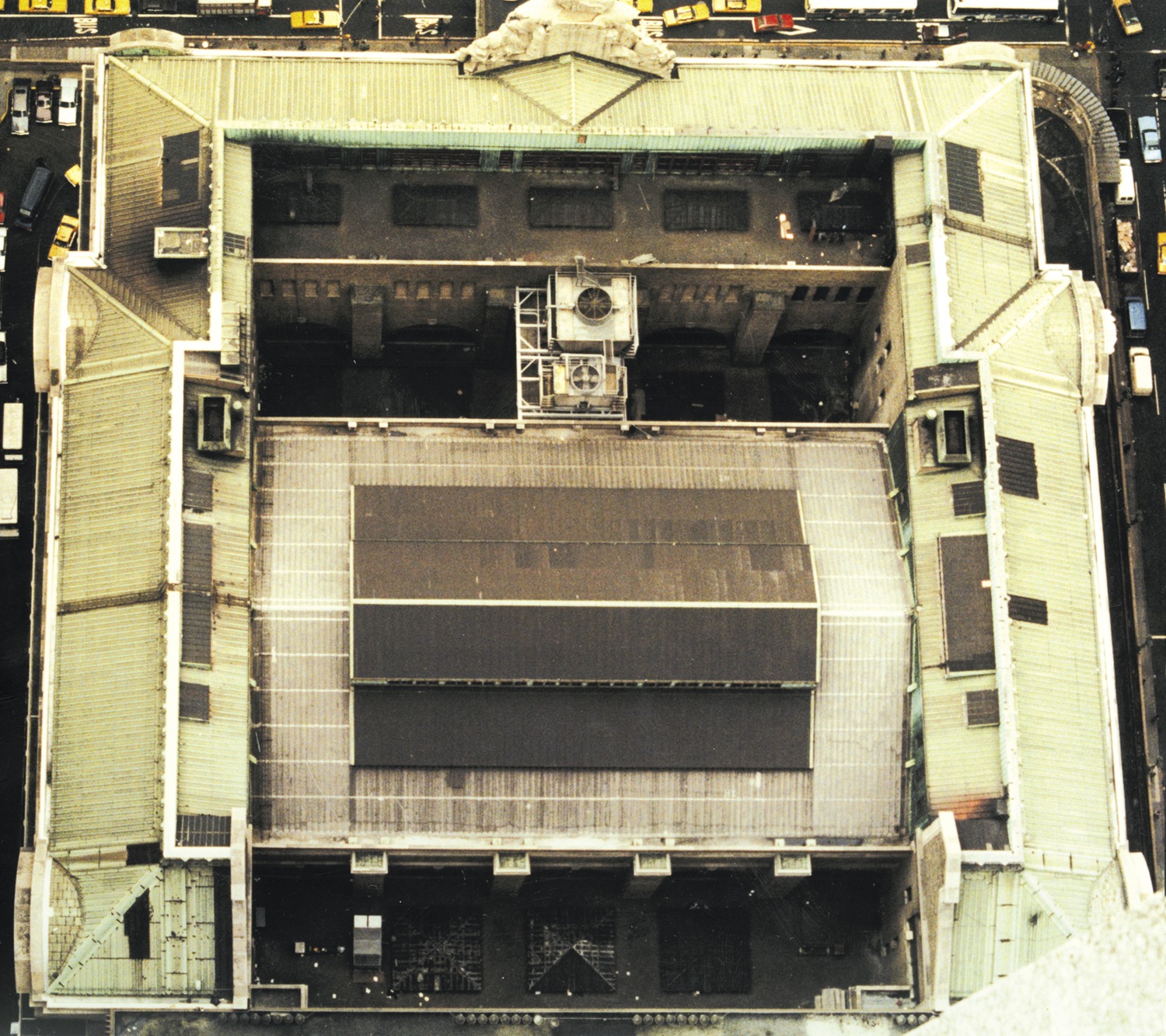
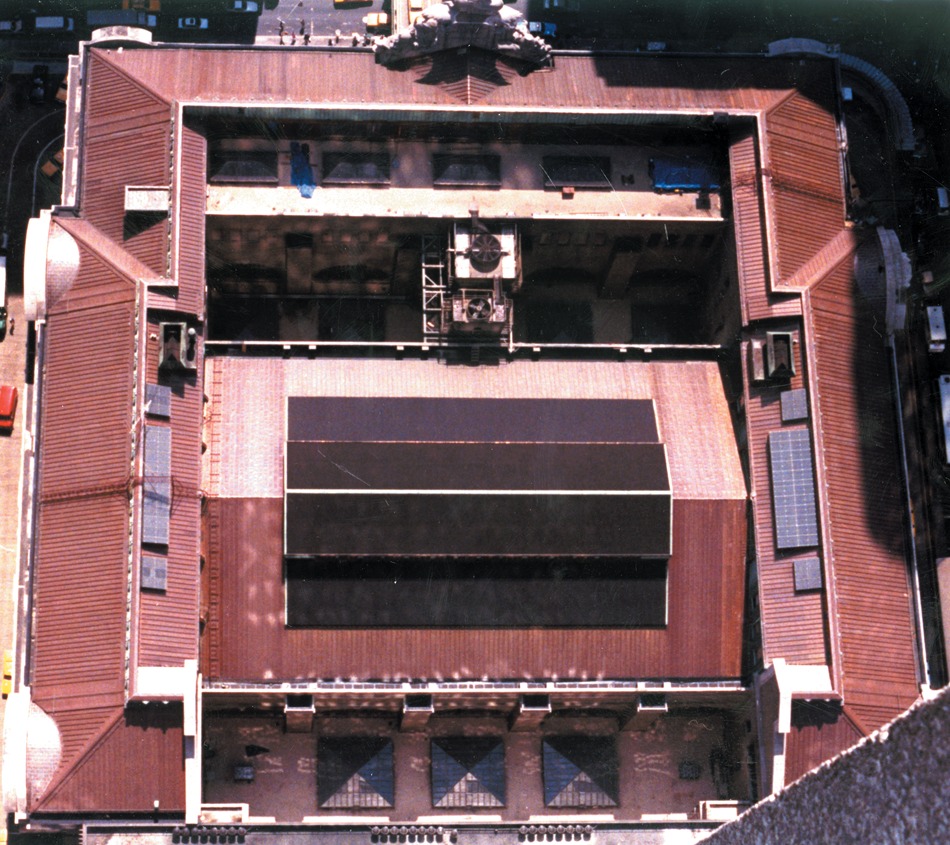
After thorough investigation, including extensive sampling and water testing, SGH developed a rehabilitation program for the roofs and skylights to address:
- Fractured copper roofing as a result of thermal expansion/contraction that was not accommodated by the original design details
- Decades of “mastic” repairs that compromised ornamental copper details
- Broken skylight glass and skylights that were still partially covered with “black-out” building paper, a relic of World War II air raid precautions
We prepared plans and specifications, monitored the construction, and developed quality control inspection procedures for the repairs that included:
- Restoration of the rooftop stamped copper frieze with the installation of a concealed waterproofing membrane inside the copper enclosure to preserve the important ornamental element without sacrificing the building’s watertight integrity
- In-kind replacement of the batten seam copper roofing incorporating proper movement joints to ensure reliable and durable performance
- Replacement of skylight glazing to restore the light transmission of the original skylight, while providing impact resistance, condensation control, and energy efficiency consistent with current standards
1 of 4
Project Summary

1986
Completion Date
Solutions
Repair & Rehabilitation | Preservation
Services
Building Enclosures | Applied Science & Research
Markets
Infrastructure & Transportation
Client(s)
Lee Harris Pomeroy Architects, PC
Specialized Capabilities
Condition Assessments | Preservation | Facades & Glazing | Roofing & Waterproofing | Environmental Simulations
Key team members



Additional Projects
Northeast
StormTech, Inc., Stormwater Chambers
With no design standards available for these structures, StormTech asked SGH to assess the structural performance of the chambers and develop design procedures.
Northeast
Storrow Drive Interchange/Tunnels
Upon discovery of severe spalling of the overhead roof slab and corrosion of the supporting steel beams, the Commonwealth needed a detailed condition survey, structural review, and design of emergency and permanent repairs.