
New York, NY
Four Seasons
Scope/Solutions
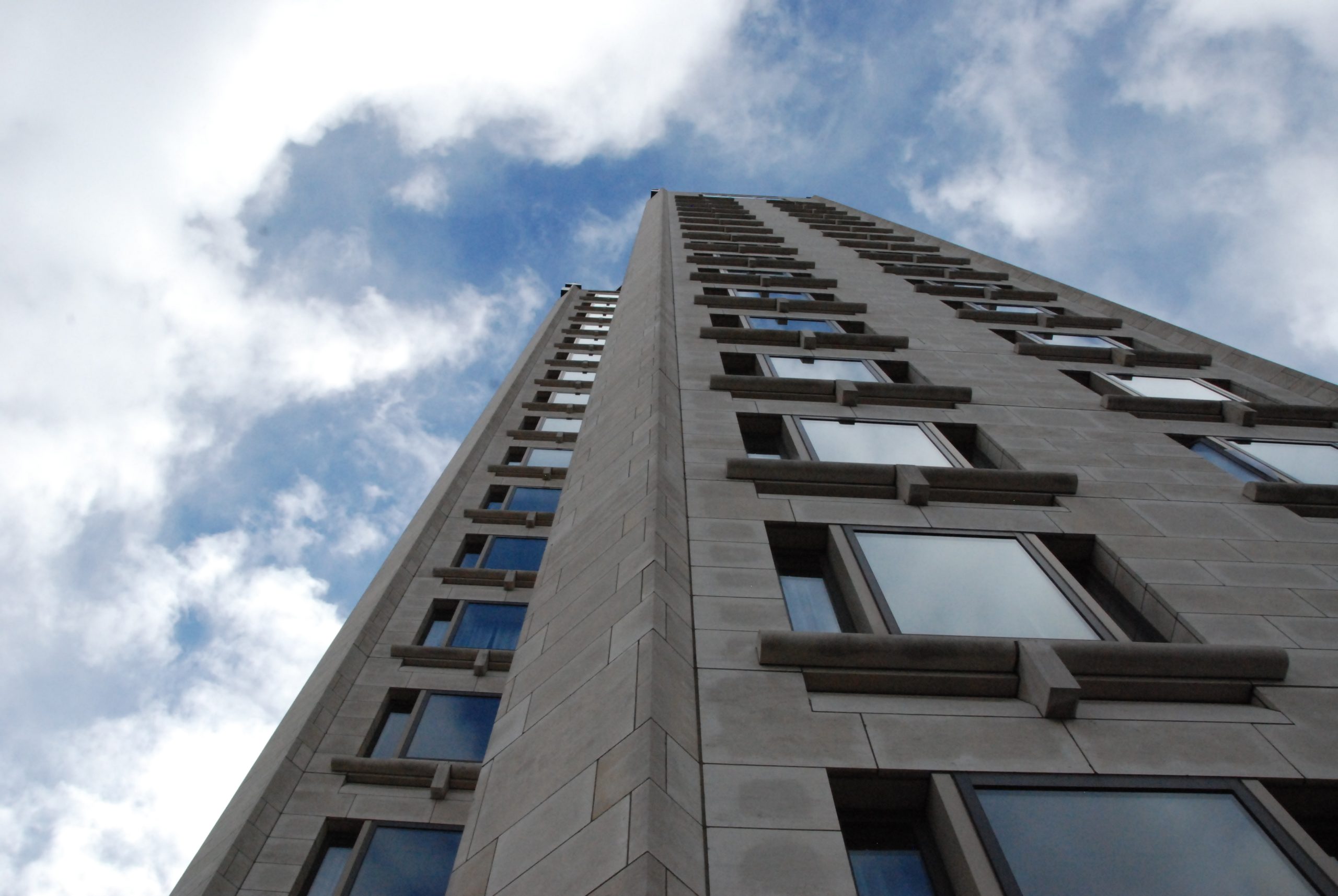
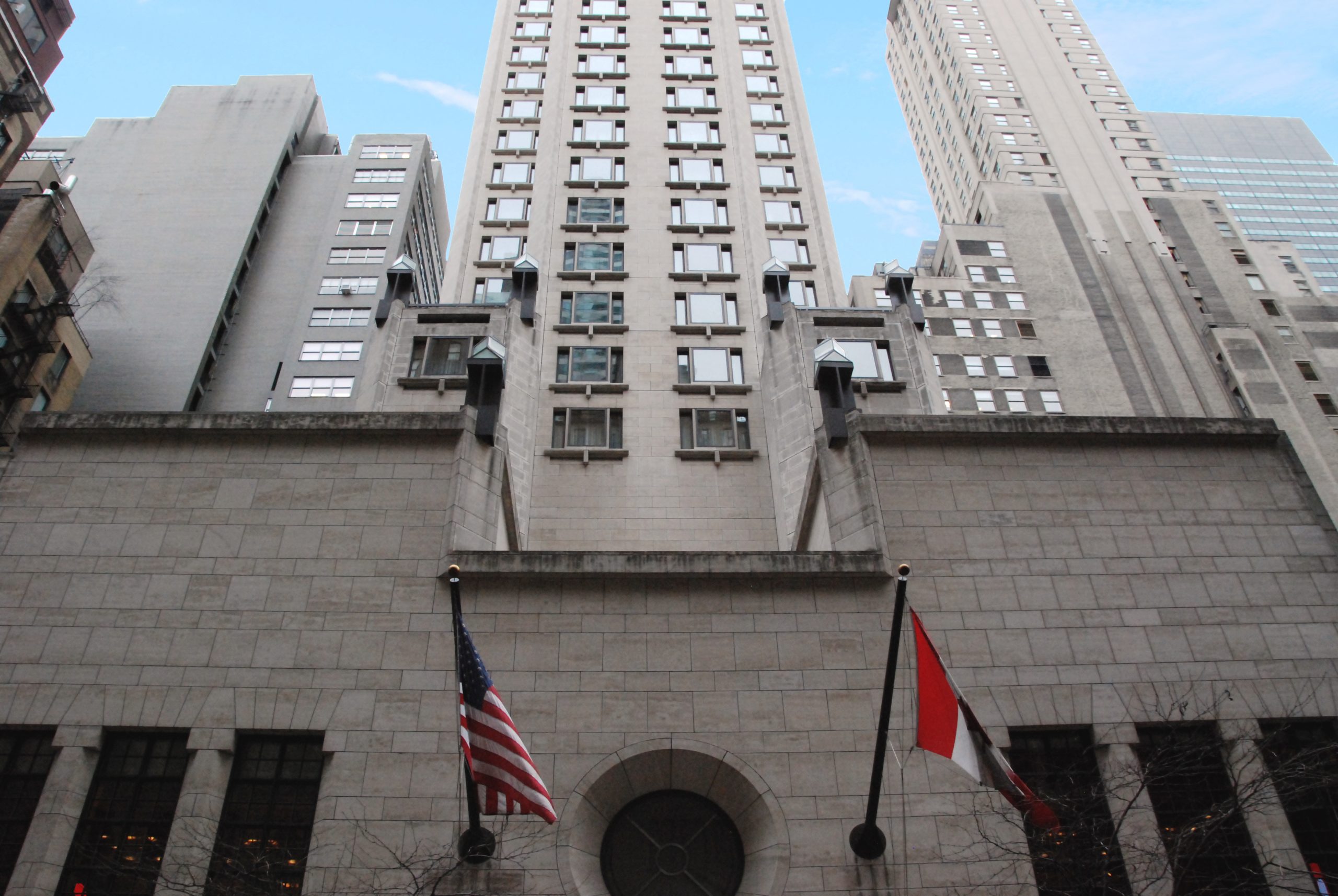
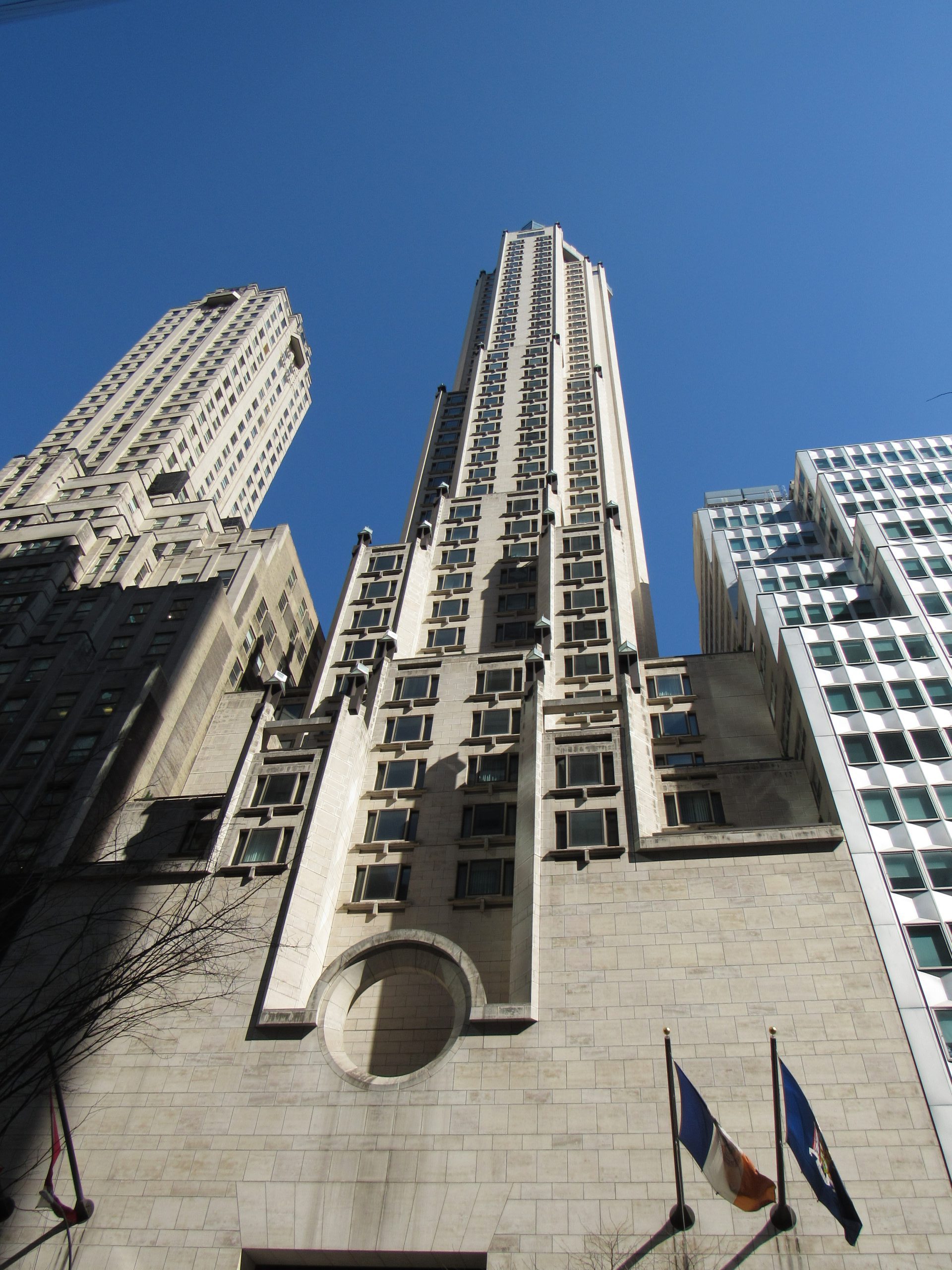
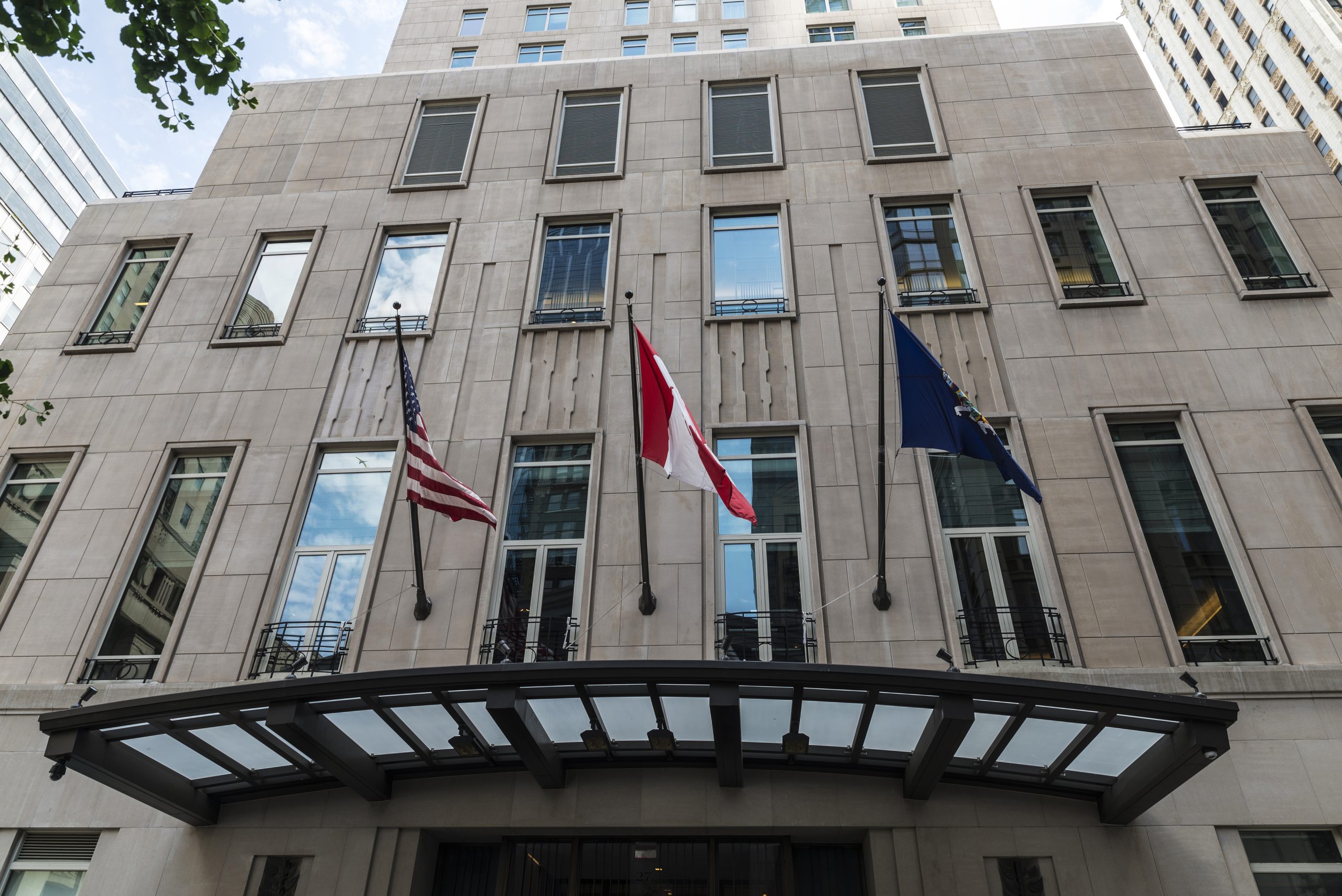
Designed by I.M. Pei & Partners and Frank Williams & Associates, the Four Seasons has 368 guestrooms on 52 floors. The hotel, constructed in 1992, features limestone-clad precast concrete panels; aluminum-framed casement windows at guest rooms; and bronze-framed curtain walls, storefronts, and canopies. The building has multiple setbacks creating terraces with brick- and stone-clad parapets and metal railings. SGH has worked on several building enclosure assessment and repair projects at the hotel.
SGH performed condition assessments, including Facade Inspection & Safety Program examinations as required by the City of New York, and designed repairs for the hotel. Highlights of our work include:
- Visually surveying the existing building enclosure systems, including below-grade spaces, terraces, roofing, and exterior walls
- Performing water testing on windows, doors, terraces, and the roof
- Providing conceptual remedial options to address water leakage at windows and doors
- Designing emergency repairs at terraces and the roof
- Preparing construction documents for facade repairs and providing bid and construction phase services
- Collaborating with the owner and contractor to identify means of accessing the facade while minimizing disruption to hotel operations
Project Summary
Solutions
Repair & Rehabilitation | Preservation
Services
Building Enclosures | Performance & Code Consulting
Markets
Commercial
Client(s)
Ty Warner Hotels and Resorts, LLC | Four Seasons Hotel New York
Specialized Capabilities
Condition Assessments | Preservation | Facade Inspection Ordinances
Key team members
Additional Projects
Northeast
Mercantile Wharf
Adapted in the 1970s, the Mercantile Wharf Building now includes four levels of apartments over ground-floor retail space. SGH completed a condition assessment of the timber-framed and masonry bearing wall structure.
Northeast
Verizon Building
The project architect recommended replacing the deteriorated limestone facade with precast concrete that would maintain the appearance of the building and SGH designed the supports for the new panels.


