Martinez, CA

Fender Replacement

Scope/Solutions

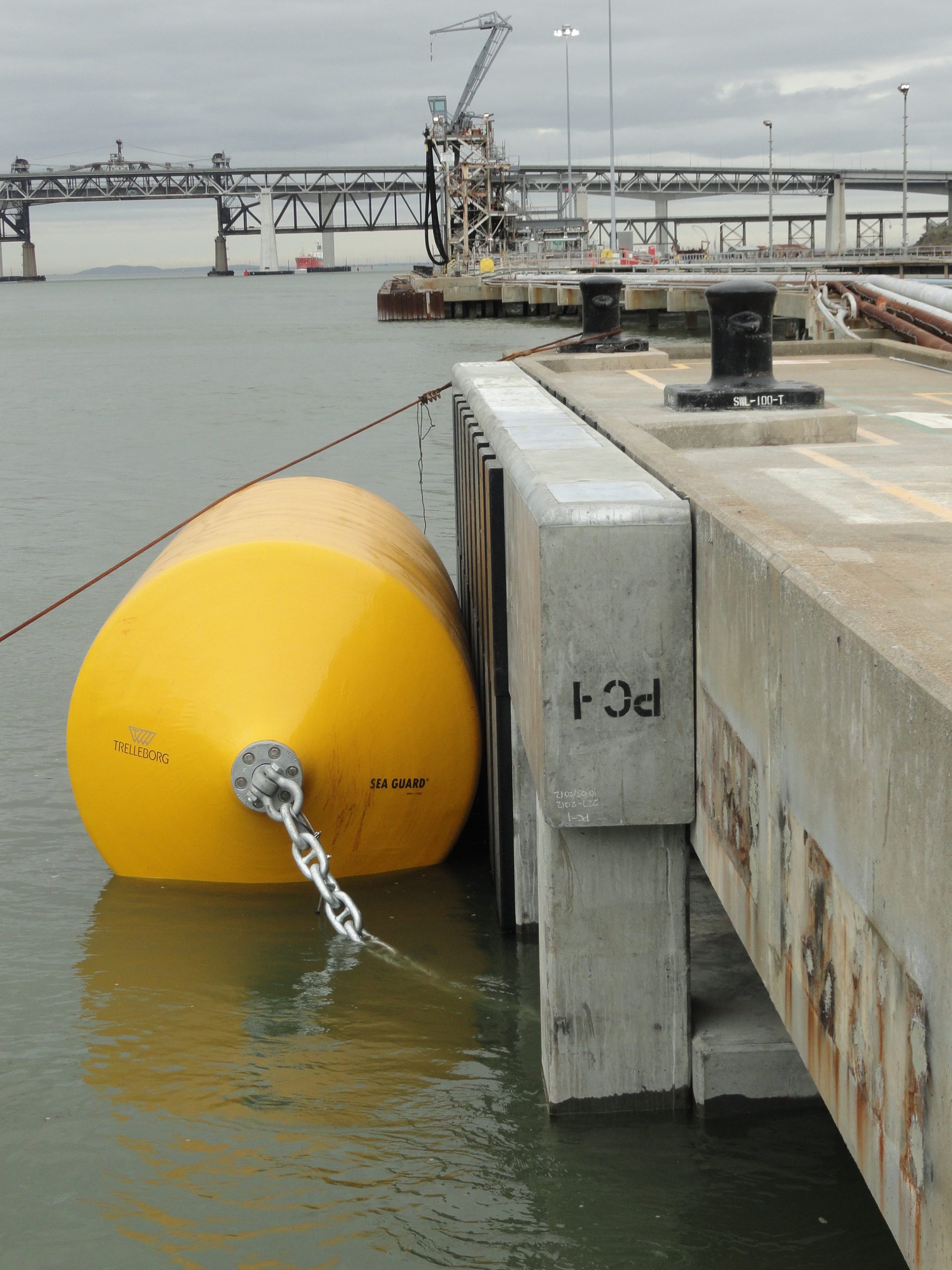
The existing fender systems at two berths of a refinery terminal were significantly deteriorated.  SGH was the engineer of record for the design of a replacement fender system.  We developed an innovative modular design that could accommodate tanker vessels between 5,000 DWT and 118,000 DWT, while minimizing berth downtime during construction and potential future repairs.

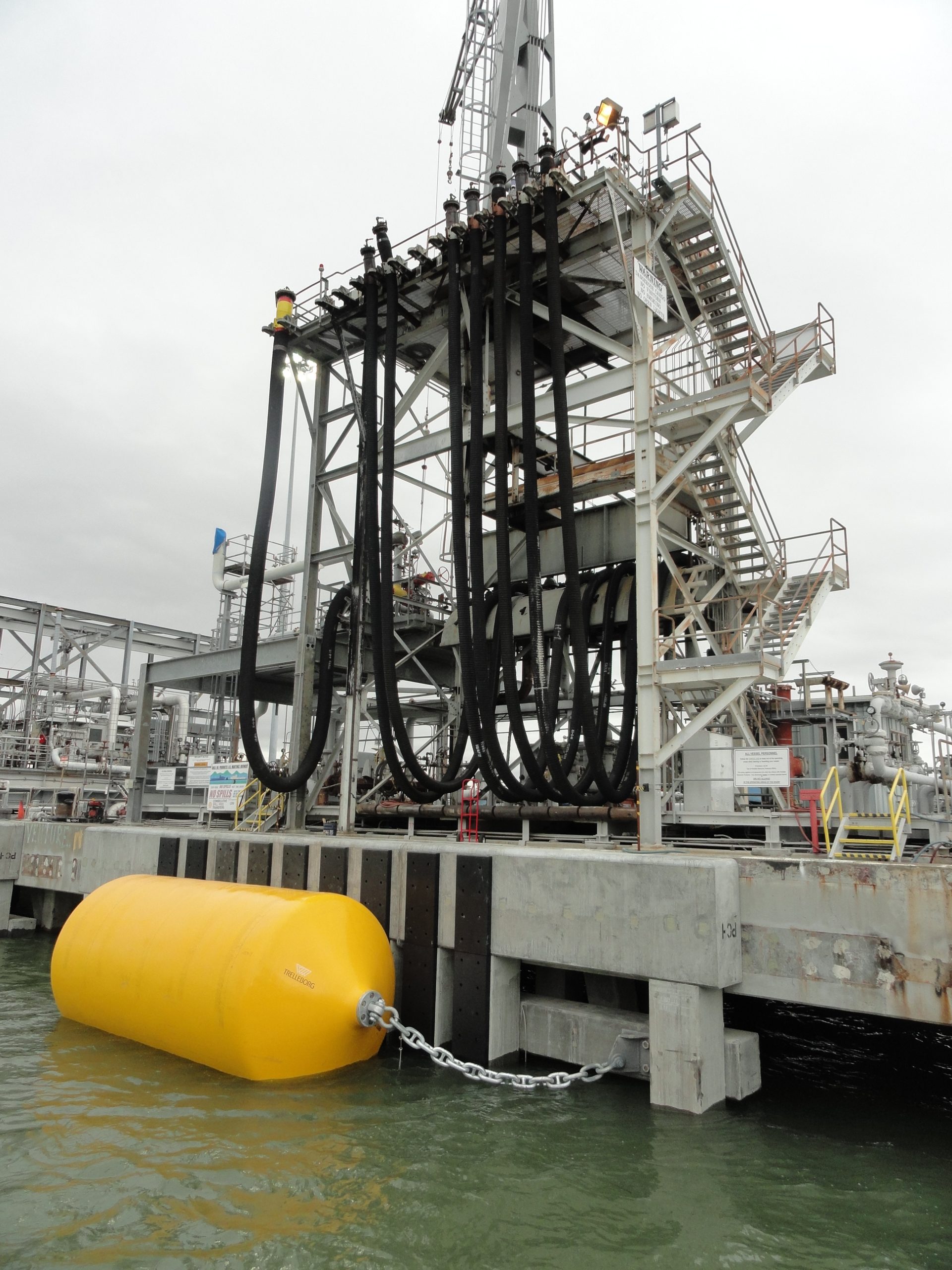
SGH assessed the adequacy of supporting structures and designed a berthing scheme incorporating floating, pneumatic fenders facing closely-spaced reinforced concrete reaction piles at discrete locations along the length of the wharf. Highlights of our design include the following:

  • Allows for quick repairs in the event of damage from vessel impact
  • Includes a primary and secondary fender system design for both barges and tankers between 5,000 DWT and 118,000 DWT
  • Uses bolted connections that can be disassembled if one component of the fender system requires replacement and also avoided costly underwater welding
  • Includes sustainable design features

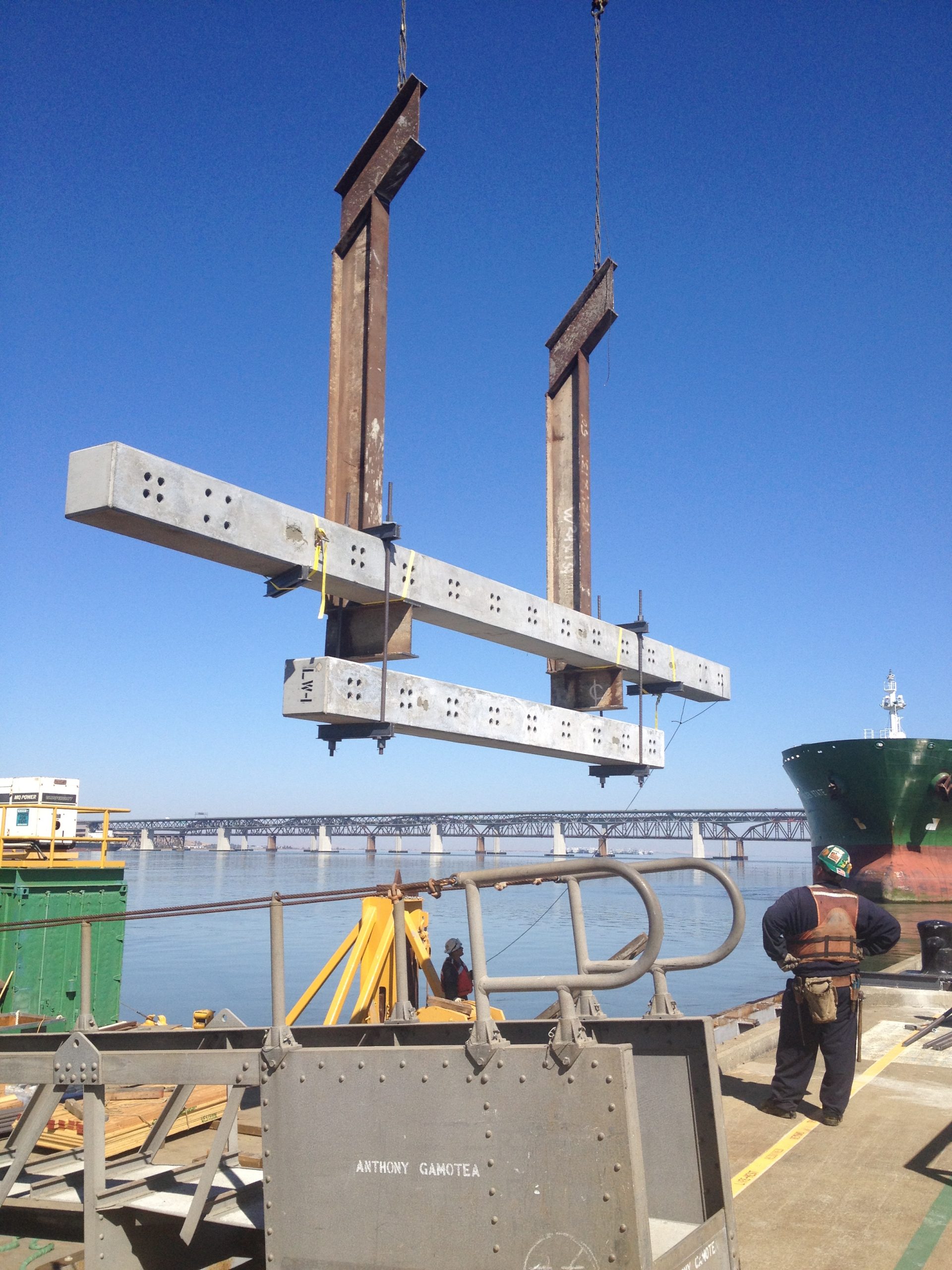
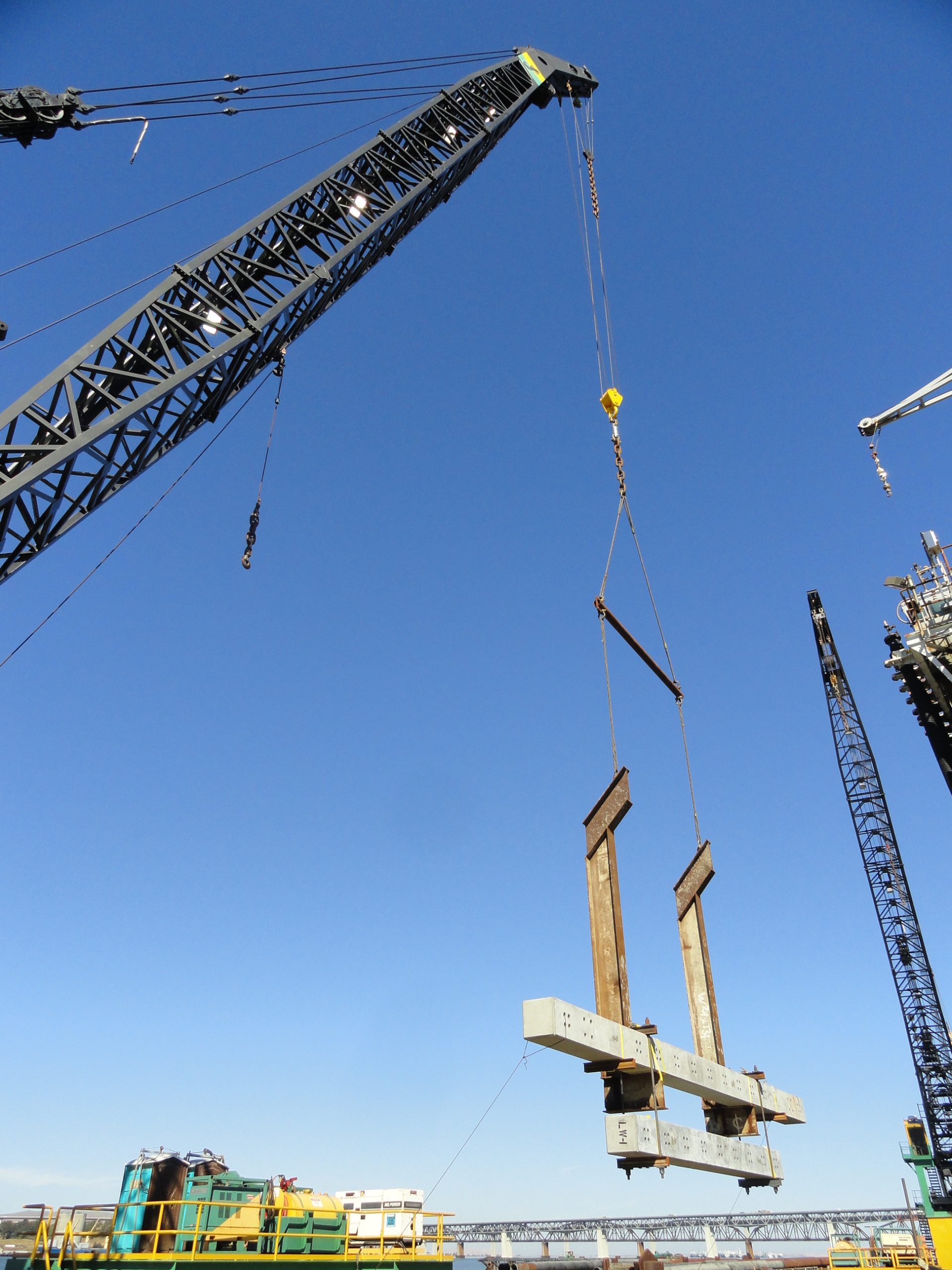
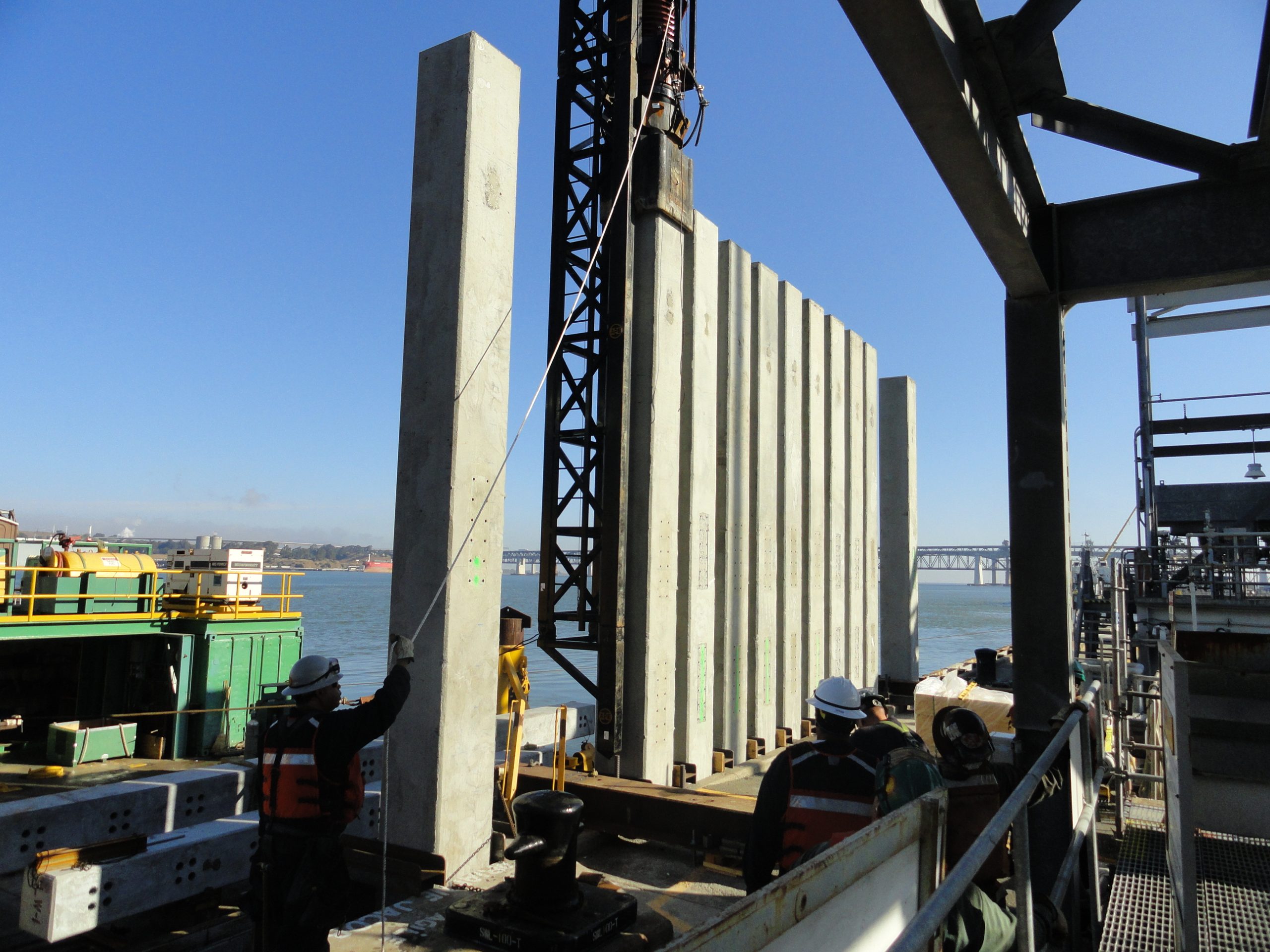
SGH worked closely with terminal operators and a local marine contractor to develop a design with modular, precast concrete elements that allowed for offsite fabrication and rapid assembly to expedite onsite construction and minimize the impact on berth operations. By using precast components, the team avoided onsite formwork, scaffolding, and long curing periods during construction.
Project Summary

Icon: completion-date

2013

Completion Date
Icon: construction-value

4.7M

Construction Value
Solutions
Repair & Rehabilitation
Services
Structures
Markets
Energy | Infrastructure & Transportation
Specialized Capabilities
Repair & Strengthening | Marine & Civil Works

Key team members

Will Bruin
William Bruin
Executive Principal, Structural Engineering, West
Gayle Johnson
Senior Principal

Additional Projects

West

Liquid Bulk Terminal Replacement

SGH assisted the terminal operator by reviewing concept designs by others, developing topside layouts, establishing design criteria, and subsequently designing and preparing construction documents for the terminal replacement.
Explore
West

Columbia Generating Station, Seismic Probabilistic Risk Assessment

After the Fukushima Daiichi accident, the U.S. Nuclear Regulatory Commission (NRC) issued 10 CFR 50.54(f), a letter requiring licensees to perform a re-evaluation of seismic hazard and take further actions if it exceeds their design basis. In response to this letter, Columbia Generating Station (CGS) performed a seismic probabilistic risk assessment (SPRA) of their facility.
Explore