

Pittsburgh, PA
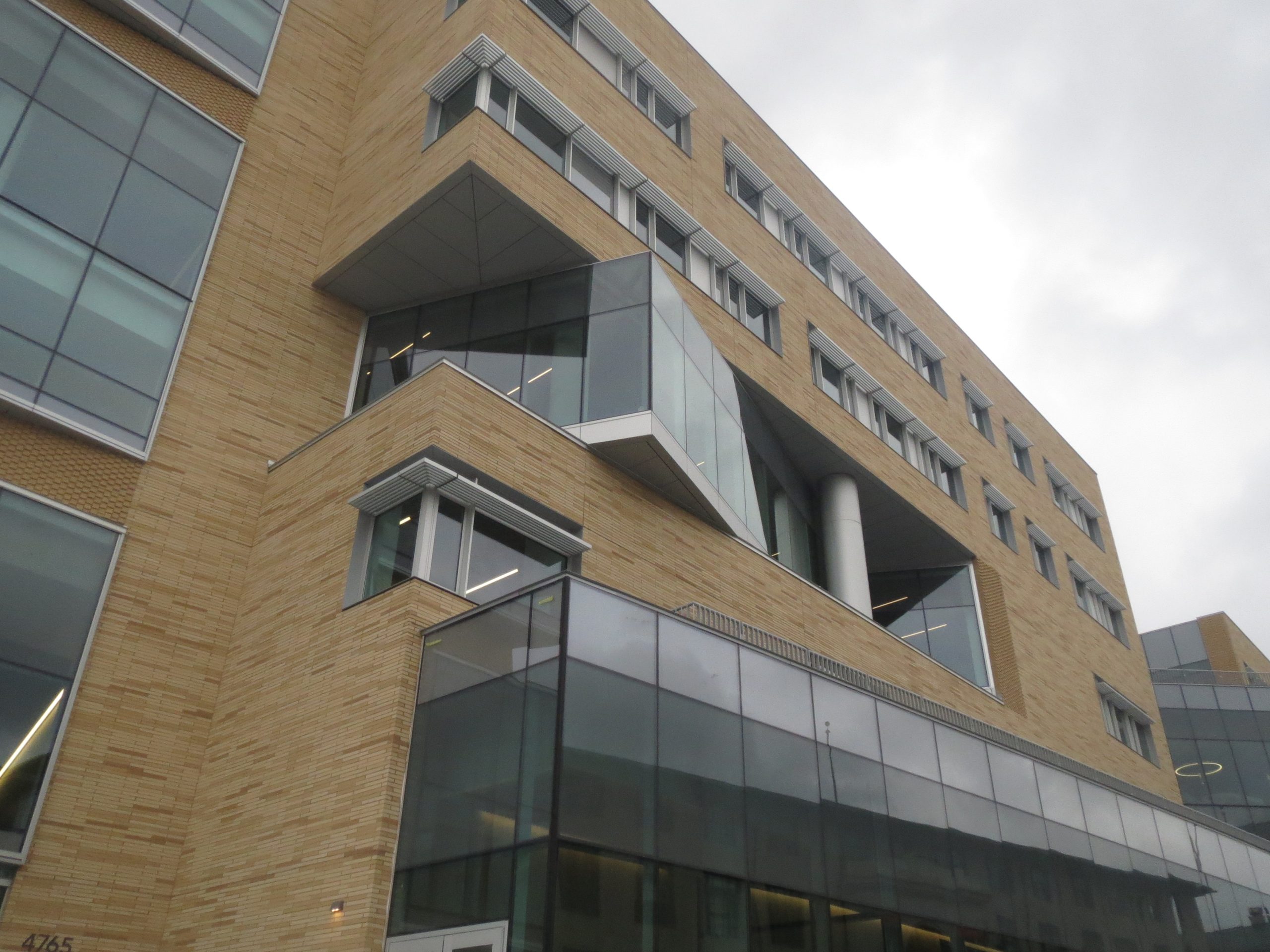
Carnegie Mellon University, David A. Tepper Quadrangle
Scope/Solutions
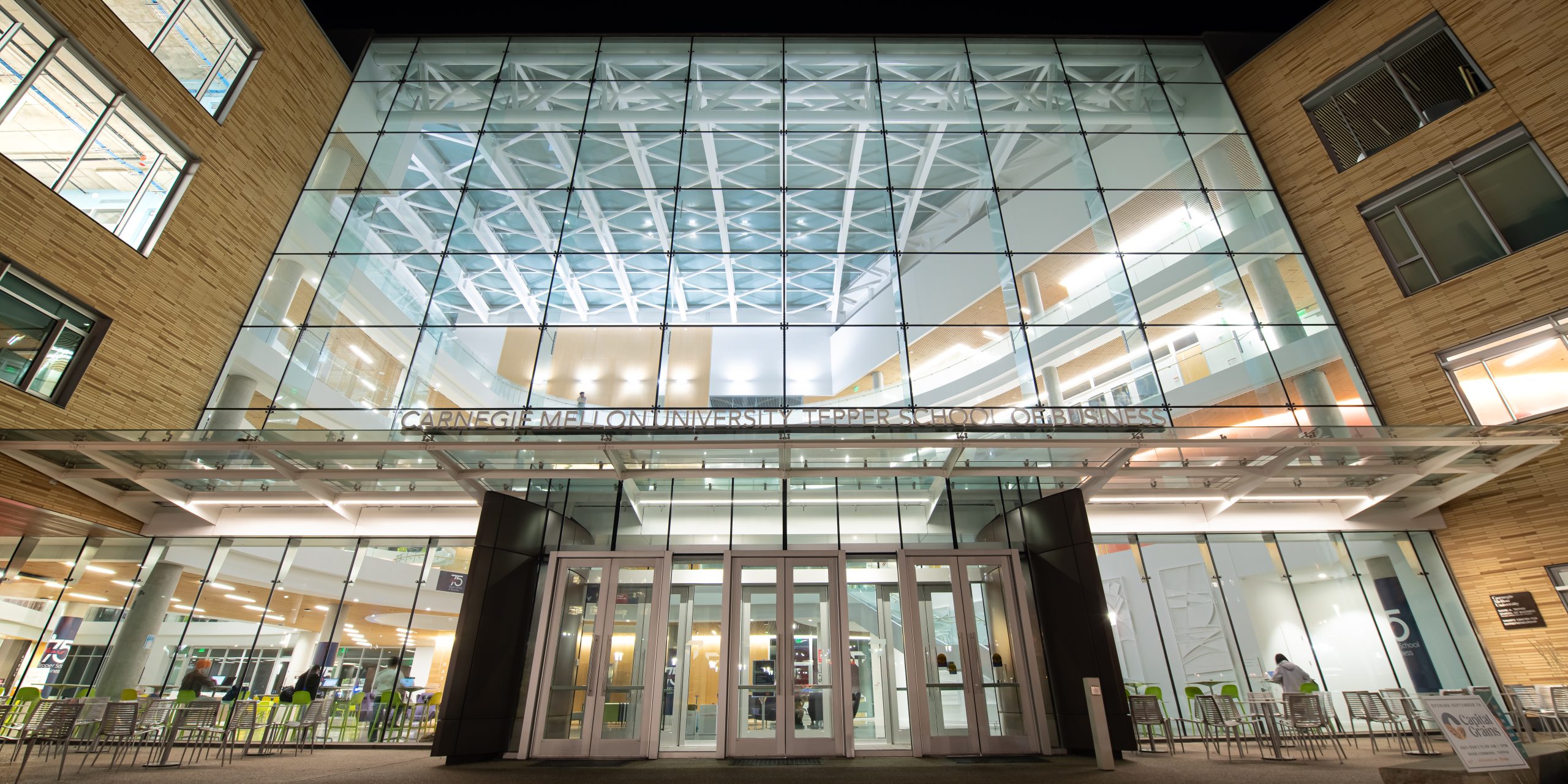
Made possible by a generous donation from David A. Tepper, the five-story building on the new quadrangle will become the home for Carnegie Mellon’s Tepper School of Business. The design connects the school’s disciplines and centers with each other and the campus by creating collaborative spaces within open corridors and maximizing campus views with more than 80,000 sq ft of exterior glass. SGH consulted on the building enclosure for the project.
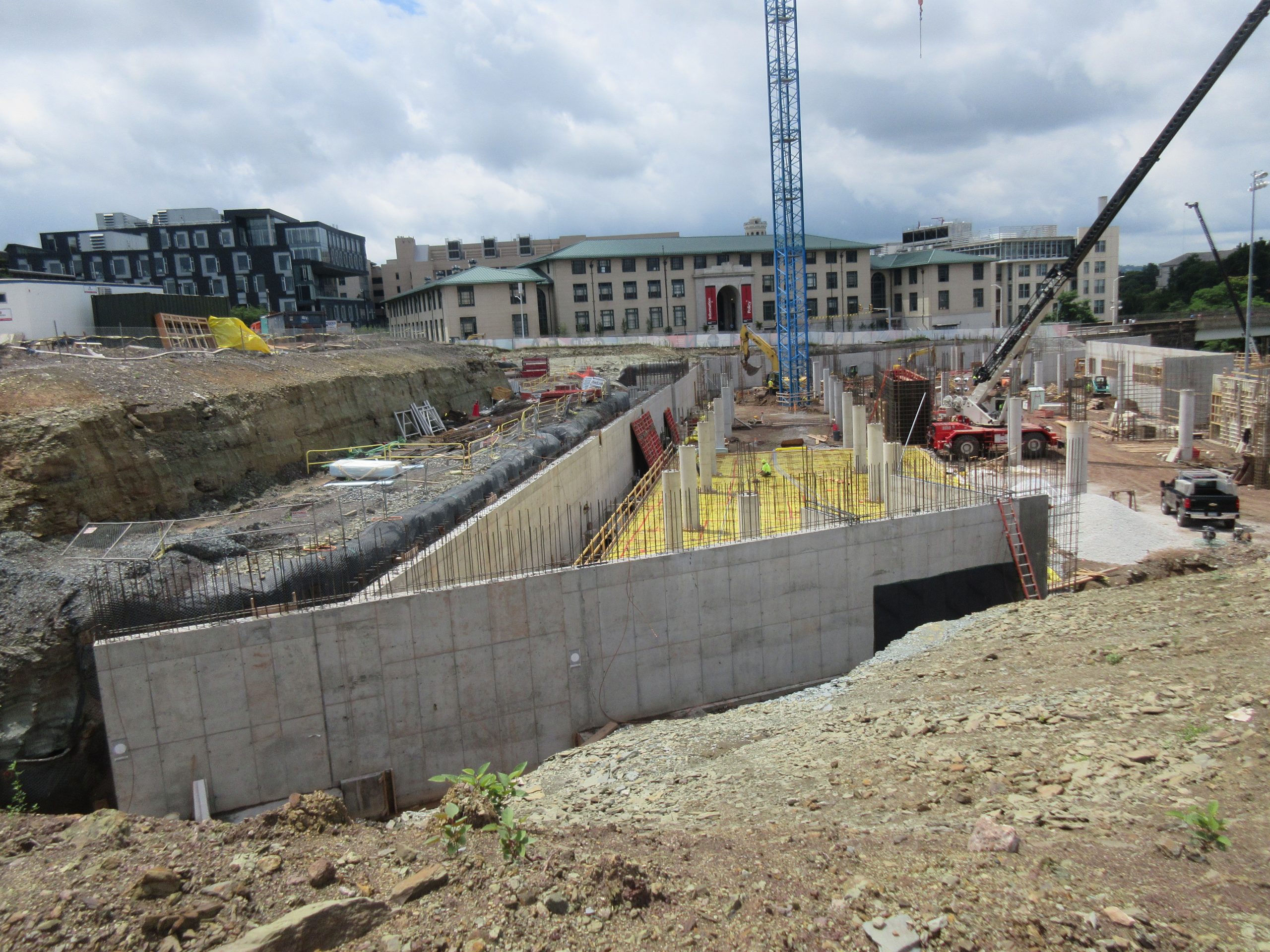
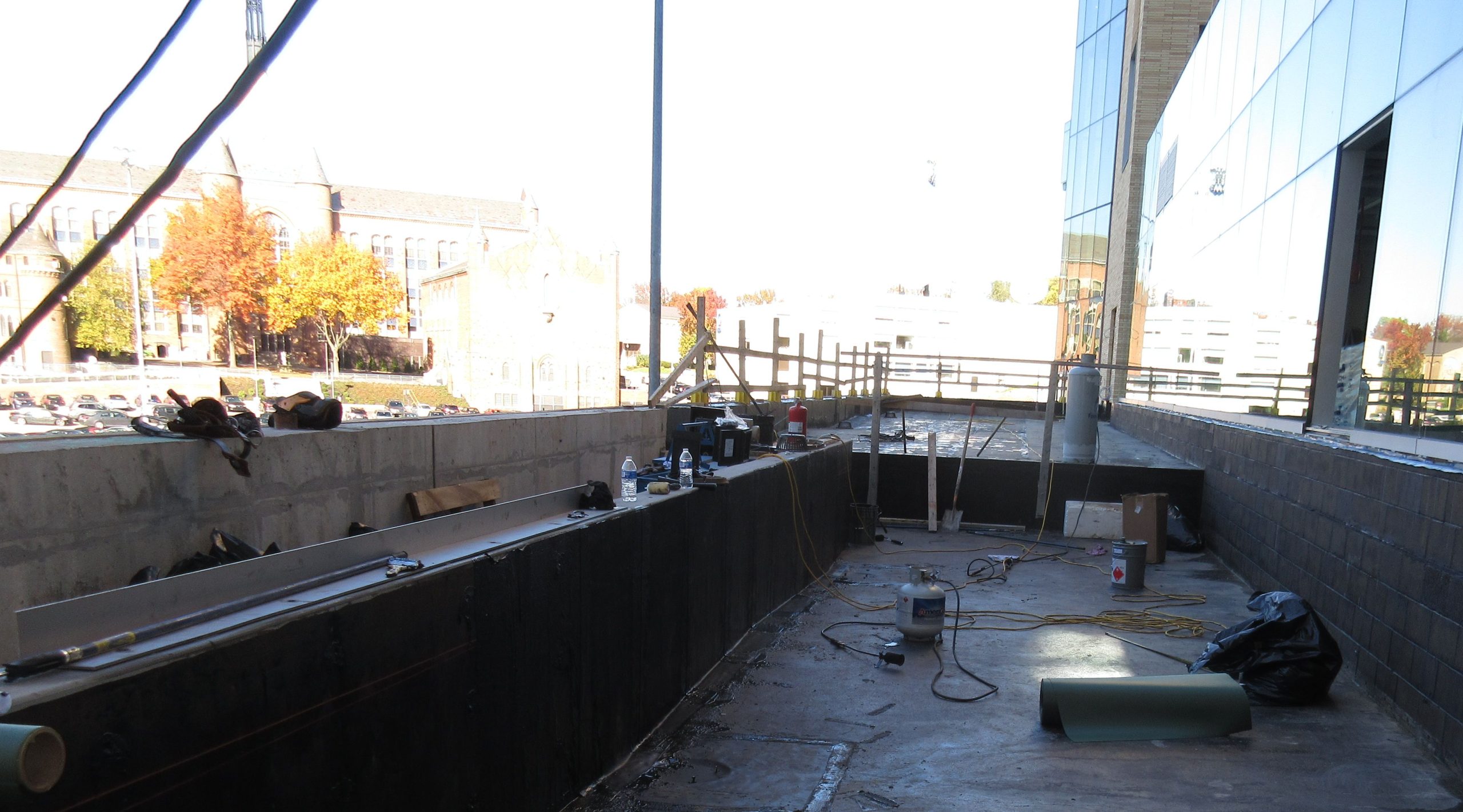
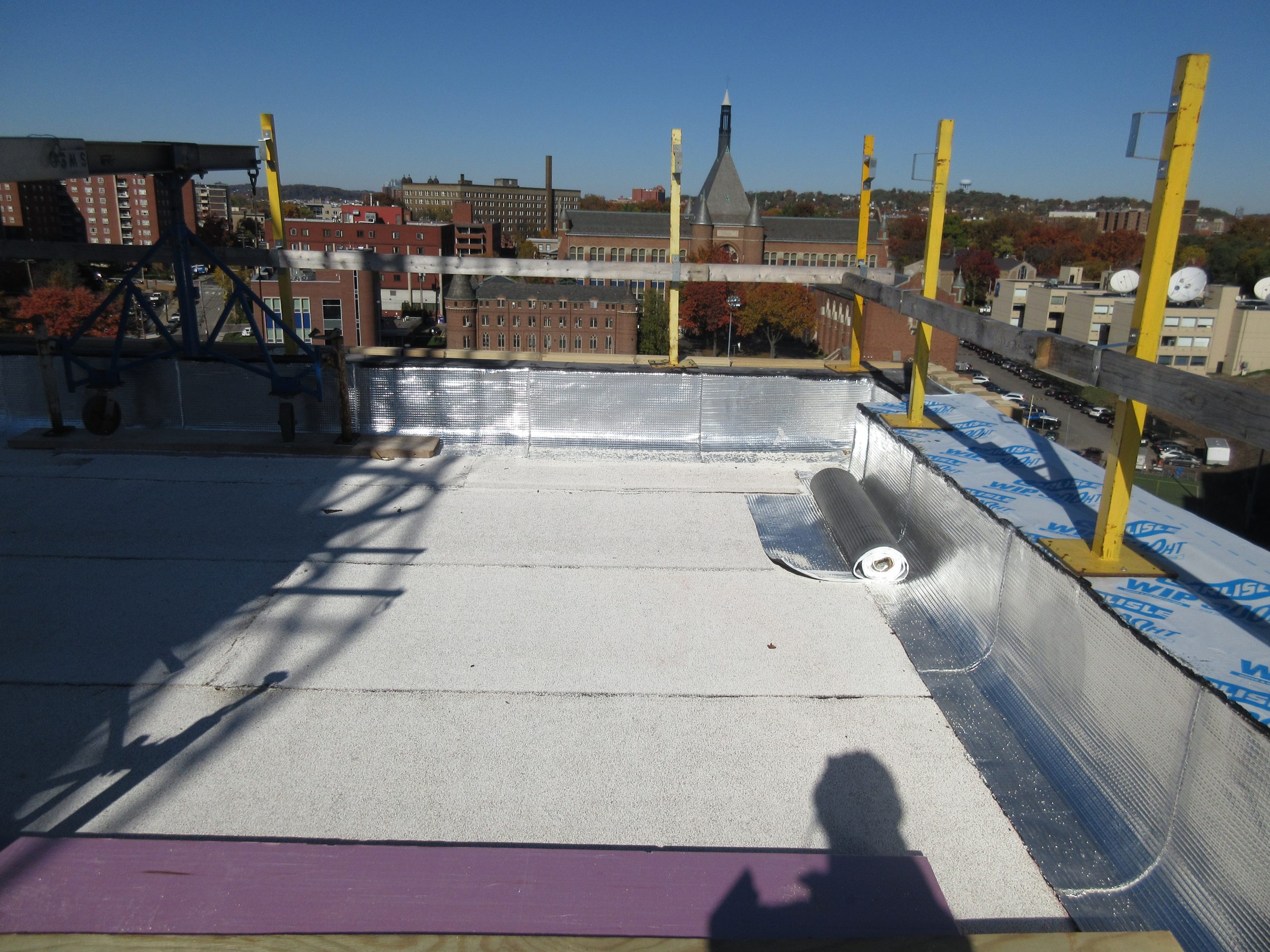
SGH consulted on the design of below-grade and terrace waterproofing and roofing. Highlights of our work include the following:
- Reviewed the proposed design and recommended ways to improve performance
- Developed details to integrate the waterproofing and roofing with the other building enclosure systems
- Worked closely with the design and construction teams to review proposed alternatives and integrate cost-saving design modifications
- Reviewed third-party electronic field vector mapping results for terrace roofs over interior space
- Provided construction administration services, including reviewing contractor submittals, visiting the site to observe roofing and waterproofing work, and helping the contractor address field conditions
Project Summary
Solutions
New Construction
Services
Building Enclosures
Markets
Education
Client(s)
Moore Ruble Yudell Architects & Planners
Specialized Capabilities
Roofing & Waterproofing
Key team members
Additional Projects
Mid-Atlantic
National Institutes of Health, Foundation for Advanced Education in the Sciences, Student Faculty Academic Center
NIH donated the 26,000 sq ft space located in the Clinical Center (Building 10) to FAES. FAES undertook the renovation project, which allowed FAES to consolidate many of their functions into one space and to create a campus focal point. SGH was the structural engineer for the project.
Mid-Atlantic
Union Presbyterian Seminary, Spence Hall
The seminary sought to renovate Spence Hall to its original grandeur of the 1897 building and to make a more functional space out of the 1941 library stack building. SGH was the structural engineer for the project.


