Navigating the DDESB Explosives Safety Site Plan Approval Process
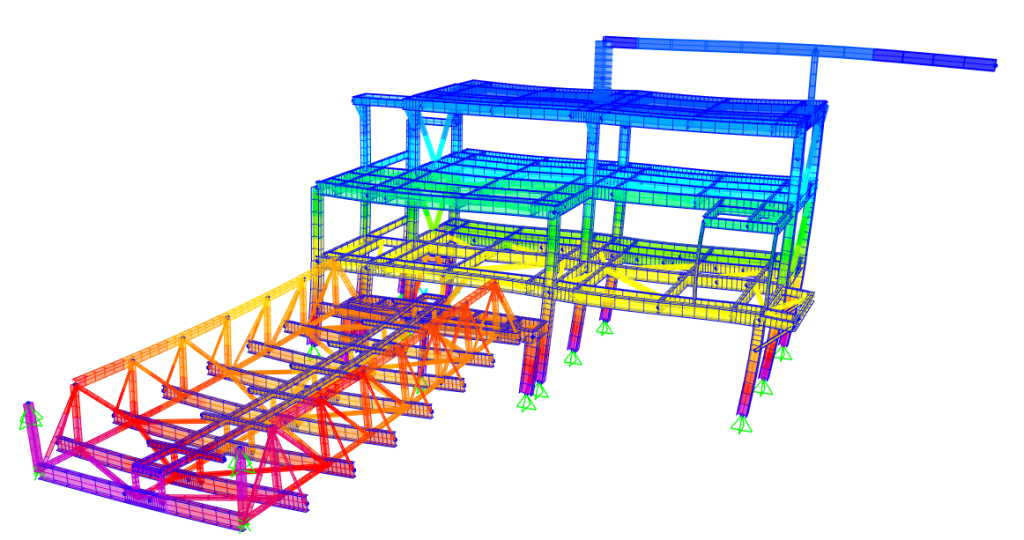 Late recognition of the Department of Defense Explosives Safety Board (DDESB) requirements for explosives safety site plans often drives schedule risk, scope growth, and redesign. Successful approval requires aligning end-user operational needs, budget constraints, and detailed explosives safety criteria while obtaining concurrence from multiple stakeholders (e.g., NAVFAC EXWC, NOSSA, and DDESB). Early identification of hazardous operations and protection requirements, along with proactive engagement of the appropriate authorities having jurisdiction, is essential to guide projects from planning through formal approval. This session equips NAVFAC stakeholders, project managers, and planners with practical tools to navigate the explosives safety site plan approval process. The course covers the key factors that influence the approval process, stakeholder roles and engagement timing to avoid rework and delays, and core site plan elements such as quantity-distance arcs, paired relationships, protective construction, and risk acceptance.
Kyle Haas, P.E., S.E., Senior Project Manager, specializes in designing and evaluating critical defense facilities subject to extreme hazards, including explosive effects, impact, ballistics, earthquakes, and soil failure. He has led the explosives safety protective construction and physical security design of high-risk facilities throughout the world. His career has included leadership positions in private industry, subject-matter expertise in blast engineering, and research and development at the U.S. Navy’s NAVFAC Expeditionary Warfare Center (EXWC).



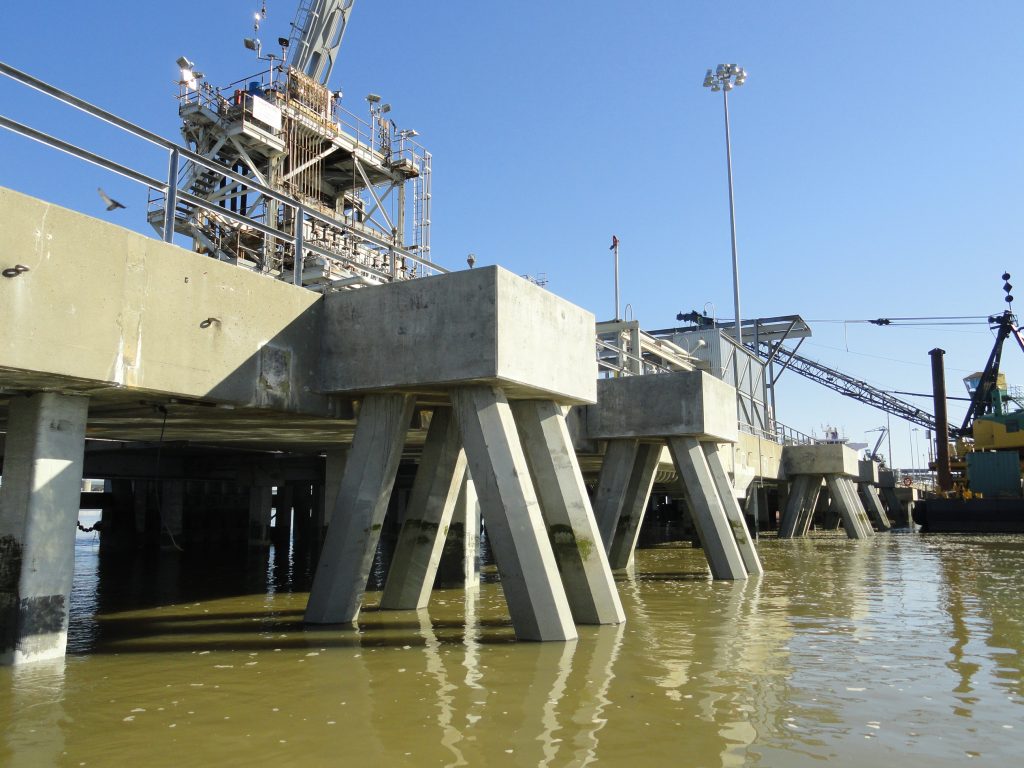
 Julie Galbraith, P.E., Associate Principal, has extensive engineering experience in the maritime industry, including structural design of new marine terminals, detailed structural analyses, seismic retrofits, concept evaluations, condition assessments, maintenance and repair plans, and mooring and berthing systems. She has completed numerous seismic assessments for piers and wharves with specialized expertise in performance-based analysis and provided construction support services to owners and contractors.
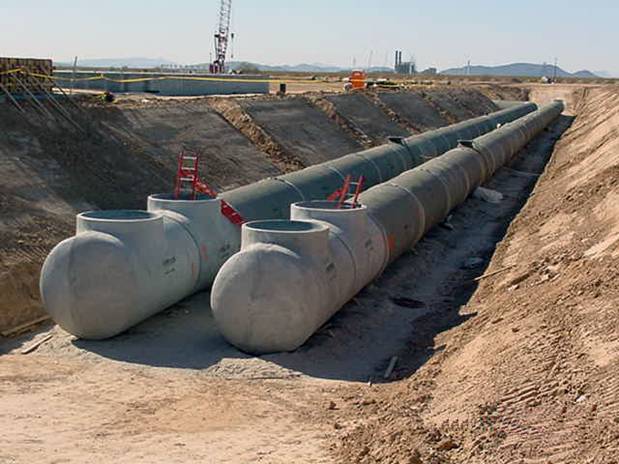 Pipes and tanks are critical components of industrial and defense facilities, yet are often subject to significant wear and tear over time, leading to operational inefficiencies, safety concerns, and costly failures if not properly managed. This session will focus on strategies for assessing, maintaining, and rehabilitating these essential systems to ensure their reliability and extend their service life. We will discuss inspection techniques, rapid condition assessment methods, seismic soil-structure interaction analyses, and approaches to fitness-for-service evaluations.
 Peter Nardini, P.E., P.Eng., Associate Principal, specializes in condition assessment, failure risk analysis, failure investigation, and pipeline repair. He performs these services on concrete, metallic, and HDPE pipelines in the water, wastewater, and power generation industries. Highlights of his experience include developing risk-based pipeline asset management plans and GIS-based tools to implement such plans, and developing the computer program TRDP to design thrust restraint of buried concrete pipelines.
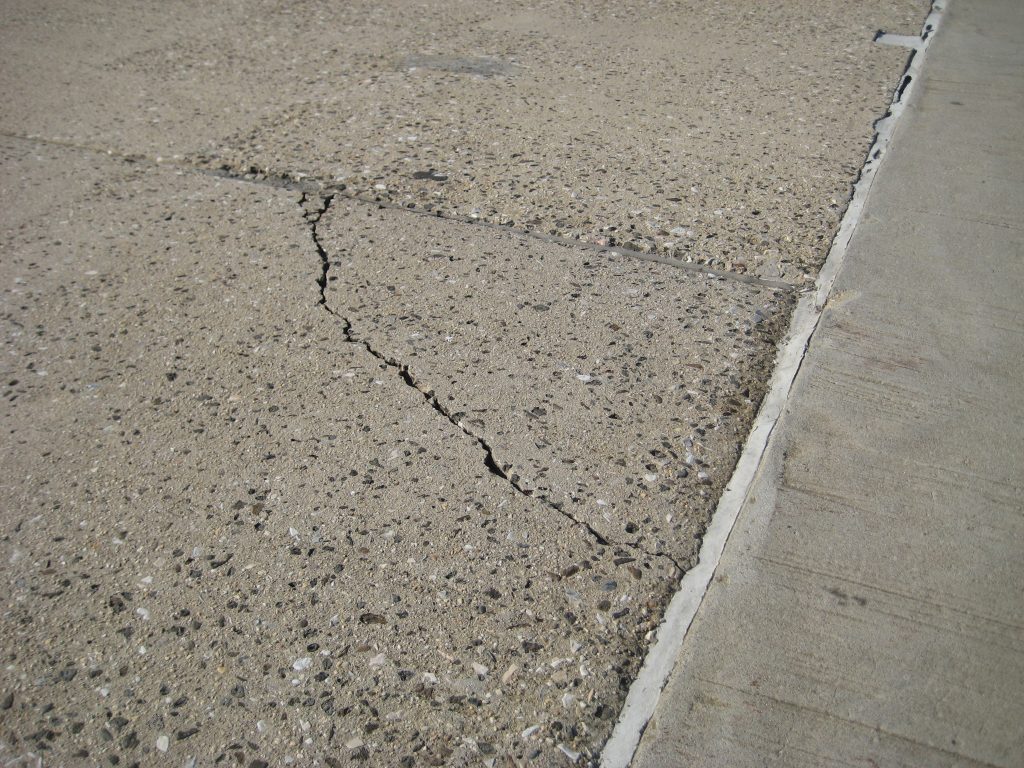 Existing foundations or foundation systems may need to be assessed for many reasons, including to explore supported structures showing signs of distress like cracking or out-of-plumbness, to consider demolishing or replacing existing foundations, to review building additions’ increased applied loads on existing foundations, or to better understand existing foundation conditions. In this session, we provide an understanding of the basic elements of a foundation investigation and discuss how to develop an effective plan to support an adequate assessment of the existing foundation conditions.
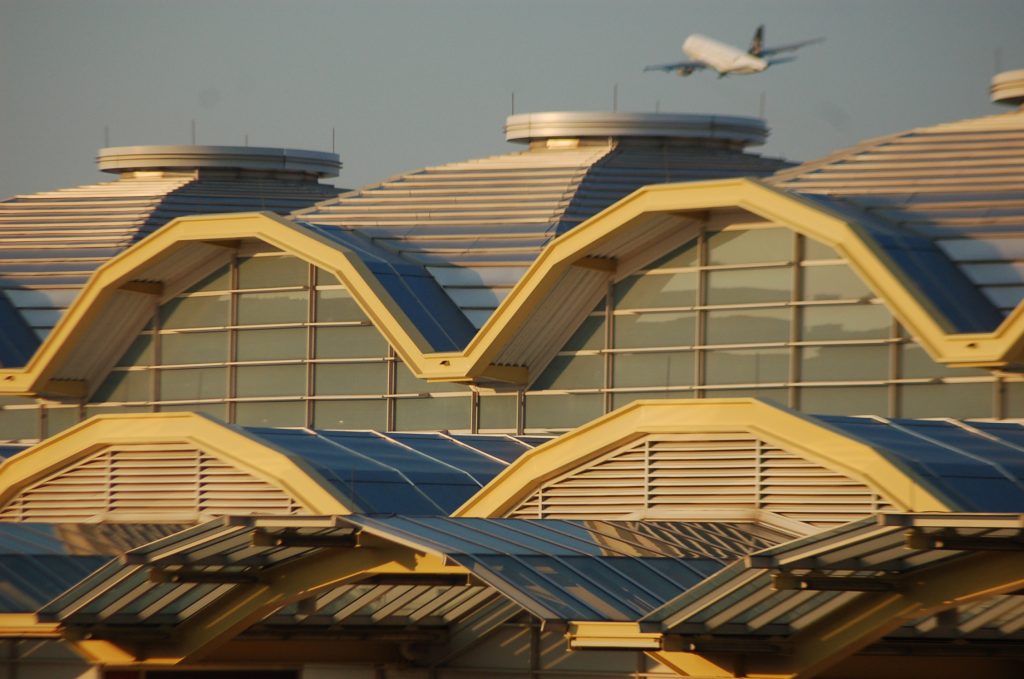 Roofing systems for mission-critical facilities such as government and defense installations, data centers, and health care facilities have a particularly low tolerance for performance problems and unplanned downtime. While waterproofing performance remains of central importance, building airtightness, moisture transport, condensation control, and other factors specific to secure sites must be scrutinized by subject-matter experts. Moreover, while roofing systems and materials technology knowledge are important on these projects, so too is an understanding of how the rooftop is used and maintained, the manner in which the various roofing system options are constructed, and the fact that many roofing decisions are interdependent with multidisciplinary considerations such as structural, plumbing, combustibility, and fall protection. This session will examine key aspects of roofing assessments and design processes on mission-critical facilities, with emphasis on projects subject to oversight by diverse project stakeholder teams and defense standards such as the Unified Facilities Criteria (UCF).
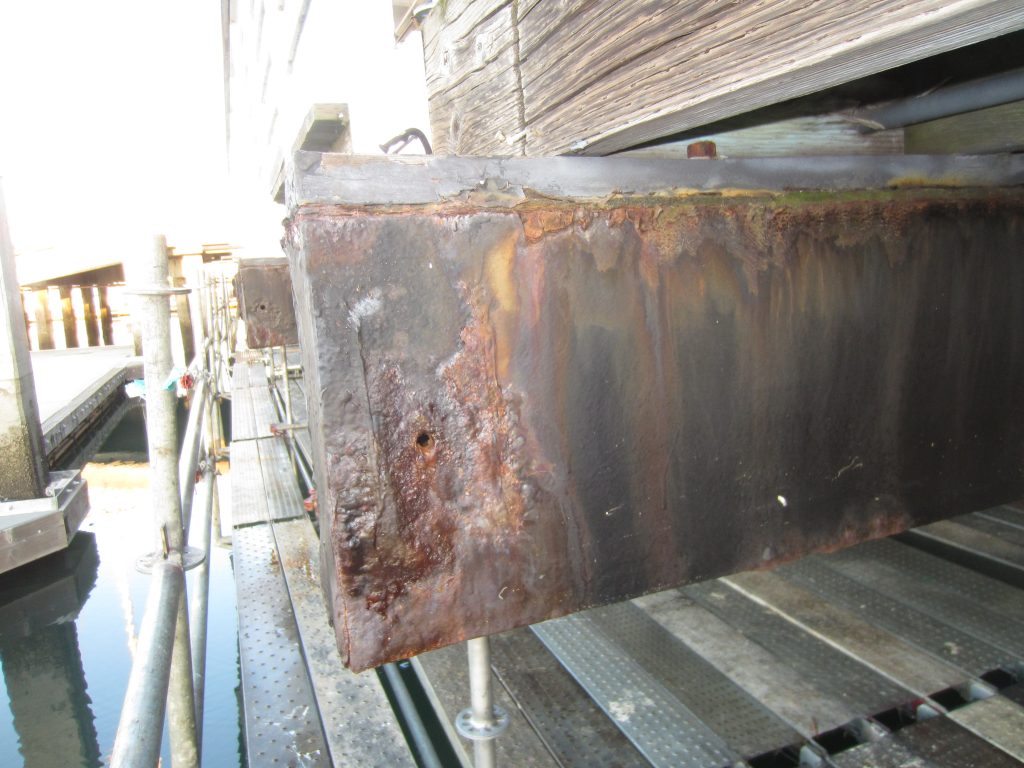 Corrosion is the leading cause of deterioration of reinforced concrete in civil infrastructure. To reduce these costs and preserve our infrastructure, it is critical to properly assess corrosion activity and the damage it causes to reinforced concrete. This session will explore the causes of reinforced concrete corrosion and the techniques that can be used to evaluate its extent. Specifically, we will discuss the corrosion reaction and how factors like chloride concentration and carbonation in concrete can cause corrosion, and present methods to identify and evaluate corrosion, including corrosion potential, resistivity, corrosion rate, ground-penetrating radar, and impact echo.
 Brian Pailes, Ph.D., P.E., Associate Principal, specializes in cathodic protection, nondestructive testing, concrete deterioration, corrosion, and concrete materials. He has worked on a variety of structures, with an emphasis on bridges, ports, and industrial facilities. Brian’s expertise includes solving durability challenges for infrastructure by understanding the root cause of deterioration, its extent, and how it will progress with time to develop an effective and efficient strategy to extend their service life.
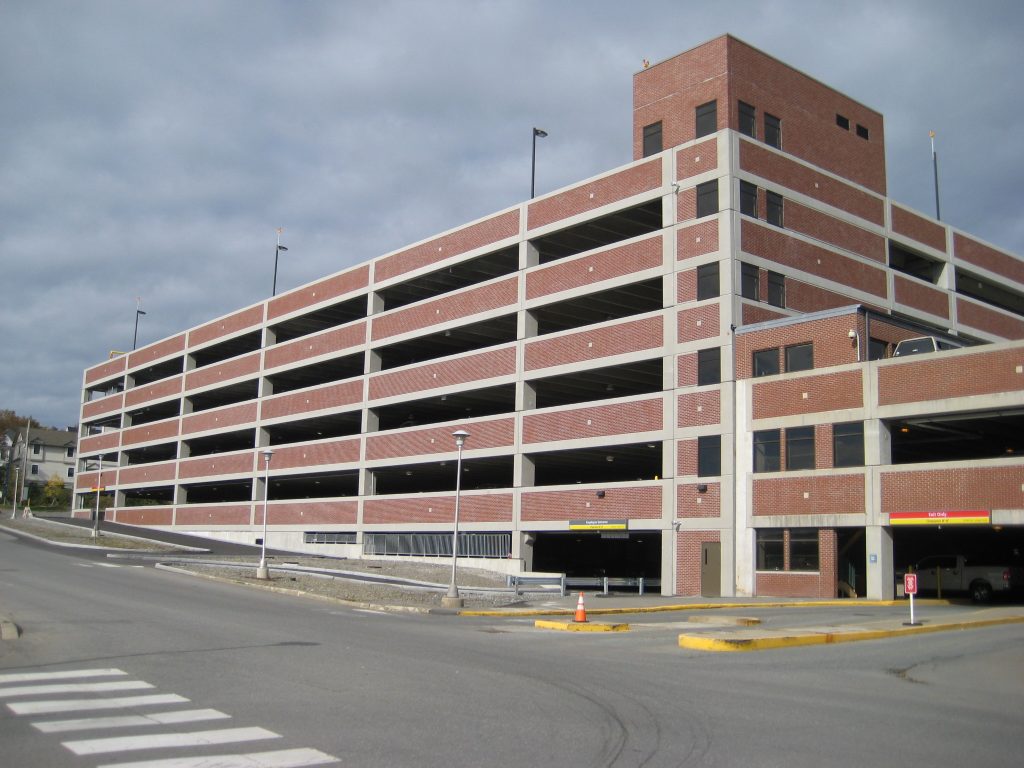 Parking garages are susceptible to deterioration in all climates—primarily due to corrosion at steel reinforcement in cold climates and thermal movement in warmer areas. While routine repairs and maintenance are often deferred or overlooked due to limited funding and operations in parking garages, proactive repairs and maintenance can extend the useful life of these structures and reduce future costs. This session will describe common structural systems in parking garages, provide an overview of typical causes of deterioration and how to address them, and discuss how to plan for future repairs and maintenance.
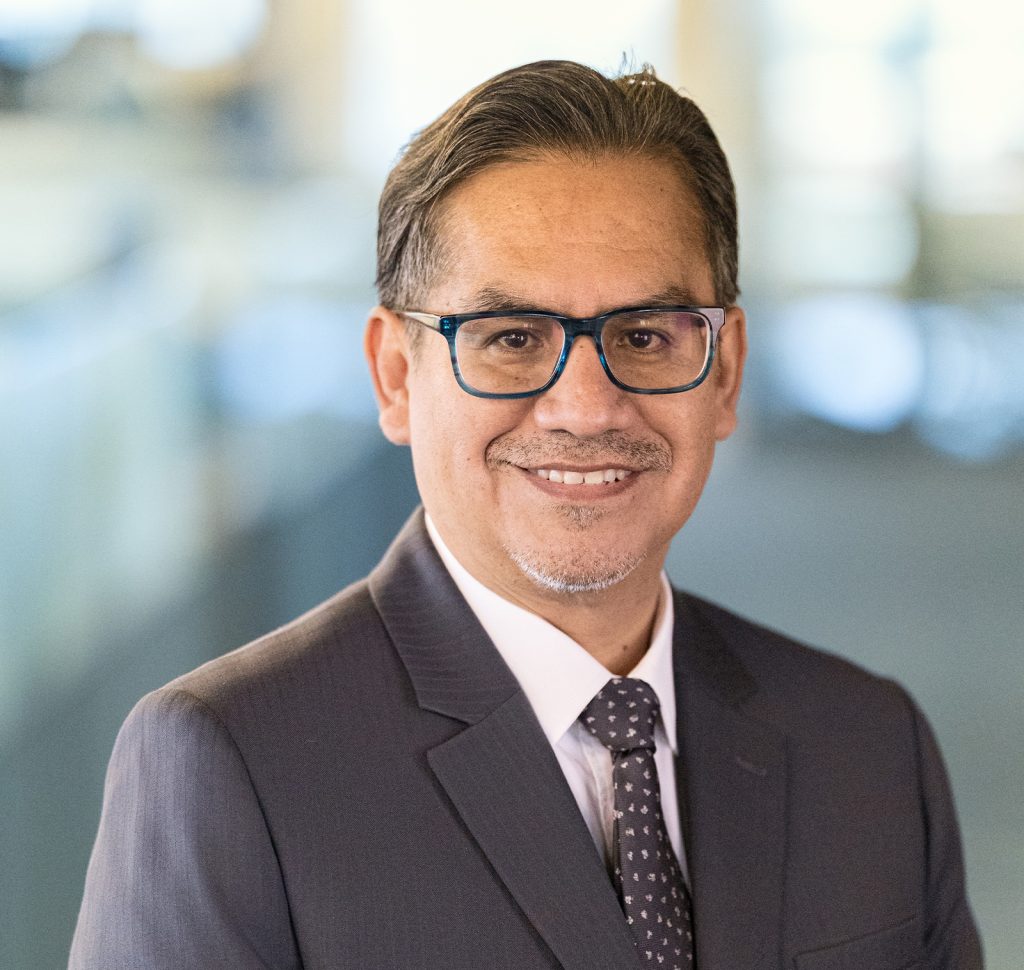 Gustavo Tumialan, P.E., Associate Principal, specializes in investigating, evaluating, repairing, and rehabilitating existing structures. His expertise includes structural condition assessment, diagnosis and remediation of distressed and deteriorated structures, design of repairs and strengthening of structures, and in-situ load testing of concrete structures. He is a member of ACI Committees ACI 562 – Evaluation, Repair and Rehabilitation of Concrete Structures; ACI 440 – FRP Strengthening; and ACI 437 – Strength Evaluation of Existing Concrete Structures.
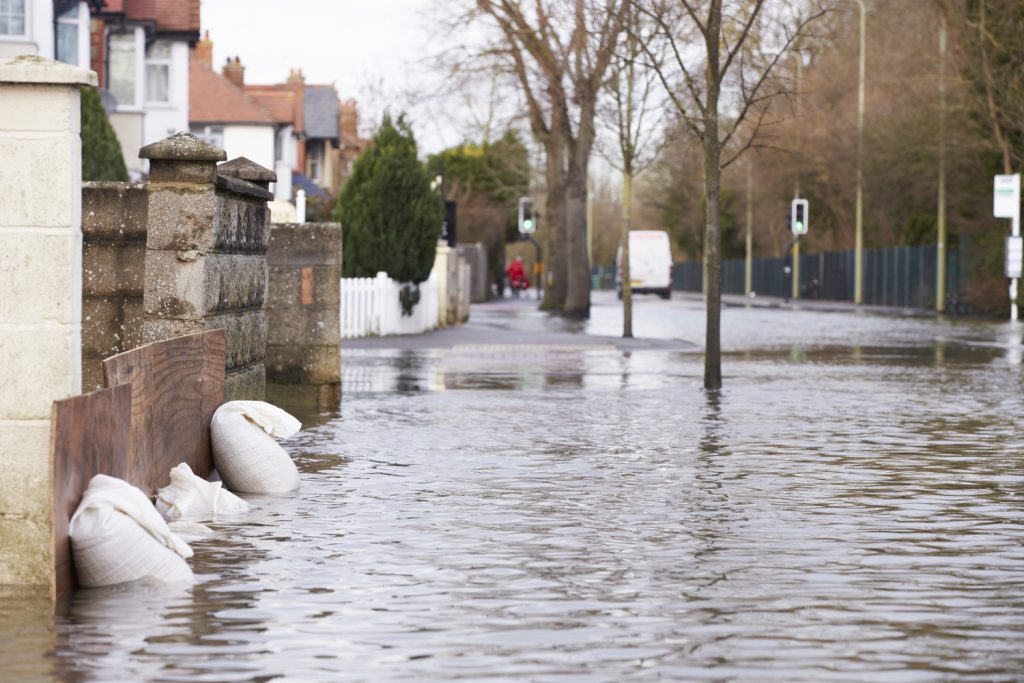 In the face of increasingly frequent coastal and inland flooding, Flood Emergency Response Plans (FERPs) are a crucial aspect of flood-resistant design and construction. FERPs help facility owners, operators, and occupants in flood-prone areas prepare for, respond to, and recover from damaging and costly flood events. This session will outline the components of a reliable FERP and use case studies to illustrate approaches and considerations for effectively preparing for and responding to flood hazards for buildings and other structures.
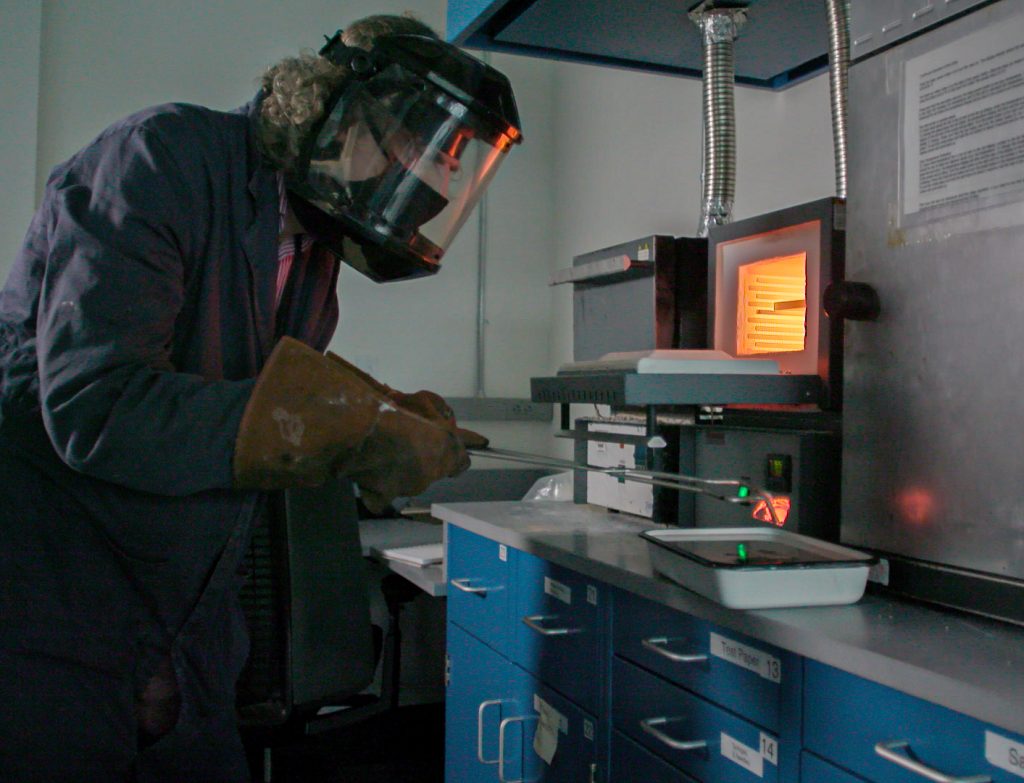 Metallurgical failure analysis is a critical process for identifying the root causes of metal degradation in various engineering applications. It is important for project teams to understand the essential techniques and steps involved, from understanding degradation mechanisms to conducting detailed laboratory analyses and modeling. This session will outline key elements of metallurgical failure analysis, discuss the critical steps for failure analysis, suggest ways clients can assist with the failure investigation process, and discuss how root cause failure analysis can be used to mitigate future problems.
 Alan Humphreys, Ph.D., P.E., Senior Technical Manager, is a metallurgical engineer specializing in failure analysis and structural assessment for degraded materials systems caused by corrosion, fracture and fatigue, or wear. His technical background includes laboratory testing and analysis to ASTM International, NACE International, and American Petroleum Institute standards, as well as the design of fitness-for-purpose experimentation
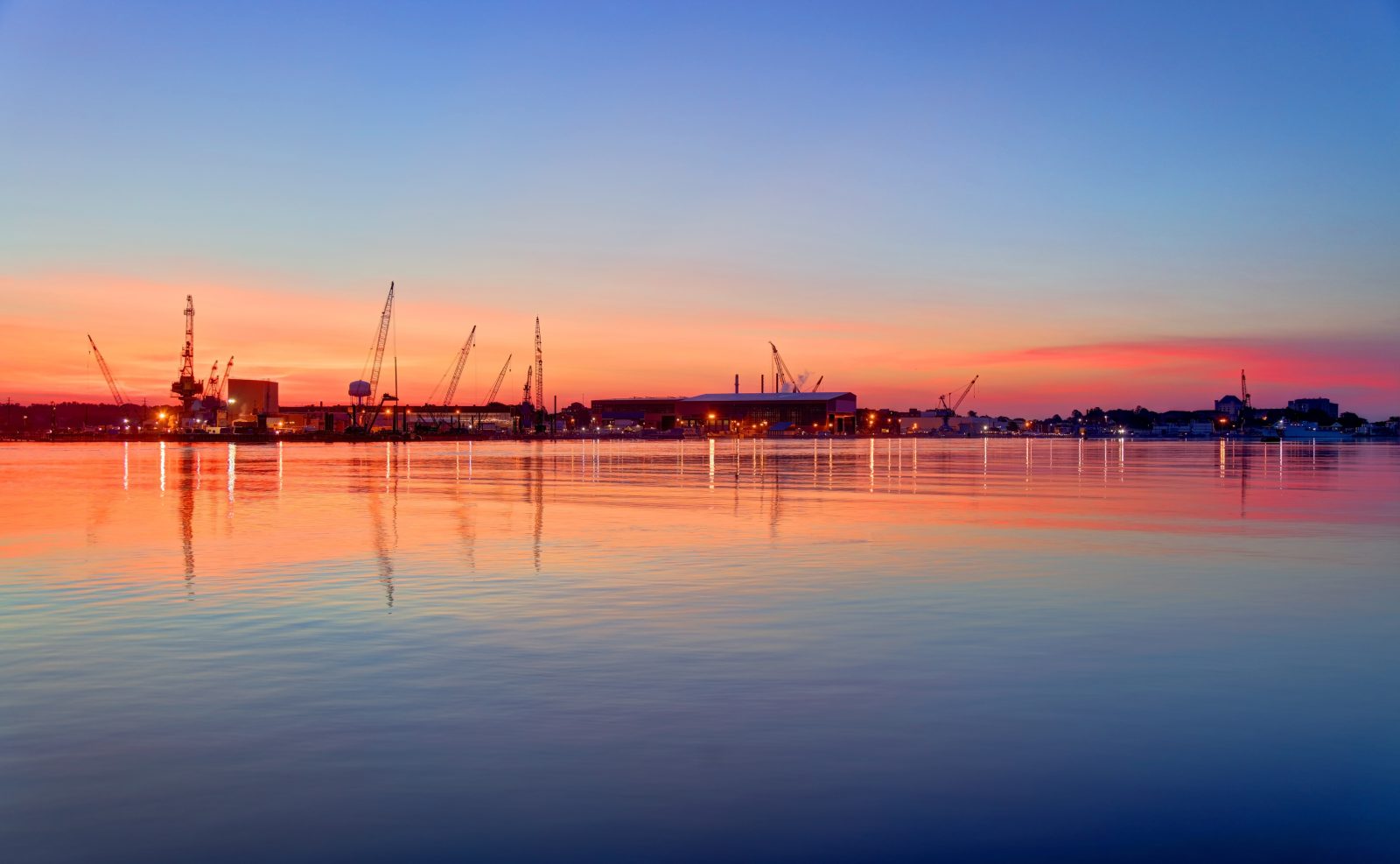
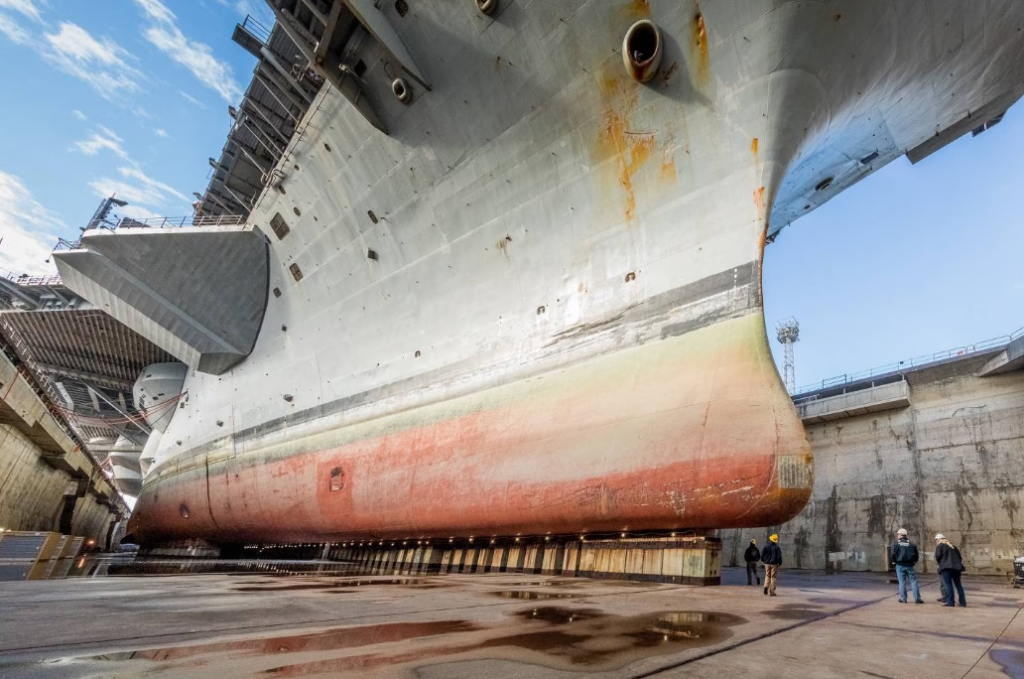 This session will present a case study where the stability of dry dock walls (subject to seismic loads before and after installation of tiebacks) at Puget Sound Naval Shipyard in Bremerton, Washington, was assessed using nonlinear pushover analysis in LS-DYNA. NAVFAC Northwest received the prestigious 2024 Engineering News-Record (ENR) Northwest Best Projects Award of Merit for this seismic retrofit project, which addressed critical infrastructure needs related to operational safety and seismic resilience.
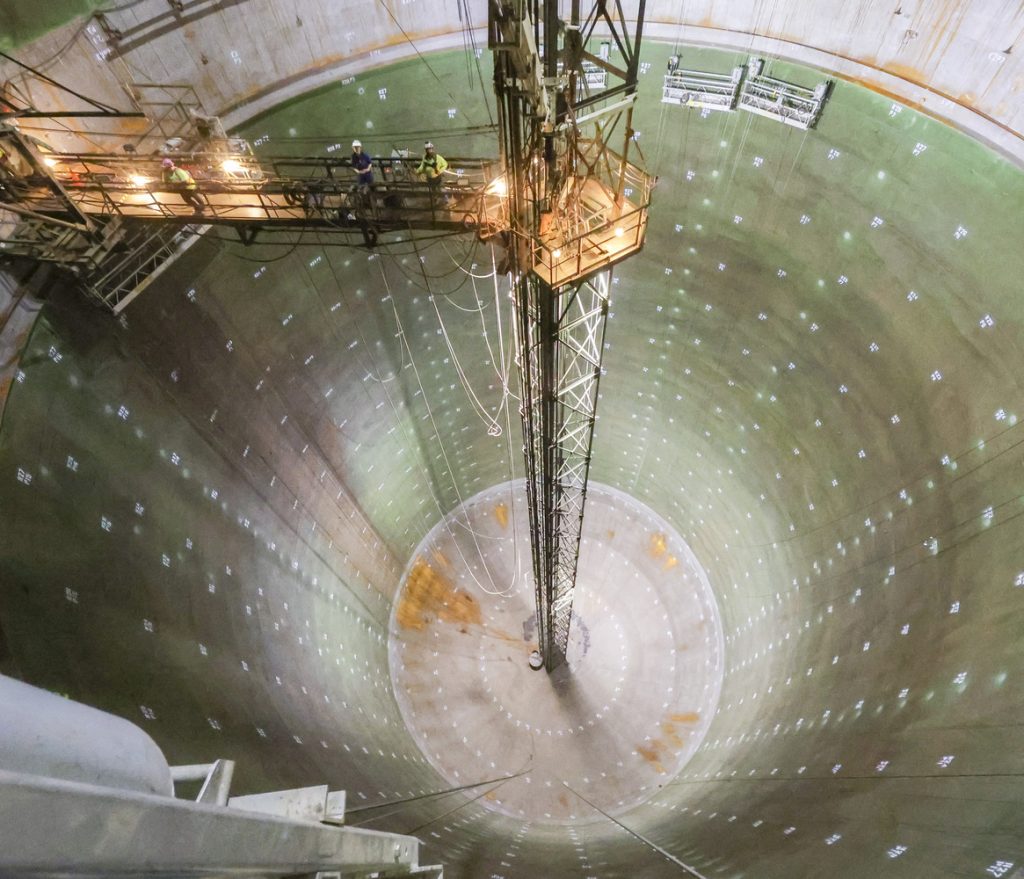 This session will showcase a structural integrity assessment of the Red Hill Underground Bulk Fuel Storage Facility, supporting safe defueling and closure efforts. We will highlight critical observations; simulation-based evaluations, including the use of finite element analysis of vulnerable pipe components; and design and the repair recommendations implemented before defueling.
 David Jacoby, P.E., FSFPE, LEED AP, Principal, brings specialized expertise in fire protection engineering and fire life safety consulting. His experience involves a range of projects, including large assembly facilities and entertainment venues, mixed-use high-rise facilities, airports, residential and office buildings, hospitals, and federal courthouses. He has a broad range of code consulting, design, modeling, and fire testing knowledge.
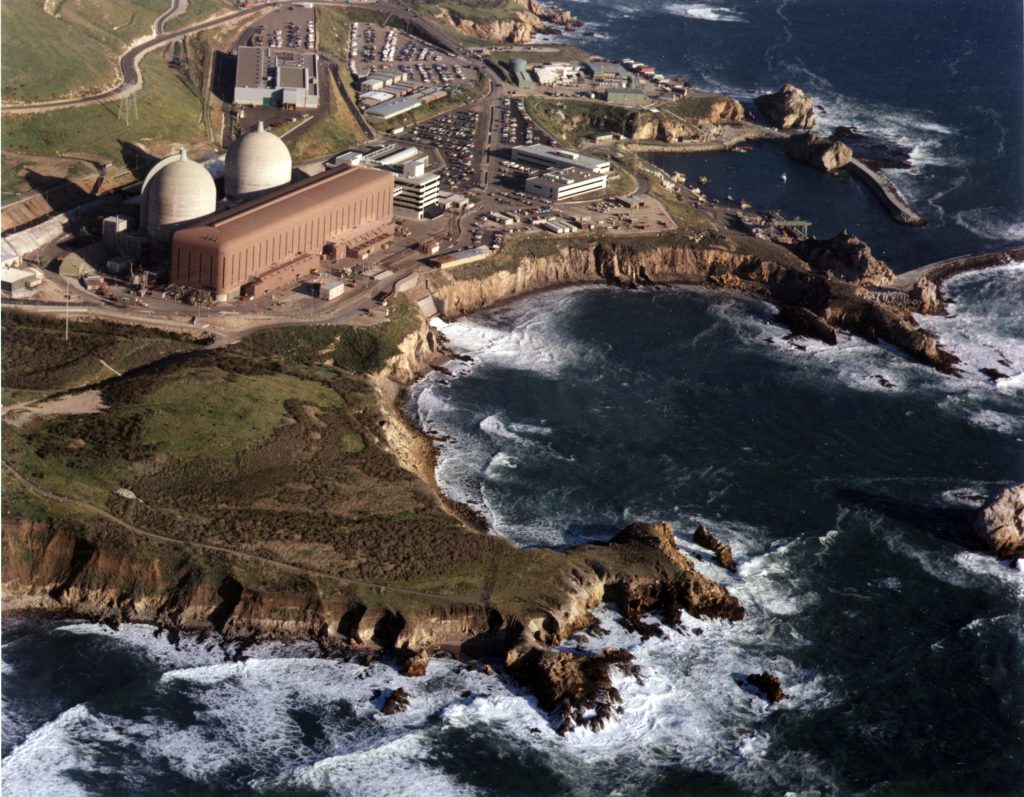 Seismic certification for nonstructural components is essential for ensuring that various types of equipment and systems can withstand the forces generated by earthquakes, especially for mission-critical facilities. This session will cover the seismic certification process, seismic code requirements, and the roles of engineers, facility managers, and manufacturers in ensuring compliance and operational continuity.
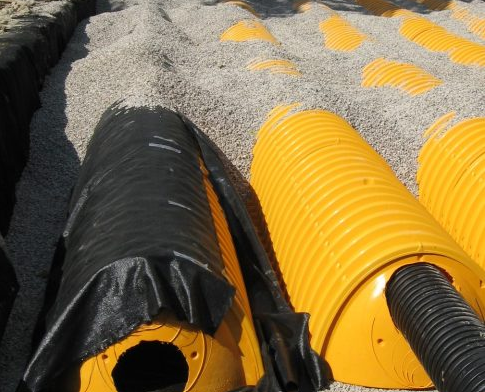 Stormwater management can be a challenging, complex task for site development teams, especially in urban areas. Although sub-surface recharge systems promote responsible and sustainable development by returning stormwater runoff to the groundwater after filtering it through underlying soil, implementing these systems in urban settings can be risky. This session will explore risk assessment, reviewing internal and conventional external system options, and meeting regulatory requirements while minimizing costly disruptions.
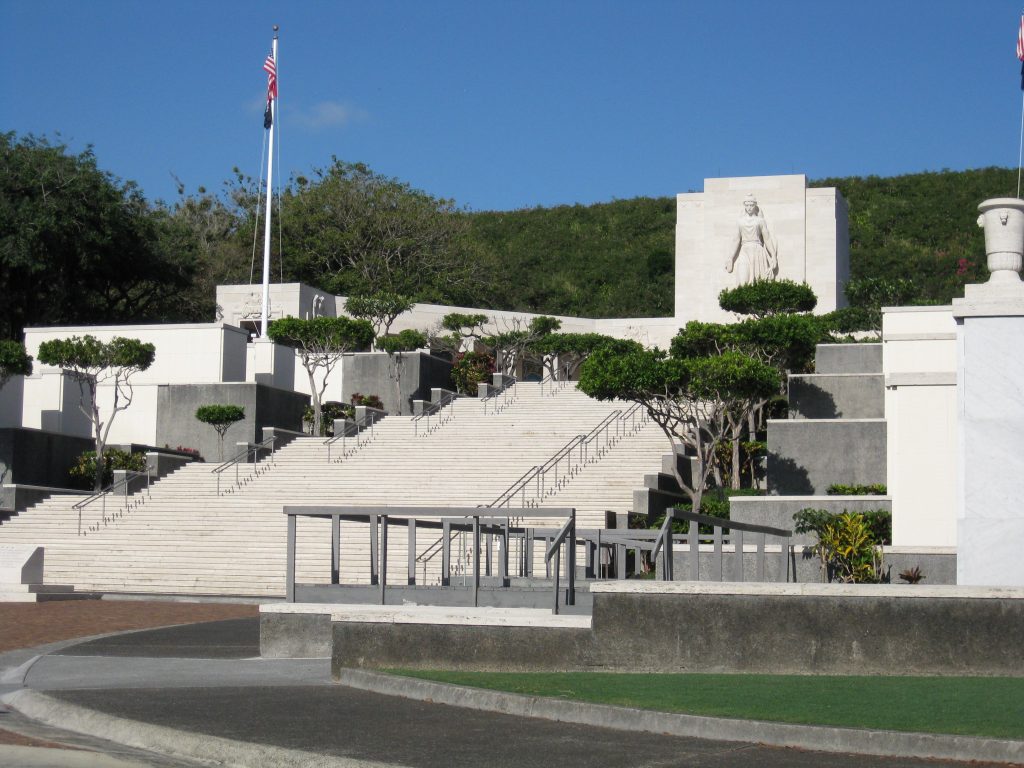 Existing buildings at defense installations are often aged and either have a need to address performance problems such as water infiltration or are under consideration for rehabilitation or adaptive reuse. This course presents a framework through which existing building facades (and the window and other glazing systems they contain) are assessed in a comprehensive manner with far more substantial value than visual review alone. Designed for engineers and planners, the session focuses on identifying the condition and repair needs of masonry facades, identifying the root causes of facade failures such as water leakage, and considerations associated with adding insulation to existing masonry facades. This session will also discuss diagnostic methodologies and historic preservation strategies aimed at balancing contemporary performance criteria for the building envelope with the need to preserve key historic assets for government stakeholders.
 Taryn Williams, P.E., Associate Principal, has extensive experience in building enclosures and structural engineering, including building enclosure investigations, condition assessments and repair designs for historic structures. Taryn is the Past President of the Association for Preservation Technology International (APTI) and the Past President of the Structural Engineers Association of Northern California (SEAONC).