Making Glass Visible: Bird-Friendly Glazing Strategies for Modern Buildings
Glass is one of the defining materials of modern architecture. It brings daylight into buildings, supports energy-performance goals, creates visual connections to the outdoors, and contributes to a project’s overall aesthetic. Yet the same characteristics that make glass attractive to people can make it hazardous to birds.
According to the American Bird Conservancy (ABC), more than one billion birds die each year in the United States after colliding with glass. As awareness of this issue grows, jurisdictions across North America are adopting bird-friendly requirements, and owners are increasingly looking to project teams for practical solutions.
Fortunately, the industry has made significant progress over the last two decades. Designers now have access to tested products, established standards, and a growing body of research that can help make buildings safer for birds without sacrificing daylighting, aesthetics, energy efficiency, or durability. The key is understanding that bird-friendly design is not simply about selecting a glazing product. It requires identifying collision risks, understanding how birds interact with buildings, and integrating mitigation strategies throughout the design process.

Understanding the Problem: Why Birds Strike Glass
Bird collisions occur because birds perceive glazing differently than people do.
The primary glazing-related hazards generally fall into three categories:
- Transparency: Birds see vegetation, sky, or open space beyond the glass and perceive a clear flight path.
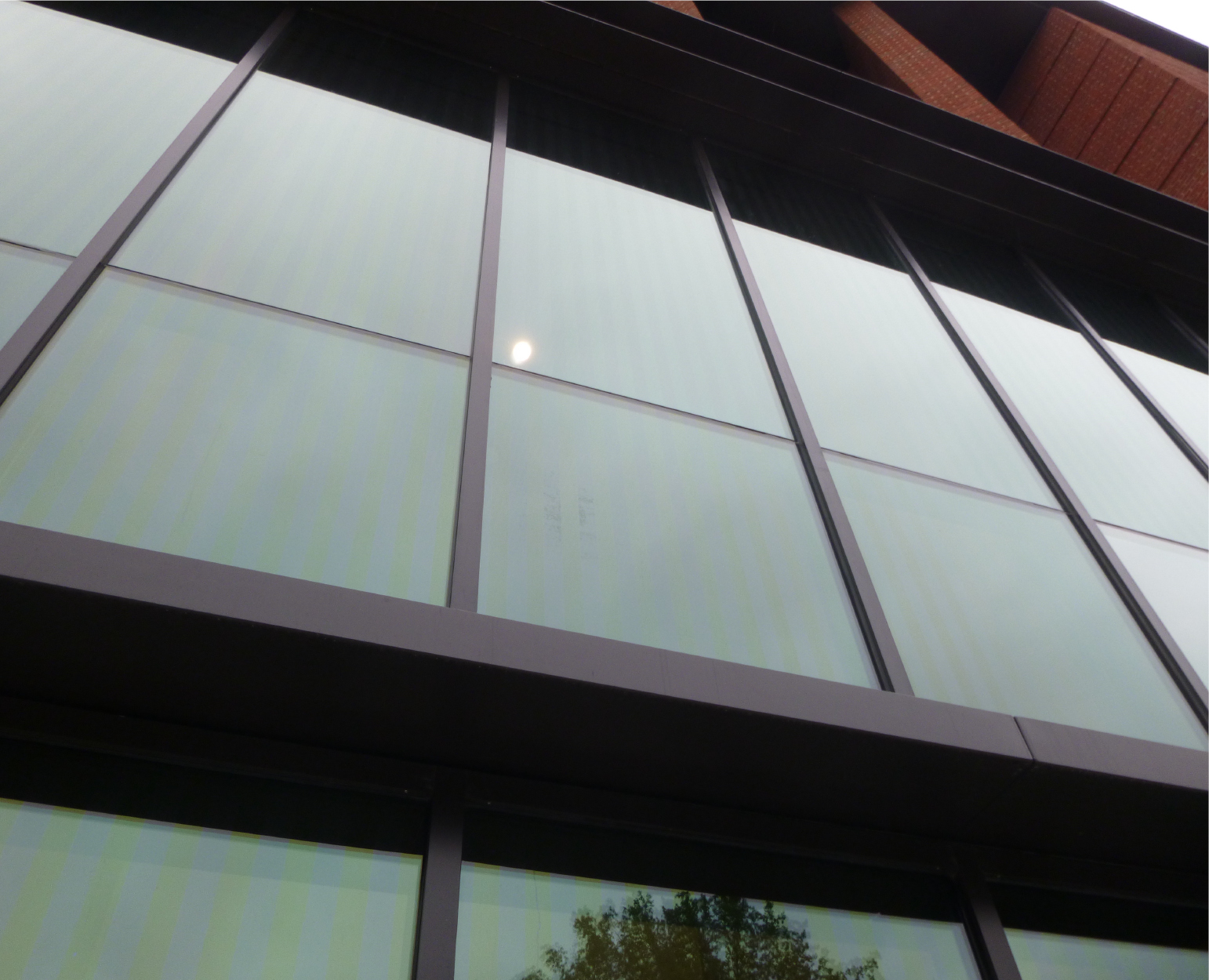
- Reflectivity: Reflections of trees, landscaping, and sky can make glass appear invisible.
- Building geometry: Certain architectural features create conditions that encourage birds to fly toward or through glazing.
Many people assume bird collisions primarily occur at large urban skyscrapers. In reality, collisions happen anywhere glass is present. Research cited by ABC indicates that many collisions occur at buildings only one to three stories tall, including homes, schools, and low-rise commercial buildings. Even on taller buildings, most strikes occur closer to the ground where birds interact with vegetation and landscaping.
For project teams, this means bird-friendly design should be considered on any project that incorporates glazing.
Responding to the Problem
As awareness of bird collisions has grown, bird-friendly design has evolved from a niche concern into an increasingly common project requirement. Municipalities, government agencies, universities, and private owners are adopting standards that encourage or require designers to address collision risks during project planning. While requirements vary by jurisdiction, the overall trend is clear: bird-friendly design is becoming a more formal part of building design and construction.
Several notable standards and regulations have helped shape current practice, including:
- New York City: Local Law 15, Bird Friendly Building Design
- Washington, DC: Law 24-337, Migratory Local Wildlife Protection Act of 2022
- Toronto, Canada: Bird-Friendly Guidelines
These requirements do more than specify products. Many require project teams to identify collision hazards, document mitigation strategies, demonstrate compliance, and incorporate bird-friendly considerations into the design process. As a result, understanding bird-collision risks is becoming increasingly important in facade design, whether a project is pursuing sustainability goals, responding to owner requirements, or meeting regulatory obligations.
Behind the Ratings: What Threat Factors Actually Measure
One of the most common metrics used in bird-friendly design is ABC’s Threat Factor rating, which represents the percentage of birds that fly toward a test sample compared with a control assembly. ABC defines bird-friendly materials as those with a Threat Factor of 30 or less. While Threat Factors are frequently referenced in specifications and ordinances, many designers may not realize what goes into generating those ratings.
A few years ago, I had the opportunity to visit the Carnegie Museum’s Powdermill Avian Research Center in southwestern Pennsylvania, where bird-collision testing is performed. The experience provided valuable insight into the science behind bird-friendly glazing.
Researchers use a specialized flight tunnel to evaluate glazing products under carefully controlled conditions. The testing process involves releasing a bird into a standardized testing tunnel, where a control sample and a test sample are placed behind netting at the opposite end, so the bird does not actually hit the glass. Birds that fly into the net are recorded as flights to the control or test sides.
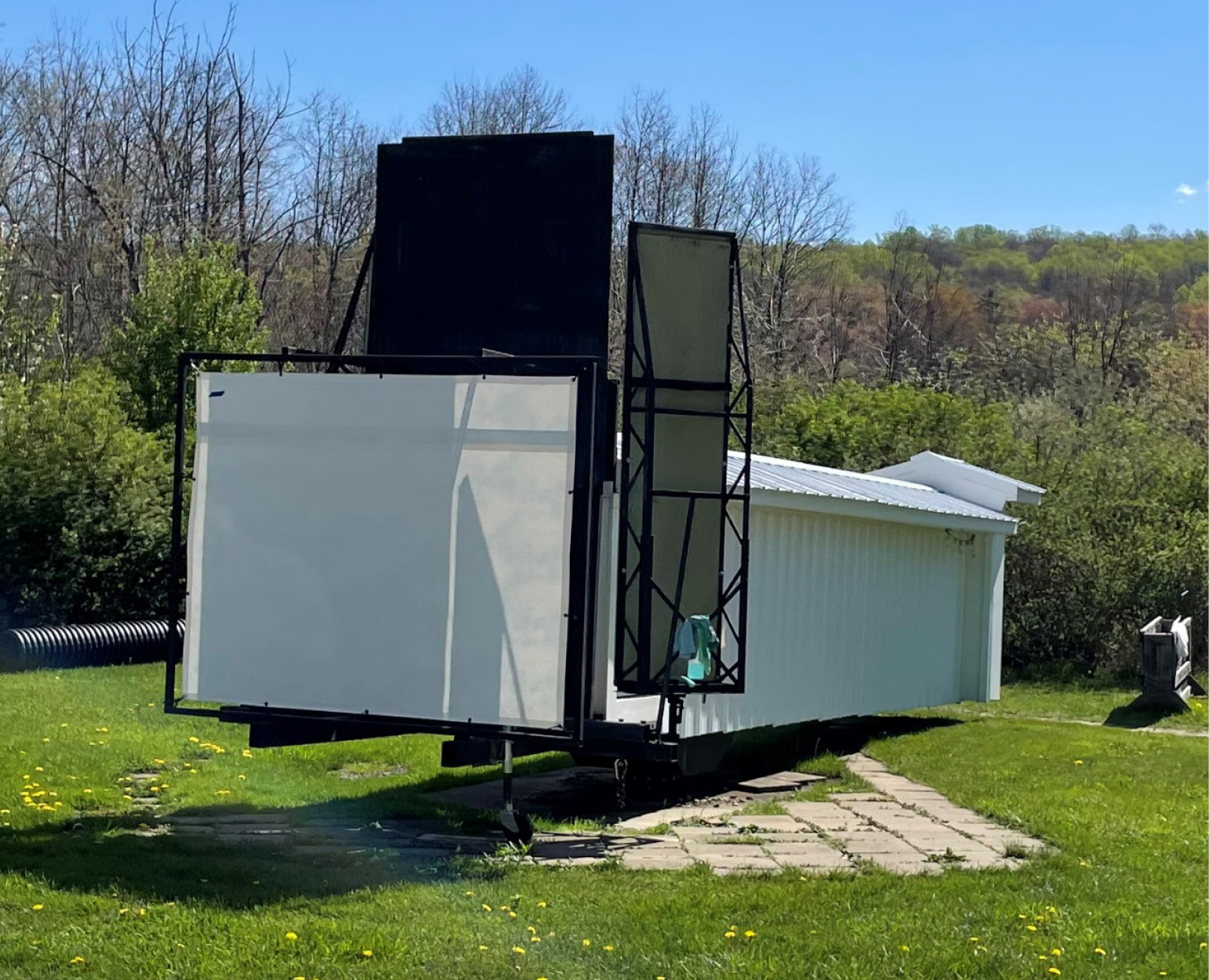
The testing process also includes:
- Maintaining consistent lighting conditions.
- Rotating test samples to reduce bias.
- Recording and reviewing individual flights.
- Meeting minimum testing thresholds before ratings can be assigned. ABC targets at least eighty tests per material.
Birds do not always cooperate with the testing, with some choosing to walk down the tunnel, hang from the walls, or simply not fly towards the test sample. These flights are not considered in the testing data. With a finite number of birds available each migration season, testing is limited to a relatively small number of products and is typically reserved for research or manufacturer product ratings.
The rigor of the process helps explain why certified ratings have become such an important resource for the design community. But at the same time, Threat Factors have limitations. Testing occurs in a controlled environment, while real buildings operate under highly variable conditions. Reflections, landscaping, orientation, habitat, and building geometry all influence real-world performance. As a result, Threat Factors should be viewed as an important design tool—not the only factor that determines whether a building will successfully reduce collisions.
Identifying Common Bird Traps
Some building features create conditions that are particularly hazardous to birds. Recognizing these conditions early allows designers to target mitigation measures more effectively.
- Glass guardrails: Glass guardrails can create open fly-through conditions, particularly when landscaping is located nearby. Birds may perceive a clear path through the space rather than recognizing the glass as a barrier.
- Transparent building corners: When multiple glass surfaces converge, birds may see directly through the corner and attempt to fly through what appears to be open air.
- Reflective facades: Depending on lighting conditions and viewing angles, glazing can mirror vegetation or sky so effectively that birds cannot distinguish reflections from reality.
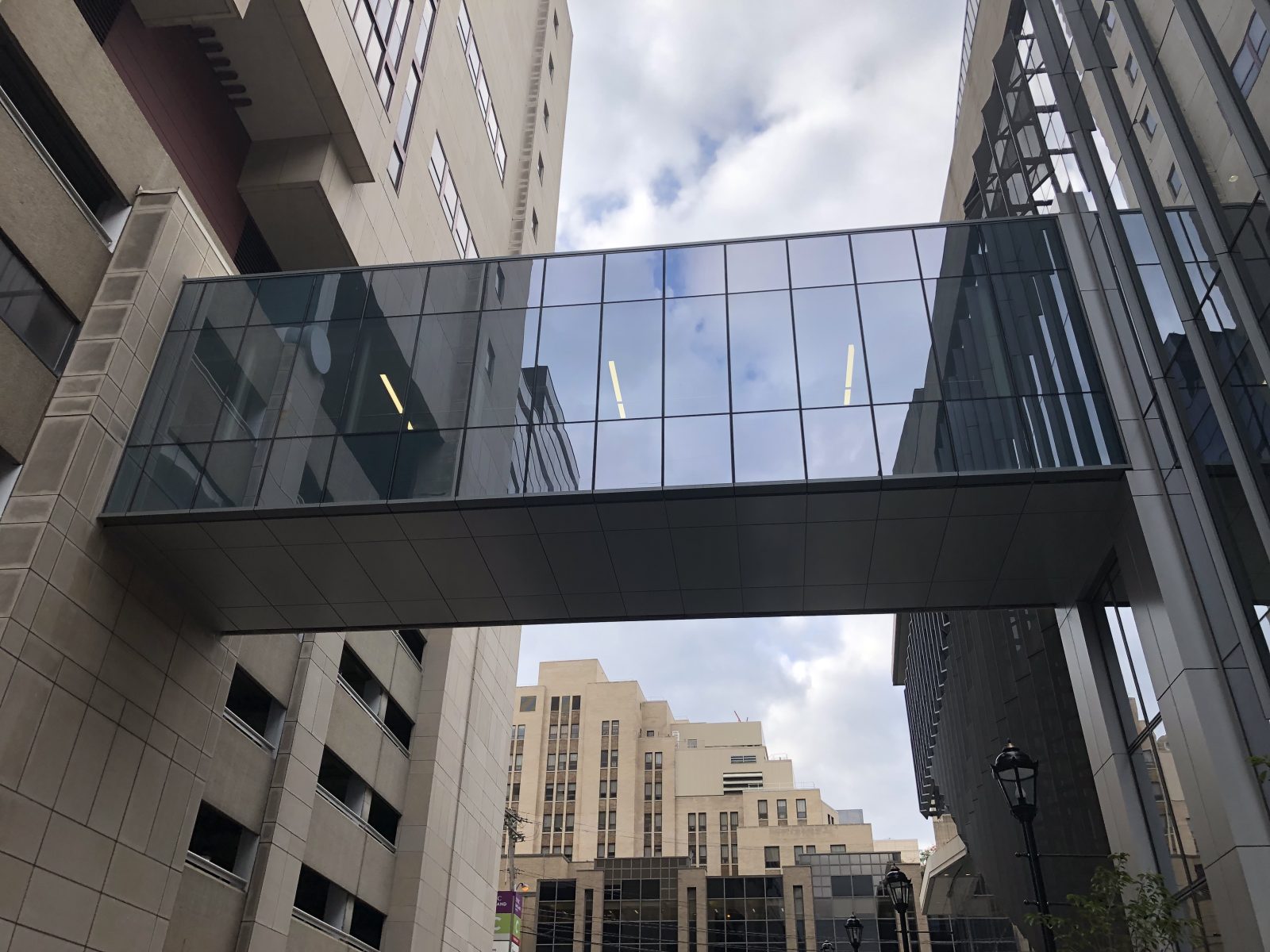
- Skybridges and glass pavilions: Elevated glazed structures often align with active bird flight zones while simultaneously creating transparency and reflection hazards.
These conditions do not necessarily need to be eliminated. Instead, they can help project teams identify where bird-friendly materials and detailing will provide the most benefit.
Bird-Friendly Glazing Technologies
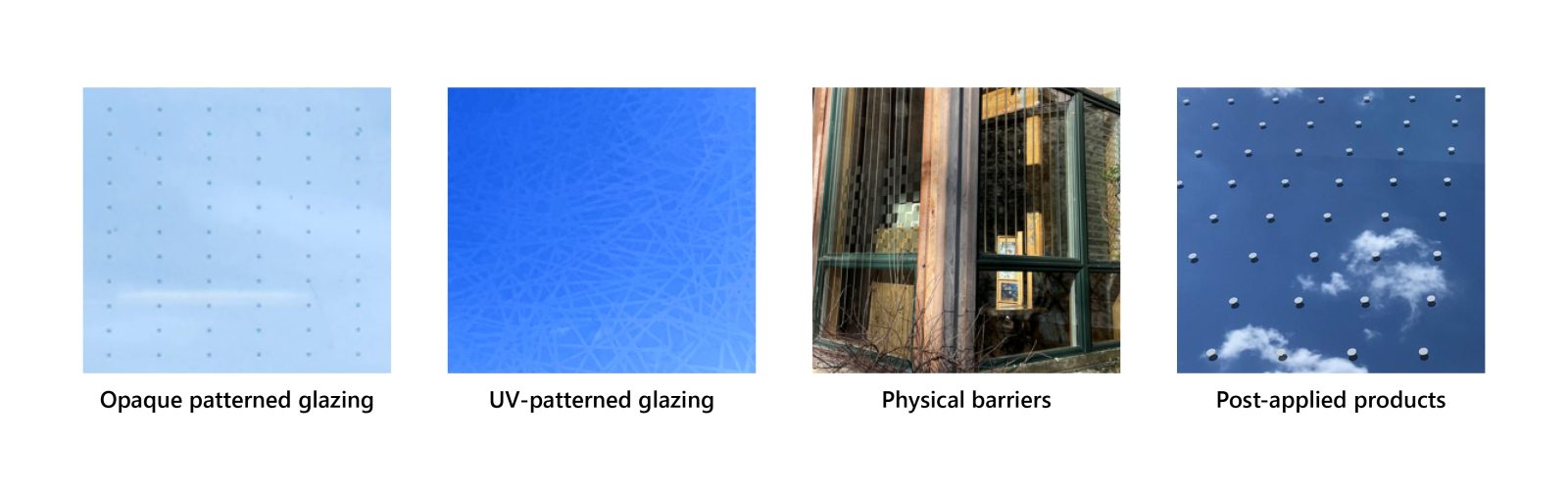
The industry now offers a range of strategies that can reduce bird strikes while supporting broader project goals. These approaches generally work by making glass more legible to birds, either through visible patterns, ultraviolet treatments, exterior barriers, or post-applied markers. Each option comes with different implications for appearance, durability, maintenance, cost, and performance, so the most effective solution depends on how the glazing will be used and where the collision risk is greatest.
These strategies include:
- Opaque patterned glazing: Visible markers such as ceramic frits, acid etching, and other patterned treatments create contrast that helps birds recognize glazing as a barrier. Performance depends on factors such as pattern size, spacing, visibility, and location within the glazing assembly.
- UV-patterned glazing: Because birds can see portions of the ultraviolet spectrum that humans cannot, UV-reflective coatings can make glazing more visible to birds while remaining relatively subtle to building occupants.
- Physical barriers: Physical deterrents may include screens, cables, rod systems, or exterior strings or similar devices. These systems can be highly effective in appropriate applications and may offer alternatives when glazing modifications are not feasible.
- Post-applied products: For existing buildings, post-applied markers can improve bird safety without requiring wholesale glazing replacement. This approach can offer a practical balance between sustainability and performance by extending the useful life of existing facade systems while reducing collision risks.
Integrating Bird-Friendly Design into the Design Process
One of the strongest themes emerging from current practice is that bird-friendly design works best when considered early. Whether teams are responding to local ordinances, owner requirements, or sustainability goals, a structured process can help guide decision-making:
- Understand applicable requirements and performance expectations.
- Identify bird traps and high-risk conditions.
- Select appropriate mitigation strategies.
- Review products through mockups and visual evaluations.
- Verify performance in service when feasible.
Mockups can be especially valuable because they allow owners and occupants to evaluate how bird-friendly products will appear under different lighting conditions. They can also help establish visual expectations before construction begins.
Looking Beyond Compliance
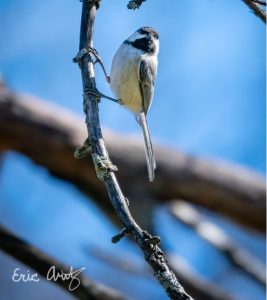
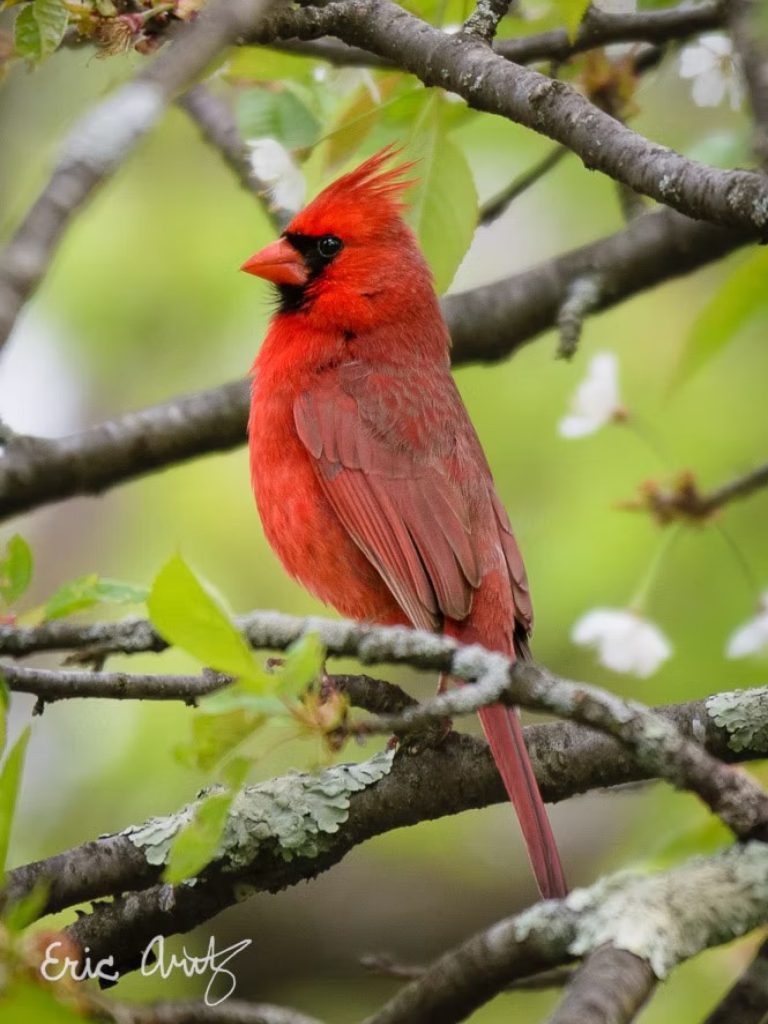
Black-capped chickadee, photo by Eric Arntzen.
As bird-friendly design continues to evolve, the conversation is increasingly shifting from compliance toward performance. Project teams today have access to product databases, testing programs, emerging regulations, and decades of research. The next step is understanding how those tools work together in real buildings.
The most successful projects recognize that bird-friendly design is not solely a glazing selection exercise. It is a process of understanding risk, identifying critical conditions, applying appropriate mitigation measures, and evaluating performance over time.
When approached that way, bird-friendly glazing becomes an opportunity to create buildings that better balance architectural goals, occupant experience, and environmental stewardship.