New York, NY
7 World Trade Center
Scope/Solutions
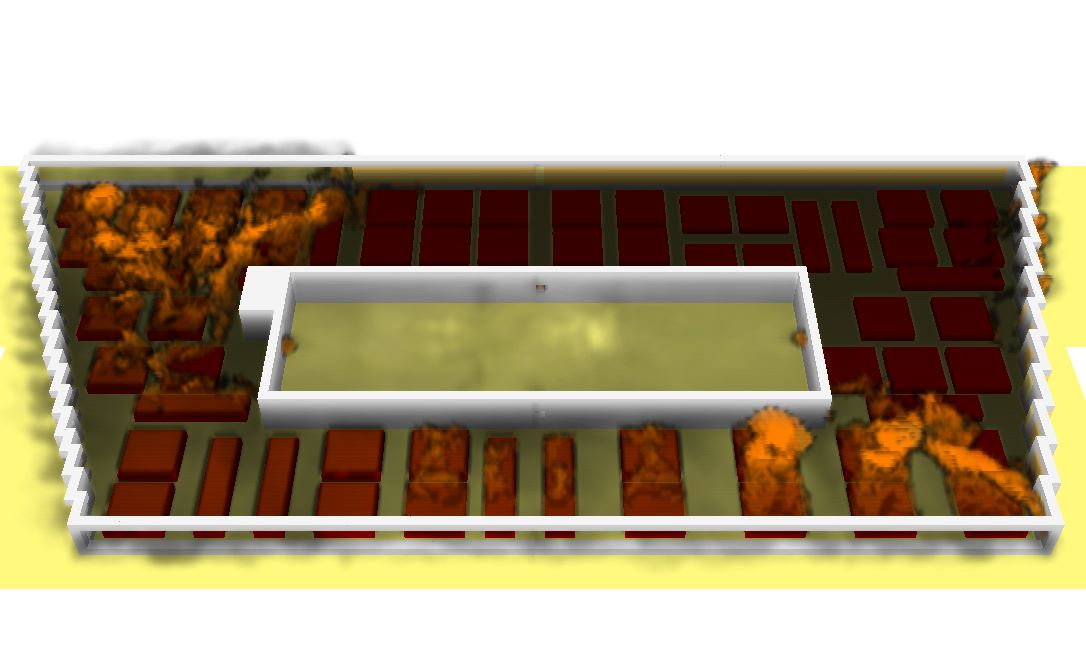
Falling debris from the collapse of the World Trade Center towers (WTC 1 and 2) damaged the building at 7 World Trade Center (WTC 7) and ignited fires. After several hours of fire exposure, WTC 7 also collapsed. SGH analyzed the fire environment in WTC 7 and the building’s thermal and structural response.
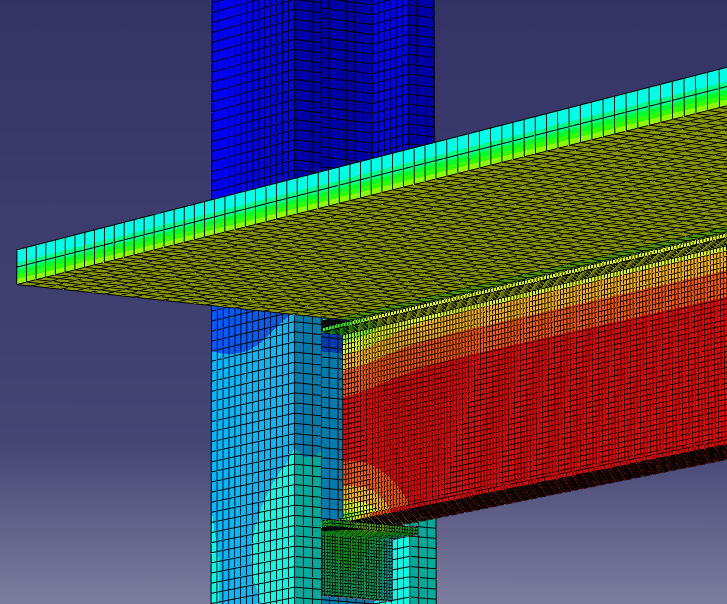
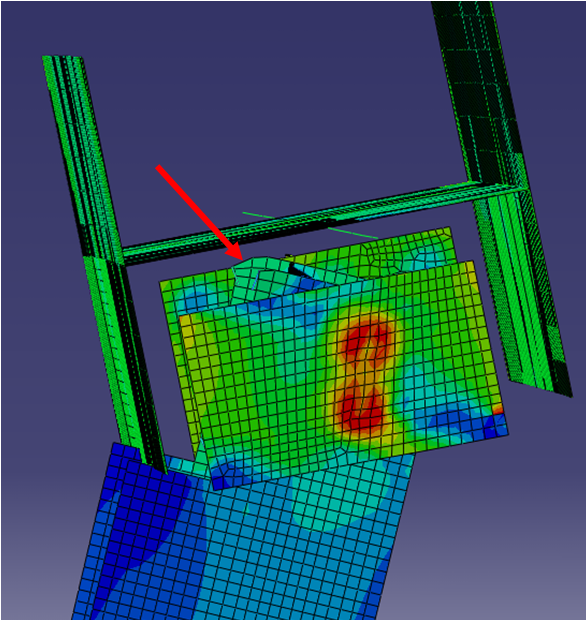
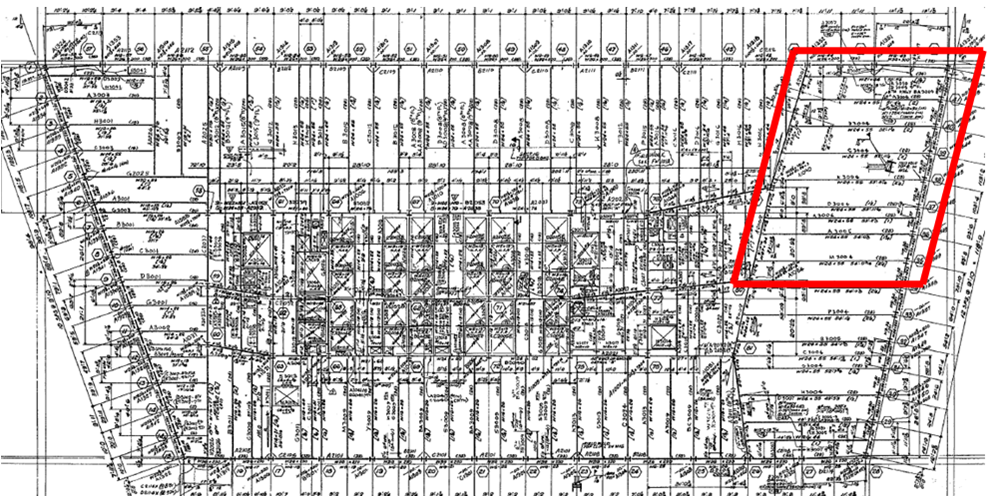
The primary objective of our computer modeling was to determine the steel temperature distribution and structural response of WTC 7’s northeastern section due to the fires that burned within the building.
Highlights of our computer modeling include the following:
- Modeled WTC 7’s northeast structural system, representing Floors 8 to 45
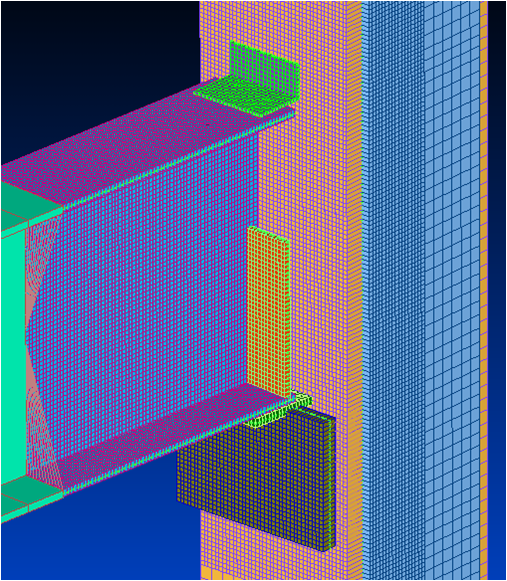
- Developed fire dynamics models to determine the heating environments, thermal models to determine the heat transfer to the structure, and structural models to determine the structural response
- Accounted for temperature-dependent properties of the structural members and connections, including thermal expansion, stiffness and strength degradation, and the failure modes of various connections
1 of 5
Project Summary

2008
Completion Date
Solutions
Failure Investigation
Services
Structures | Advanced Analysis | Performance & Code Consulting
Markets
Commercial
Client(s)
Clifford Law Offices
Specialized Capabilities
Computational Mechanics | Fire Life Safety & Accessibility
Additional Projects
Northeast
Verizon Building
The project architect recommended replacing the deteriorated limestone facade with precast concrete that would maintain the appearance of the building and SGH designed the supports for the new panels.
Northeast
Stop & Shop
Shop & Stop Store #539 is constructed with a rooftop parking deck over the supermarket. SGH was the engineer of record for a new split-slab waterproofing system design, and also evaluated and developed repairs to address concealed damage to the building structure and parking deck.