ABAA Quality Assurance Program Approaches for IECC Air Barrier Code Compliance

Whole-building air leakage testing is required in the 2024 International Energy Conservation Code (IECC) for most commercial buildings, with few exceptions. However, the 2021 IECC is the latest and most widely adopted version of IECC for commercial buildings in the United States, adopted by sixteen states and the District of Columbia as of 30 March 2026. For states that have adopted the 2021 Energy Code or an equivalent standard, the building envelope performance verification path is available as an alternative to meet air barrier code requirements without conducting whole-building testing.
The Air Barrier Association of America’s Quality Assurance Program (ABAA QAP) is an established program that supplements a third-party air barrier verification program or whole building thermal envelope testing program for commercial buildings, as defined and required in both the 2021 and 2024 IECC.
This article is based on unamended versions of IECC. Jurisdiction-specific amendments may change your air barrier requirements.
WHAT ARE AIR BARRIERS?
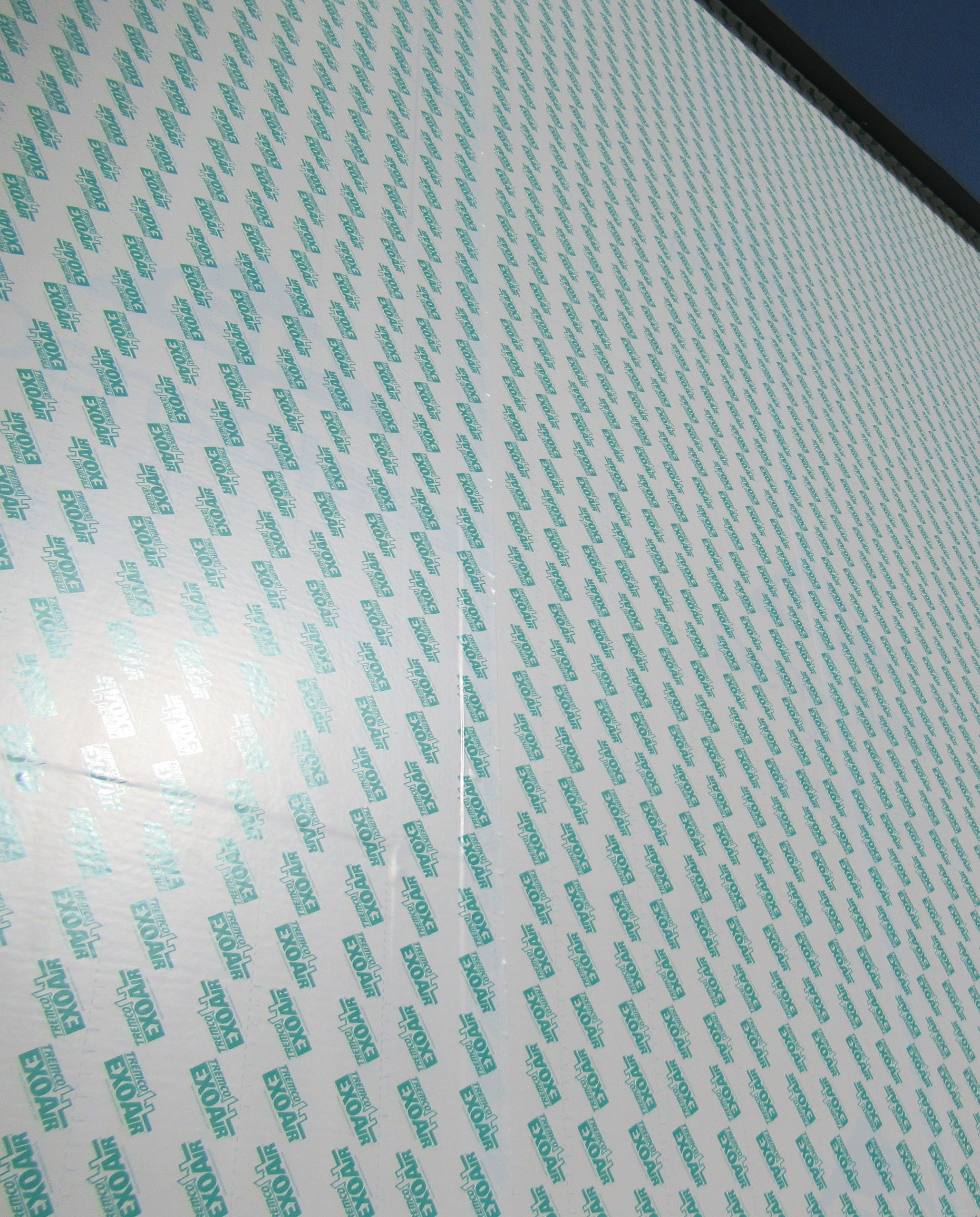
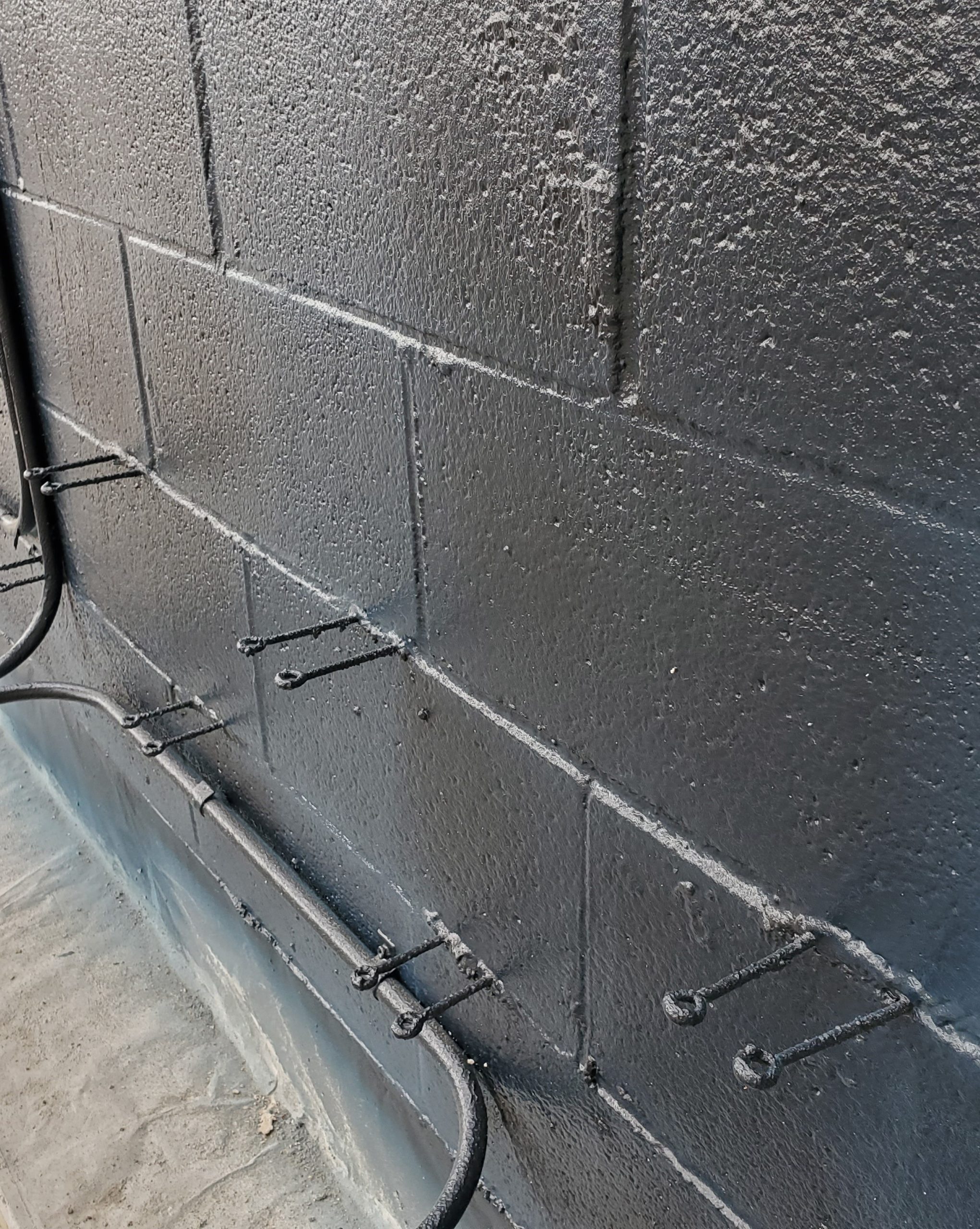
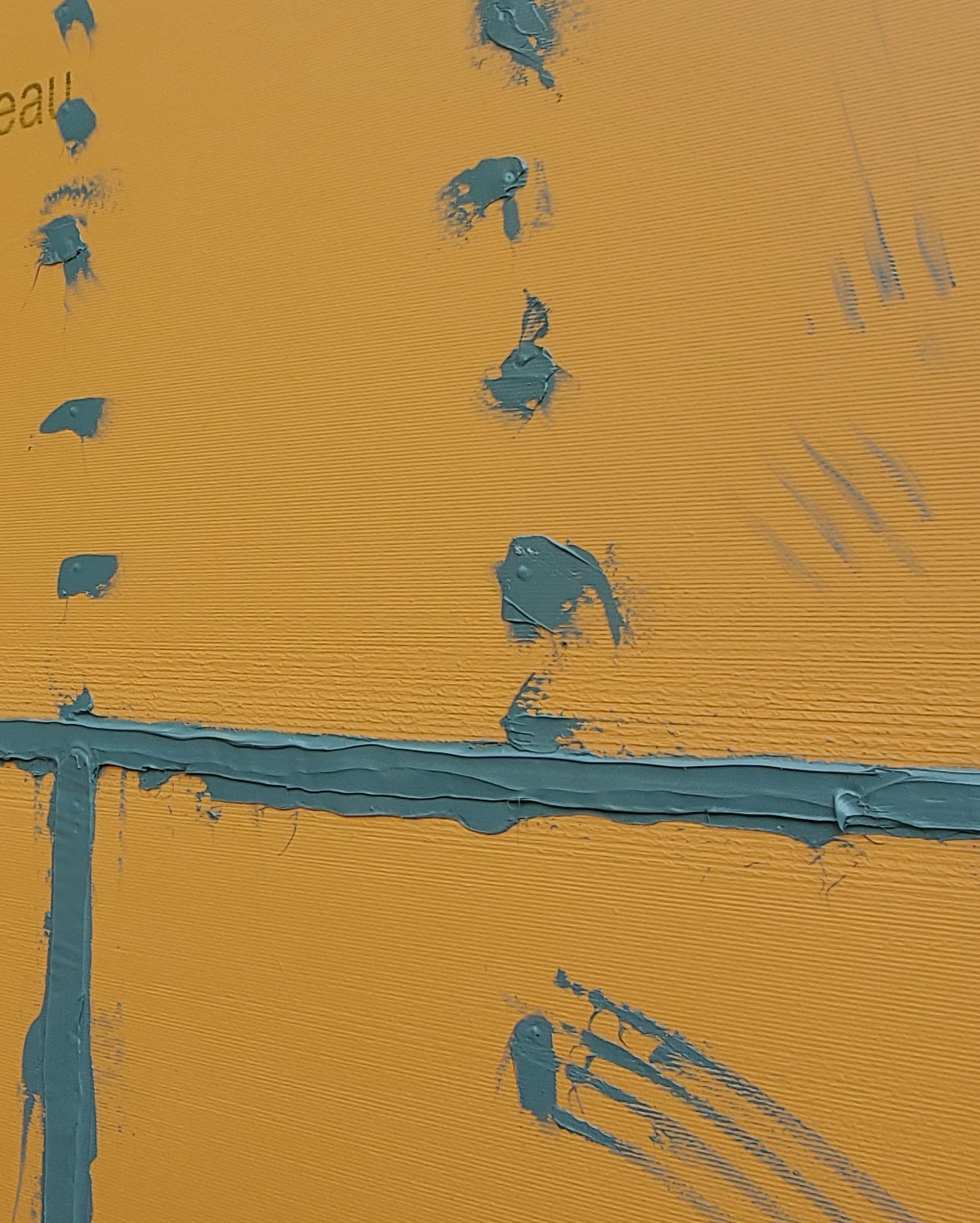
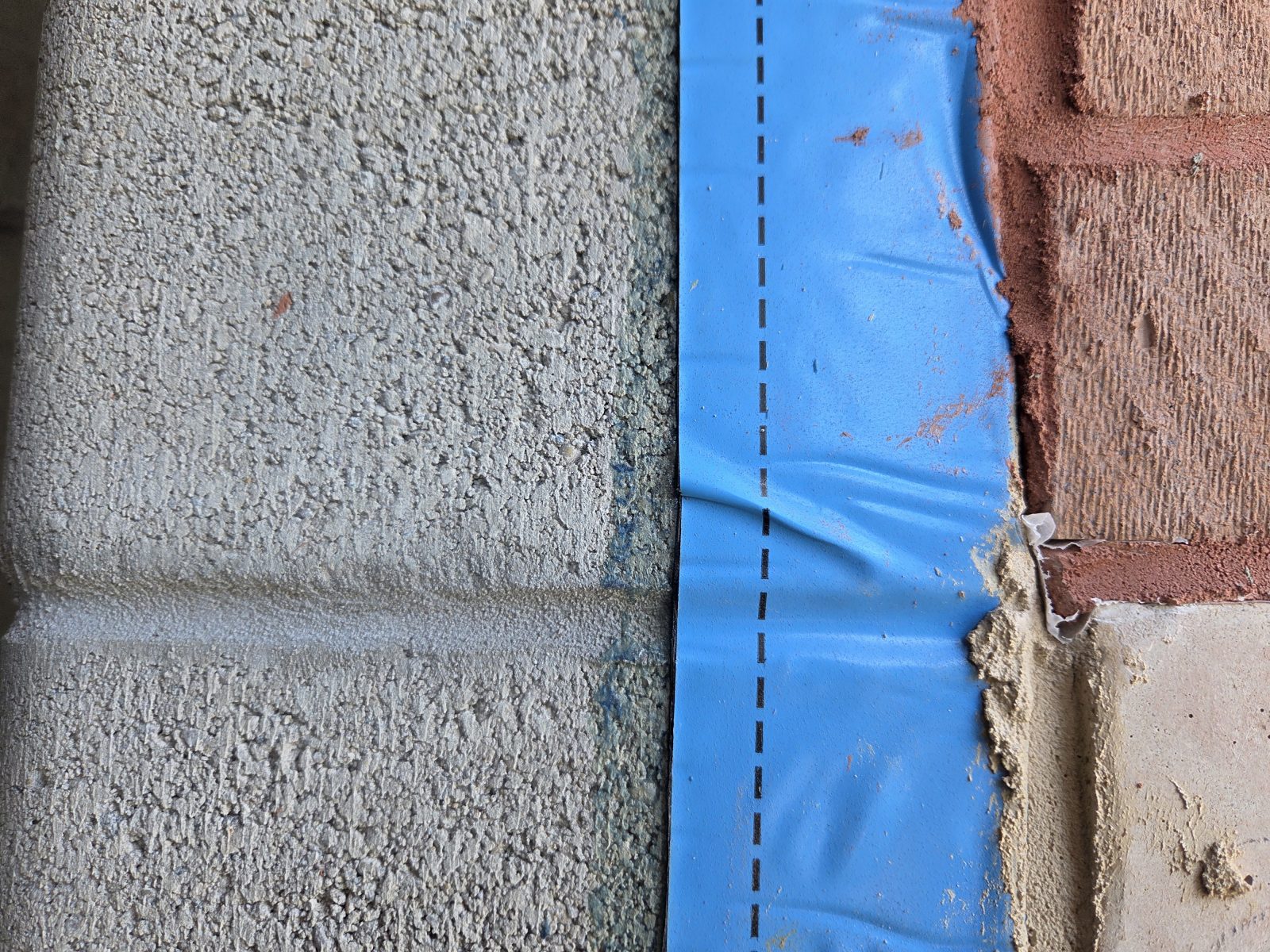
The IECC defines the air barrier as the following: “One or more materials joined together in a continuous manner to restrict or prevent the passage of air through the building thermal envelope and its assemblies.” Typically, in commercial buildings, the air barrier is a specific product with an air permeability not greater than 0.004 cfm/ft2 (0.02 L/s x m2) under a pressure differential of 0.3 in. water gauge (75 Pa) when tested in accordance with ASTM E2178. These products can be several different material types, including self-adhered (SA) membranes, sprayed or rolled fluid-applied (FA) membranes, factory-bonded membrane to sheathing, or others. All these types of products also perform as a water-resistive barrier and can be vapor permeable or impermeable. Other general construction materials can be used as an air barrier without providing water or vapor resistance, provided they are sealed together to form a continuous barrier.
According to both the 2021 and 2024 IECC, air barriers are required throughout the building thermal envelope, except in buildings located in Climate Zone 2B, which includes the hottest and driest areas of the United States (as shown on the map below). They can be located at any combination of inside, outside, or within the assembly of the building’s thermal envelope.
AIR BARRIER CODE REQUIREMENTS
According to C402.5 of the 2021 IECC for air leakage of the thermal envelope, buildings must comply with one of two paths:
- Whole building thermal envelope testing
- Building envelope performance verification
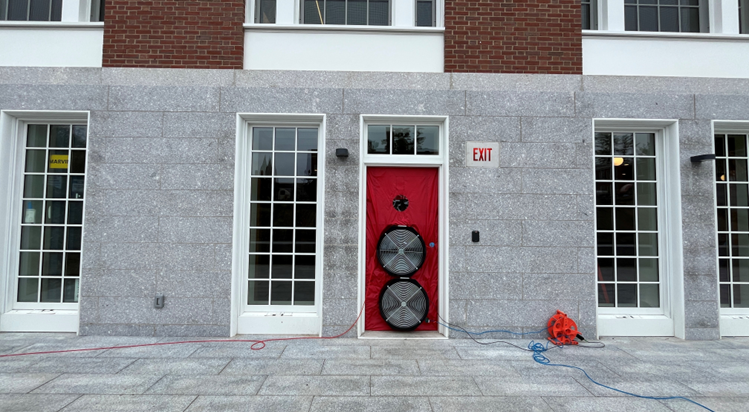
The whole building thermal envelope testing path requirements must be met by either performing testing in accordance with ASTM E779, ANSI/RESNET/ICC 380, and ASTM E1827 and not exceeding 0.40 cfm/ft2 (2.0 L/s x m2) at a pressure differential of 0.3 inch water gauge (75 Pa), or by performing testing using an alternative method, which includes testing portions of the building for area weighted averages.
Additionally, a third-party testing agency must review project documents to verify that the air barrier is designed to be continuous throughout the building’s thermal envelope.
The building envelope performance verification path requires that the air barrier’s installation be verified by a registered design professional through a review of construction and supporting project documents, construction inspections, and a final commissioning report.
Additionally, materials or assemblies must be verified to meet appropriate property requirements to qualify as an air barrier, and fenestration must meet criteria for maximum air leakage rates identified in Table C402.5.4.
According to C402.6 of the 2024 IECC for air leakage of the building thermal envelope, air barriers must be tested, and the air barrier design and installation must be reviewed
and documented.

ABAA QAP OVERVIEW
The ABAA QAP is a program developed in response to new IECC code requirements for air barriers in 20121 that aims to ensure proper material and installation practices on the jobsite through an inspection program delivered by licensed ABAA auditors and accredited ABAA contractors.
If the ABAA QAP is specified for a project, both the air barrier installer and auditor will have been trained by ABAA in best practices for air barrier installation. The air barrier subcontractor company must be an ABAA Accredited Contractor, and the installers must be certified or registered by ABAA. ABAA Certified Installers are required to be on site for all air barrier installations and must review all work and document products, testing, observations, and repairs in daily jobsite reports issued to ABAA for review.
A Licensed ABAA Auditor is assigned to jobs that specify the ABAA QAP. They are industry professionals subcontracted by ABAA to perform audits, the number of which per job is determined by the installed air barrier’s square footage. The QAP requires that the auditor review all installed air barriers before they are covered.
The ABAA auditor provides the following scope of work:
- Review project specifications and manufacturer’s written literature
- Review installer’s paperwork
- Check storage and manufacture/expiry dates of materials on the job
- Inspect substrates and air barrier installation
- Conduct testing for thickness, adhesion, and density (for spray polyurethane foam) of installed air barrier
- Prepare a report that is reviewed by ABAA and subsequently issued to the project team
USING THE ABAA QAP TO MEET CODE REQUIREMENTS
The ABAA QAP is an established program of great value that improves project quality by requiring a trained installer to install the air barrier using industry best practices and a licensed auditor to inspect installation and identify deficiencies to be repaired. Even in conjunction with building enclosure commissioning (BECx), the QAP provides supplemental value without much scope overlap.
However, ABAA auditors do not review contract documents other than the air barrier project specification. This leaves a gap in the code-required verification program that verifies the air barrier is being installed per the contract documents. A third-party professional would still be required to perform the project document review and prepare the final commissioning report in accordance with the 2021 IECC building envelope performance verification path, for which the ABAA audit reports could be used as supplemental documentation.
While a third-party registered design professional should be hired to fulfill the requirements of the 2021 IECC’s air barrier building envelope performance verification path, ABAA QAP provides an established and efficient program that would enhance and supplement the work of the third-party professional.
TAKEAWAYS AND CONCLUSIONS
Owners and architects should consider requiring and specifying the ABAA QAP when designing a new building, or a new enclosure system for an existing structure, under the 2021 IECC or an equivalent or more stringent code. Whether the project requires whole building thermal envelope testing or building envelope performance verification, the ABAA QAP provides great value.
It is always better to review an installation than go back later and repair the air barrier after it has been covered up. Verifying that the air barrier installation was performed properly before cladding installation is a major step that project teams can take to minimize costly delays caused by failed air leakage testing and repairs. This is why, in the 2024 IECC, documentation of design and installation review is required along with whole building thermal envelope testing.
Additionally, a thorough review of the installation by an ABAA auditor and a third-party professional at different stages of construction may reduce both construction time and cost, and improve the performance quality of the exterior enclosure. Project teams should not hesitate to specify the ABAA QAP in conjunction with engaging a building enclosure consultant or BECx professional.
1 Air Barrier Association of America (ABAA). “Technical Note #1 – Air Barriers.” ABAA Technical Note, 5 Sept. 2019, https://airbarrier.org/resource-library/.