Pittsburgh, PA
Chatham University, Eden Hall Campus
Scope/Solutions
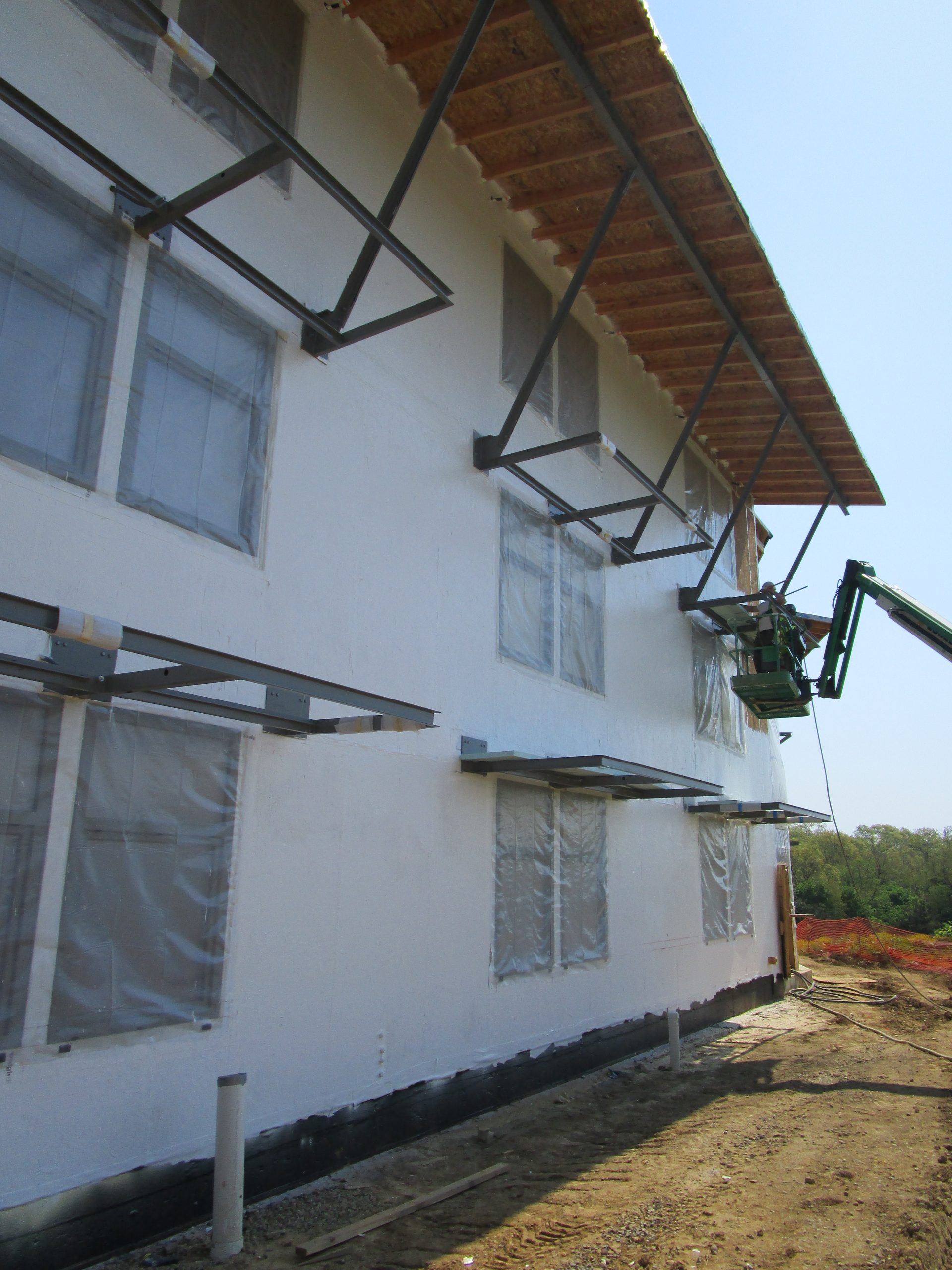
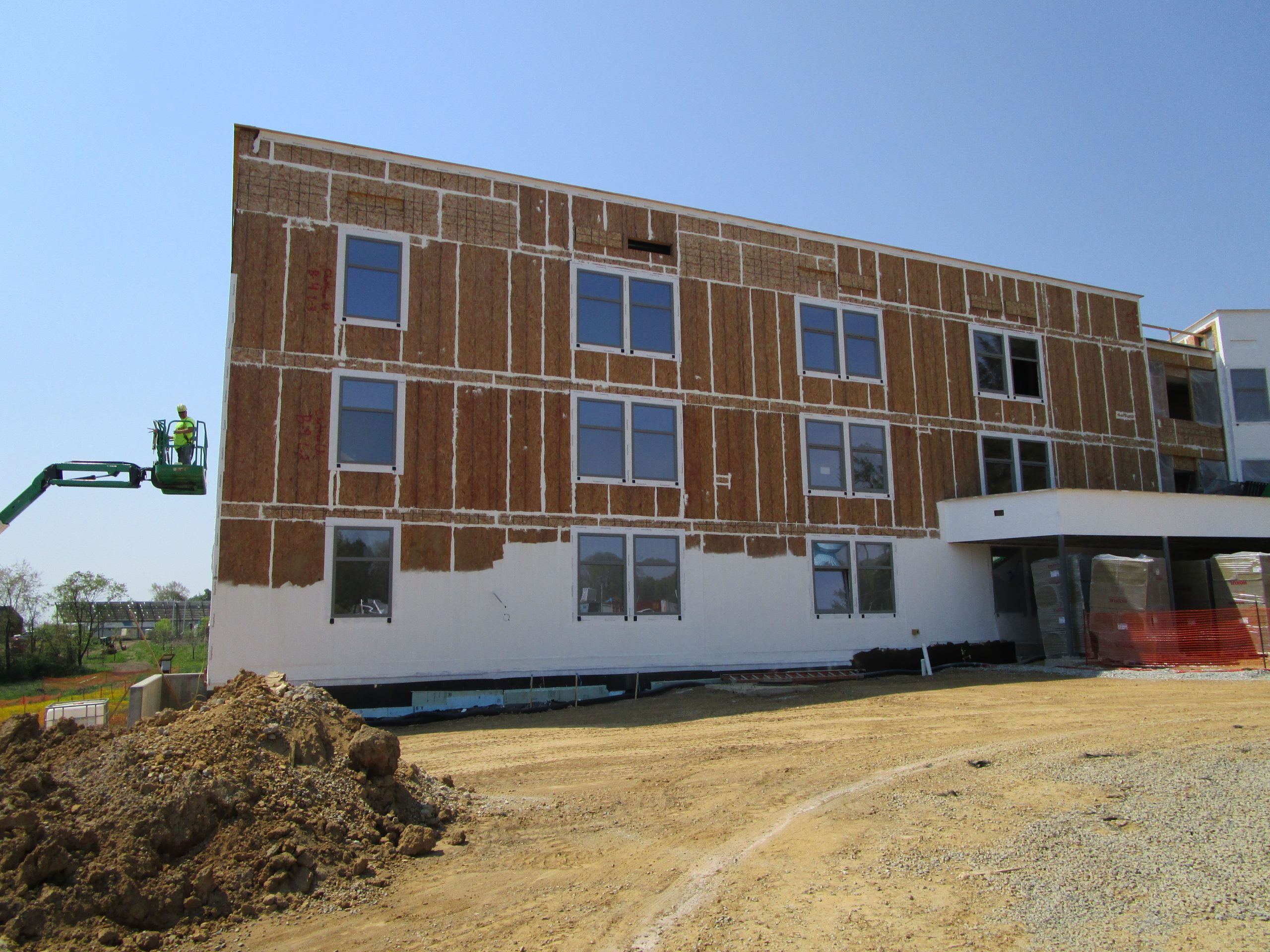
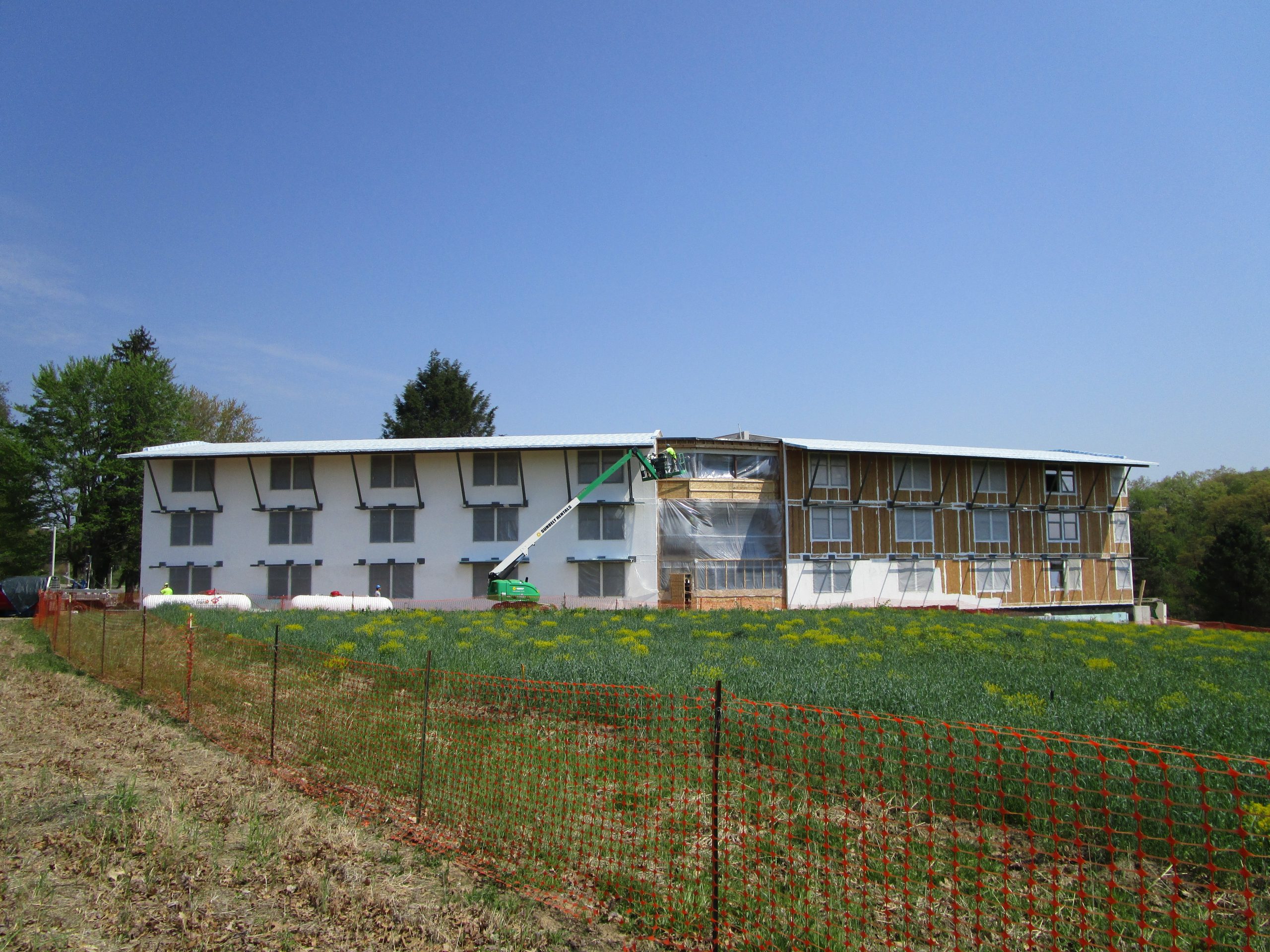
After receiving a 388-acre donation, Chatham University set out to create the world’s first net-positive campus and a new home for the Falk School of Sustainability. The campus goals include water reuse, net positive energy production, and zero waste. SGH consulted on the building enclosure design for the first phase, which includes a new residence hall, field lab and hoop house, cafe, dining hall, classrooms, outdoor gathering spaces, and supporting infrastructure to serve the first 250 residential students.
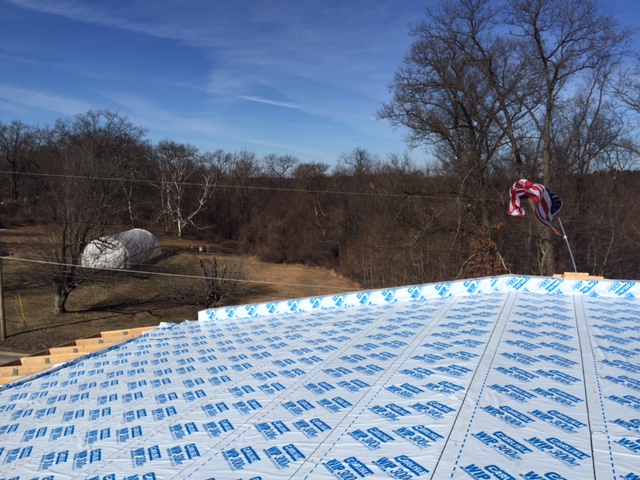
SGH consulted on the design of below-grade waterproofing, curtain wall and window systems, exterior walls, and low- and steep-slope roofing. Highlights of our work include:
- Reviewing the building enclosure design for airtightness, watertightness, thermal performance, condensation resistance, and constructability, and recommending ways to improve performance
- Helping select systems, such as wall cladding and underlayments
- Evaluating waterproofing system alternates, including weather barriers and roofing systems
- Developing details to integrate the various assemblies with each other and with other building enclosure systems
- Providing construction phase services, including reviewing building enclosure submittals and helping the project team address field conditions
1 of 4
Project Summary

2015
Completion Date

50M
Construction Value

42K
Project Size
Solutions
New Construction
Services
Building Enclosures
Markets
Education
Client(s)
Mithun
Specialized Capabilities
Roofing & Waterproofing
Key team members

Craig Allender
Managing Principal, Building Technology, San Francisco Bay Area


Additional Projects
Mid-Atlantic
Germantown Academy
Germantown Academy developed a multi-phase master plan to enhance their space and to gain a closer connection to the surrounding environment. SGH was the structural engineer for the project and consulted on the building enclosure design.
Mid-Atlantic
Johns Hopkins University, Mattin Center
The Mattin Center, which consists of three buildings devoted to student activities and performing arts, suffered from water infiltration since opening 2001. Johns Hopkins University (JHU) retained SGH to investigate the cause of the issues and design repairs.