Webinar
Webinar
Metallurgical Analysis of Fire-Exposed Structures: Is the Metal Still Usable?
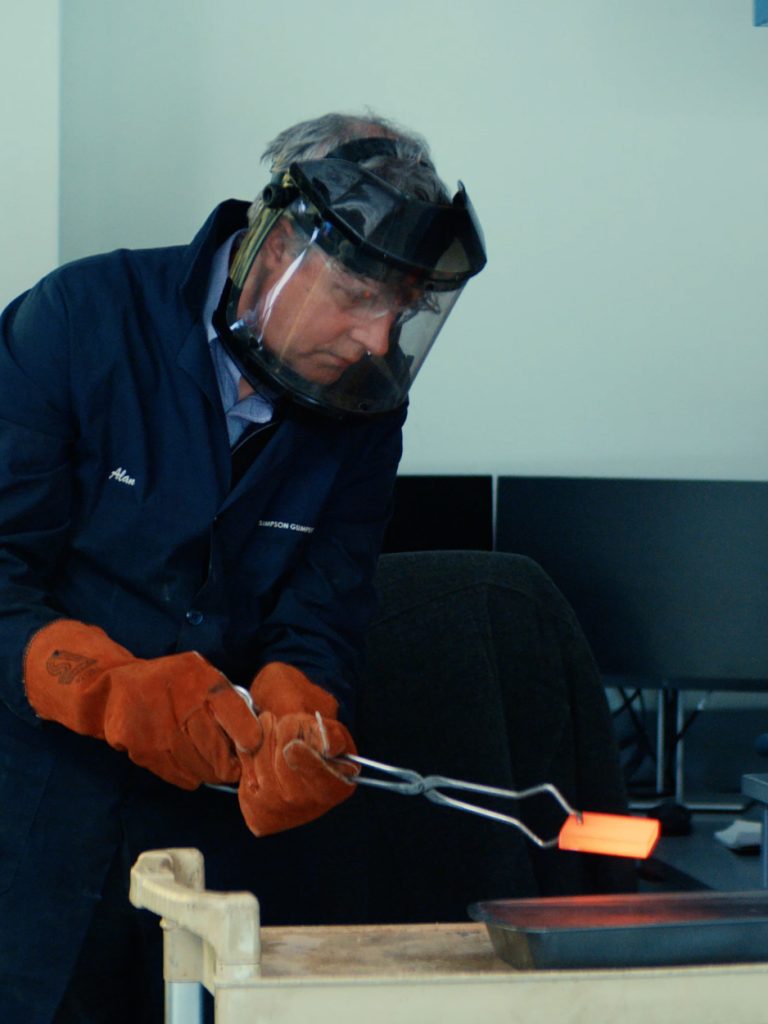
Metals are crystalline materials whose structure and properties can be changed by heat treatment. Metallic components are typically processed to provide specific properties for an application. In the event of a fire, however, these components undergo an unplanned heat treatment that can significantly alter those properties. In this webinar, we will outline the different classes of metal alloys typically found in a building and share how they can be affected by fire exposure. We will discuss how metal properties like strength, toughness, and corrosion resistance can change after these events and explore the impact of thermal distortion. We will also review methods of assessing fire-damaged components, including non-destructive and laboratory testing, and discuss how fire-damaged metallic components can be rehabilitated for future use.
LEARNING OBJECTIVES
After attending this webinar, participants will be able to:
- Understand how the properties of metals can change during a fire event.
- Recognize the metal components that are most susceptible to fire damage.
- Identify the most suitable test methods for testing fire-exposed metals.
- Discuss how fire-exposed structures can be rehabilitated for future use.
Participants will earn 1 AIA CES Learning Unit (LU/HSW) for attending the seminar. Registration is free. Please note that space is limited – email events@sgh.com to join our waitlist if the session is closed when you register.
About the Speaker

Alan Humphreys | Senior Technical Manager
Alan Humphreys is a metallurgical engineer specializing in failure analysis and structural assessment for degraded materials systems caused by corrosion, fracture and fatigue, or wear. His technical background includes laboratory testing and analysis to ASTM International, NACE International, and American Petroleum Institute standards, as well as the design of fitness-for-purpose experimentation. Alan works on a range of projects involving structures, petrochemical, transportation, and materials processing.