California Reimagined: Adapting Contemporary Buildings (Series Part 4)
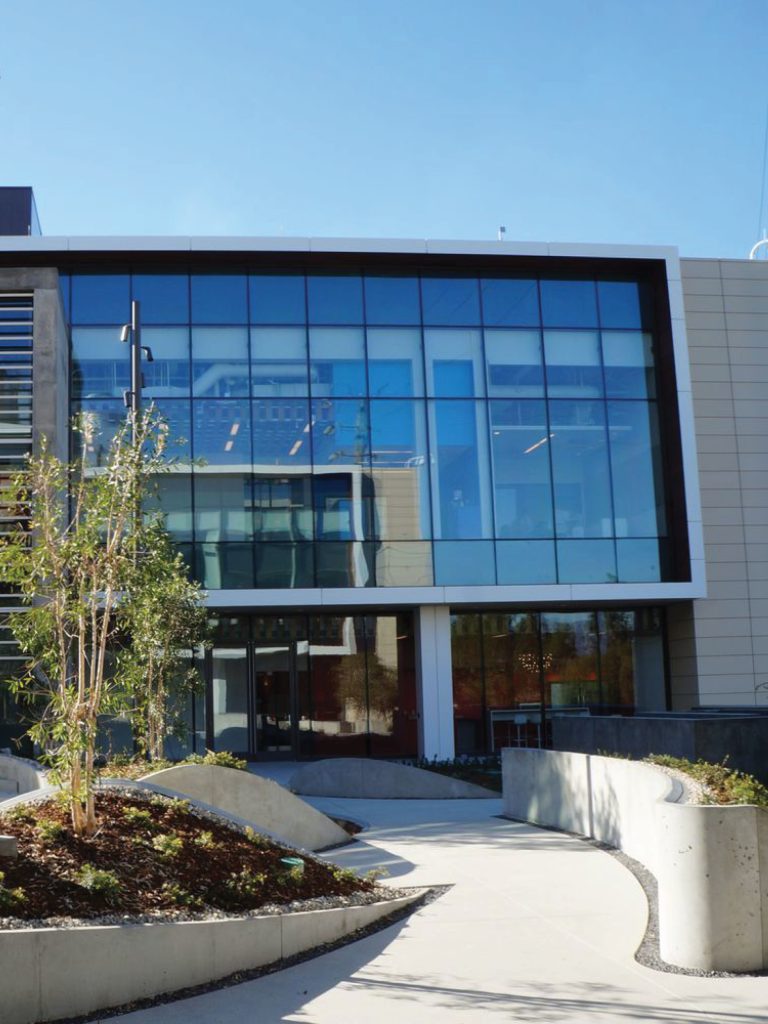
Join us for this five-part series on adaptive reuse and repositioning projects in California. Each 90-minute webinar will bring together engineers, architects, developers, and other AEC experts to share practical insights and real-world examples.
Adaptive reuse of contemporary, non-historic buildings presents a distinct set of challenges compared to older structures. While these projects may avoid preservation constraints, a change in the building’s use often triggers significant structural, seismic, fire life safety, and accessibility upgrades. This session will explore how project teams navigate these requirements while preserving the value, character, and design intent of the original building.
Speakers will discuss common code implications tied to change of use—including seismic strengthening, egress and vertical transportation upgrades, and fire protection improvements—along with the practical considerations that influence how these changes are implemented. The session will also examine how emerging California housing initiatives and new regulatory pathways are reshaping opportunities for adaptive reuse of contemporary buildings. Attendees will gain a clearer understanding of the technical, regulatory, and design factors that shape these projects and the strategies that help maintain both feasibility and design vision.
LEARNING OBJECTIVES
After attending this session, participants will be able to:
- Understand the primary code triggers associated with changing the use of contemporary buildings in California, including structural, seismic, and fire life safety requirements.
- Recognize strategies for implementing required upgrades while preserving the design intent and functional value of the existing building.
- Identify common challenges related to egress, vertical transportation, and accessibility when adapting newer structures for different uses.
- Describe how recent statewide housing initiatives and regulatory pathways influence the feasibility and approach to adaptive reuse in contemporary buildings.
ABOUT THE SERIES
California Reimagined: Adaptive Reuse and Repositioning Insights for the Built Environment
Adaptive reuse—the practice of transforming existing buildings for new purposes—has become an increasingly essential strategy in California for meeting housing needs, revitalizing communities, and reducing the environmental footprint of new development. But as owners, developers, and project teams lean into these projects, they also encounter a distinct set of technical, regulatory, and economic challenges. Existing buildings often come with hidden conditions, legacy systems, and complex code triggers. Upgrading them for new occupancies—especially housing—can require expensive structural, accessibility, and life-safety improvements. At the same time, the financial math of adaptive reuse is often tight, forcing teams to solve problems with creativity rather than capital.
These constraints shift how decisions get made. They affect when to preserve versus replace, how to sequence investigations and evaluate which improvements meaningfully reduce risk, and where performance-based approaches can offer flexibility without compromising safety. Adaptive reuse projects demand interdisciplinary collaboration, inventive detailing, and a willingness to revisit assumptions when field conditions, budgets, or agency feedback change. The work sits at the intersection of preservation, modernization, and long-term resilience—but it also depends on navigating feasibility in a cost-constrained reality.
In this five-part webinar series, we bring together engineers, architects, developers, investment professionals, and other experts to explore the evolving landscape of adaptive reuse in California. Through engaging discussions and real-world case studies, the series will examine crucial themes—from early feasibility and historic-building considerations, to office-to-residential conversions, code implications for contemporary structures, and the integration of new amenities into existing buildings. Attendees will gain practical insights, learn about emerging policies and local processes, and hear a range of perspectives on how to approach these projects with both pragmatism and imagination.
Join us for the rest of the series: 
- Wednesday, January 14: Introducing Adaptive Reuse and Repositioning (Part 1)
- Wednesday, January 21: Preserving Historic Buildings (Part 2)
- Wednesday, January 28: Overseeing Office-to-Residential Conversions (Part 3)
- Wednesday, February 4: Adapting Contemporary Buildings (Part 4)
- Wednesday, February 11: Adding Amenities and Repurposing Spaces in Existing Buildings (Part 5)
Participants will earn 1.5 AIA CES Learning Unit (LU/HSW) for attending the webinar. Registration is free. Please note that space is limited – email events@sgh.com to join our waitlist if the session is closed when you register.
About the Speaker

Tom Jaleski focuses on creative solutions for even the most mundane code issues, with broad experience helping project teams navigate building, fire, and accessibility codes for new, existing, and historic buildings. He specializes in interpreting complex requirements, assessing existing conditions, and developing creative custom compliance strategies that balance safety, innovation, and project goals. With architecture experience across commercial, assembly, residential, aviation, and storage facilities nationwide, Tom is known for collaborating closely with architects, engineers, and building officials to resolve challenging code issues and secure alternative compliance approvals. He brings a creative, solutions-oriented approach to every project, helping clients achieve safer and more effective built environments
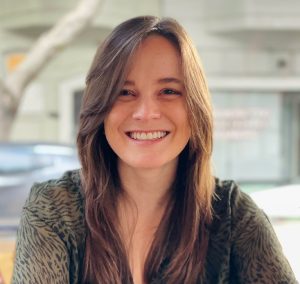
Megan Ladd has extensive experience in structural analysis, new design, and rehabilitation of buildings across California. Her portfolio spans the design and construction of buildings across a large range of types and sectors—including high-end residential, retail, commercial, and institutional buildings—with experience in steel, concrete, timber, and masonry systems. Her work includes seismic assessment and retrofit, and the repair of aging or distressed structures, bringing a thoughtful and technical approach to both new and existing building challenges.
 View All Events