California Reimagined: Overseeing Office-to-Residential Conversions (Series Part 3)
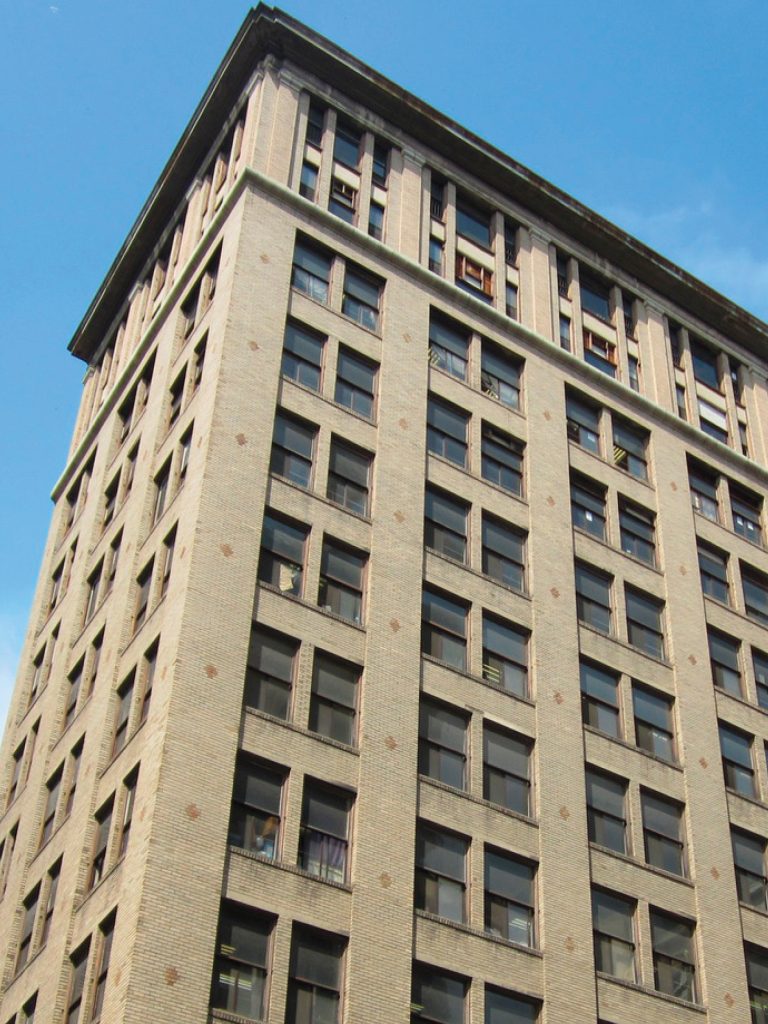
Join us for this five-part series on adaptive reuse and repositioning projects in California. Each 90-minute webinar will bring together engineers, architects, developers, and other AEC experts to share practical insights and real-world examples.
Across California, office-to-residential conversions are emerging as a key strategy for addressing housing shortages, revitalizing downtown districts, and reimagining underused commercial properties. Yet these projects present a unique mix of technical, regulatory, and market-driven challenges. This session will explore the factors that influence whether an office building is a strong candidate for conversion and the design considerations that shape a successful transformation.
Speakers will discuss the physical and geometric constraints common to office buildings—such as floor plates, window operability limitations, and mechanical system requirements—as well as the code and life-safety implications triggered by a change in occupancy. The session will also outline the incentives and policy efforts underway in several California cities to support the feasibility of conversion. Attendees will gain insight into how project teams balance practicality, creativity, and compliance while navigating entitlements to deliver residential environments that meet modern expectations while leveraging the existing building’s strengths.
LEARNING OBJECTIVES
After attending this session, participants will be able to:
- Identify the key physical, structural, and planning considerations that influence the feasibility of office-to-residential conversions.
- Understand how a change in occupancy triggers structural, life safety, enclosure, and energy-related code requirements in California.
- Recognize common design challenges—such as unit layout constraints, mechanical system upgrades, and introducing operable windows to allow for fresh air and meet energy requirements.
- Describe the role of local incentives and policy initiatives in improving project viability for office-to-residential conversions.
ABOUT THE SERIES
California Reimagined: Adaptive Reuse and Repositioning Insights for the Built Environment
Adaptive reuse—the practice of transforming existing buildings for new purposes—has become an increasingly essential strategy in California for meeting housing needs, revitalizing communities, and reducing the environmental footprint of new development. But as owners, developers, and project teams lean into these projects, they also encounter a distinct set of technical, regulatory, and economic challenges. Existing buildings often come with hidden conditions, legacy systems, and complex code triggers. Upgrading them for new occupancies—especially housing—can require expensive structural, accessibility, and life-safety improvements. At the same time, the financial math of adaptive reuse is often tight, forcing teams to solve problems with creativity rather than capital.
These constraints shift how decisions get made. They affect when to preserve versus replace, how to sequence investigations and evaluate which improvements meaningfully reduce risk, and where performance-based approaches can offer flexibility without compromising safety. Adaptive reuse projects demand interdisciplinary collaboration, inventive detailing, and a willingness to revisit assumptions when field conditions, budgets, or agency feedback change. The work sits at the intersection of preservation, modernization, and long-term resilience—but it also depends on navigating feasibility in a cost-constrained reality.
In this five-part webinar series, we bring together engineers, architects, developers, investment professionals, and other experts to explore the evolving landscape of adaptive reuse in California. Through engaging discussions and real-world case studies, the series will examine crucial themes—from early feasibility and historic-building considerations, to office-to-residential conversions, code implications for contemporary structures, and the integration of new amenities into existing buildings. Attendees will gain practical insights, learn about emerging policies and local processes, and hear a range of perspectives on how to approach these projects with both pragmatism and imagination.
Join us for the rest of the series: 
- Wednesday, January 14: Introducing Adaptive Reuse and Repositioning (Part 1)
- Wednesday, January 21: Preserving Historic Buildings (Part 2)
- Wednesday, January 28: Overseeing Office-to-Residential Conversions (Part 3)
- Wednesday, February 4: Adapting Contemporary Buildings (Part 4)
- Wednesday, February 11: Adding Amenities and Repurposing Spaces in Existing Buildings (Part 5)
Participants will earn 1.5 AIA CES Learning Unit (LU/HSW) for attending the webinar. Registration is free. Please note that space is limited – email events@sgh.com to join our waitlist if the session is closed when you register.
About the Speaker
Presidio Bay Ventures
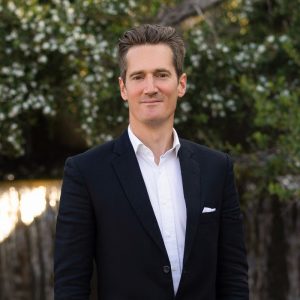
Matthew Berglund serves as the Director of Design at Presidio Bay Ventures, overseeing design and construction processes for the firm’s wide-ranging real estate pursuits, including new construction, adaptive reuse, and mixed-use neighborhood planning. Prior to joining Presidio Bay, Matthew led the design and execution of multiple urban developments with Handel Architects in San Francisco, and before that with Goettsch Partners in Chicago and Abu Dhabi. Matthew holds a Master of Architecture degree from the Illinois Institute of Technology in Chicago. He is a licensed member of the American Institute of Architects, a LEED Accredited Professional, and a member of the Council on Tall Buildings and Urban Habitat.
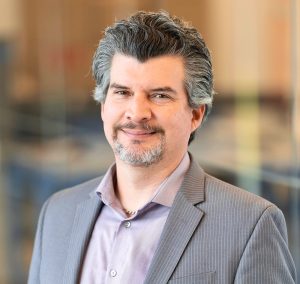
Paul Cordova’s work encompasses new design and construction, seismic retrofit, repair, and rehabilitation of existing buildings, as well as investigation of structural failures. He has worked with a wide range of construction materials and is highly proficient in advanced structural analysis techniques, enabling him to evaluate building behavior effectively. Paul has extensive field experience investigating existing buildings to determine effective strategies for modifying, strengthening, or repairing them, as well as evaluating structural damage, failures, and the underlying causes of deterioration or overload. Paul works closely with architects, owners, developers, contractors, facility managers, and public agencies. His work often involves direct collaboration with design teams, construction teams, building officials, and specialty consultants to develop practical and coordinated structural solutions.
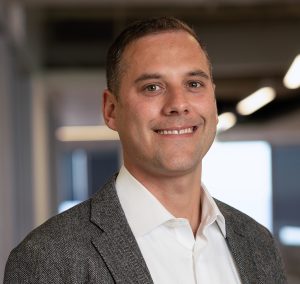
Travis St. Louis designs, investigates, and rehabilitates building enclosures on a wide range of projects for industrial, commercial, health care, and residential facilities. He serves as the corporate practice group leader for roofing and waterproofing at SGH. In addition to roofing and waterproofing, Travis’s expertise also includes contemporary facade and window systems. He collaborates with owners, architects, and design-build teams to develop coordinated solutions for technical challenges. Travis combines his field and design experience with excellent communication skills to deliver value-driven consultation on a wide range of new design projects, assessments, and repairs of existing buildings.
 View All Events