Lab Live: Historic Materials
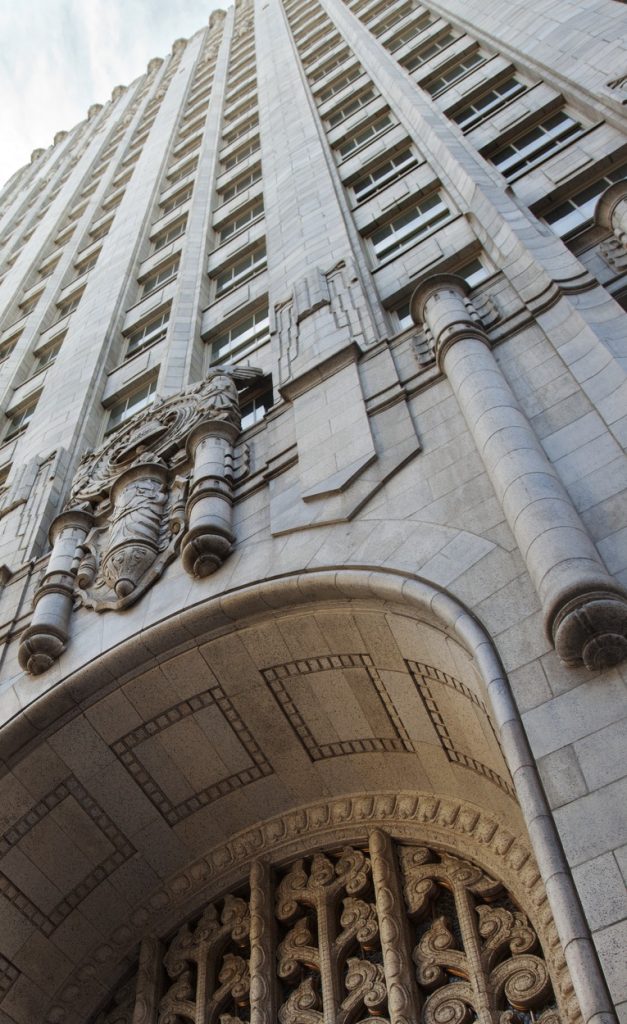
Applied Science in Action to Examine Performance
Historic building materials carry the stories of past construction practices, but their age, variability, and often-unknown performance characteristics can present challenges for today’s project teams. In this “Lab Live” session, our technical experts and laboratory specialists will demonstrate some of the investigative methods we’ve used to evaluate historic materials, including slate, clay tile, stained glass, masonry, and cast iron. Through real-time demonstrations in our Applied Science & Research Center, we will explore testing approaches—including moisture absorption, break testing, vibration monitoring, and masonry prism testing—to illustrate how project teams can understand existing conditions, assess material behavior, and support thoughtful preservation and rehabilitation decisions.
After attending this webinar, participants will be able to:
- Describe common types of historic building materials and the factors that influence their long-term performance.
- Understand laboratory testing methods used to assess historic materials, including moisture absorption, hammer strike testing, break testing, vibration monitoring, and masonry prism testing.
- Understand how material testing informs and supports preservation design decisions by identifying strengths, weaknesses, and deterioration mechanisms in existing historic materials.
- Discuss how the synthesis of in-situ observations, laboratory testing, applied science, analysis, and experience can inform design strategies for historic materials, buildings, and structures.
ABOUT THE "LAB LIVE" SERIES
To understand material performance in the field or determine the causes of underlying building conditions, engineers and material scientists often look to applied science and research methods to improve design and construction processes and probe known issues or problems. By combining technical knowledge with expertise in testing and materials science, these teams can help solve their clients’ most challenging problems by understanding why they occurred in the first place. In Simpson Gumpertz & Heger’s (SGH) virtual “Lab Live” series, we will demonstrate these testing and discovery methods in real time in our Applied Science & Research Center to focus on common and challenging material problems. In these dynamic sessions, we hope to spark discussions that lead to creative ideas and improved collaboration.
Participants will earn 1.5 AIA CES Learning Unit (LU/HSW) for attending the seminar. Registration is free. Please note that space is limited – email events@sgh.com to join our waitlist if the session is closed when you register.
About the Speaker
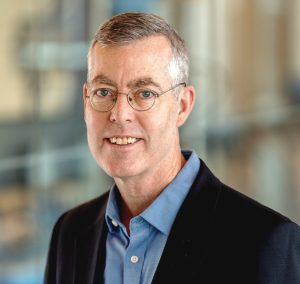
Matthew Bronski is SGH’s Preservation practice area leader, and has led SGH’s projects on many iconic historic buildings. He holds degrees in engineering, architecture, and historic preservation. He has published more than twenty papers on historic preservation and building enclosure issues, and has served as a guest lecturer or guest critic at numerous universities, including Harvard, MIT, and Yale. He also serves as an instructor in the Getty Conservation Institute’s annual international course on conserving modern architecture. In 2009, he became only the second engineer in 113 years to receive the prestigious Rome Prize, which he received in the field of Historic Preservation and Conservation.
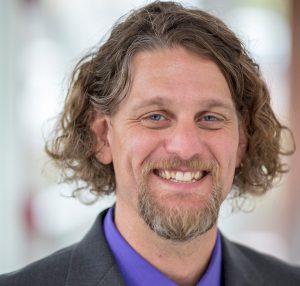
Erik Farrington has extensive experience in structural design for new construction and repair and rehabilitation of numerous buildings. Erik leads SGH’s Structural Repair and Rehabilitation practice area and serves as a principal liaison for multidisciplinary structure-enclosure teams that tackle integrated repairs and rehabilitation of historic building exteriors that double as both structure and enclosure. He has been involved in renovation and structural preservation projects ranging from eighteenth-century wood-framed buildings to nineteenth-century masonry buildings to twentieth-century concrete and steel buildings. Erik has also been an engineer for projects involving investigation and evaluation of similar structures.
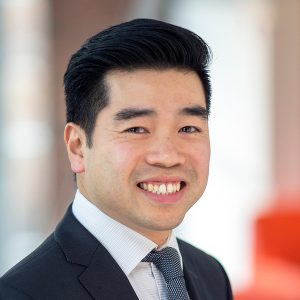
Tat Fu has expertise in structures, building energy modeling, wireless sensing systems, and computational design. Due to the complexity of modern buildings and infrastructure, he studies interdependencies among building and infrastructure components and explores their synergies for efficient design. Additionally, he specializes in using real-world sensors to understand building behaviors. Tat aims to create sustainable buildings and infrastructure in an interdisciplinary manner that incorporates best practices from civil engineering, architecture, electrical engineering, and applied science and research.
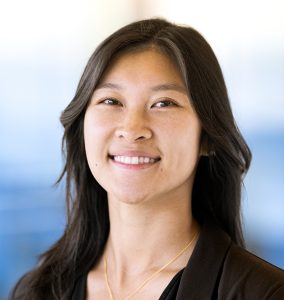
Miranda Tan works on a range of structural repair and rehabilitation, new design, and construction projects. She also has experience in materials investigation and testing, and structural investigation. She is an active member of the American Concrete Institute, New England Chapter; American Society of Civil Engineers; and International Concrete Repair Institute.
 View All Events