Allowing Six-Story Single-Egress Stair Buildings to Address Affordable Housing Needs
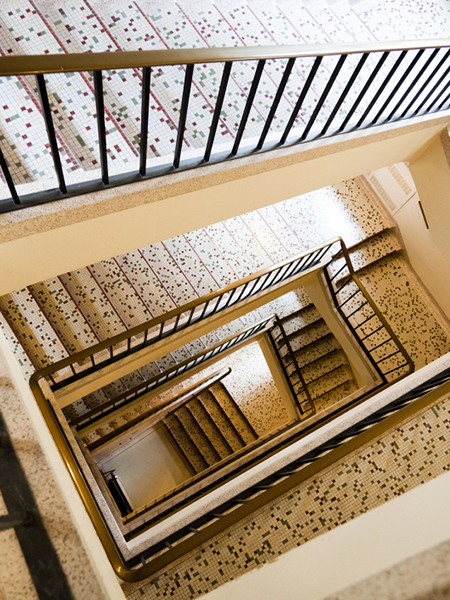
Small, single-egress stair (SES) buildings up to six stories have been a hot topic of late. Housing advocates and community leaders are pushing them as a solution to build more affordable housing. Fire officials, in particular, counter that these SES buildings are not as safe and may compromise occupants’ and firefighters’ safety. However, many cities are adopting this as a strategy for creating more affordable housing. Seattle has had provisions for five-story SES apartment buildings for fifty years, and New York City has its own version. SES buildings are also widely accepted internationally, with varying approaches adopted in Europe and Japan.
In this webinar, we will demonstrate that there are many aspects of life safety to consider for these types of buildings, and having an optional escape route is only one of them. We will also explore how we need to be open to new ideas and processes about these types of buildings to accommodate new strategies and new ways of providing housing.
LEARNING OBJECTIVES
After attending this webinar, participants will be able to:
- Understand different aspects of occupant safety and discuss why having two stairs is not always the best possible strategy.
- Identify risks and protection measures for a single-egress stair building.
- Recognize the importance of multiple facets to life safety.
- Discuss what other aspects of life safety need to be addressed or can be offered as additional protection measures.
Participants will earn 1 AIA CES Learning Unit (LU/HSW) for attending the webinar. Registration is free. Please note that space is limited – email events@sgh.com to join our waitlist if the session is closed when you register.
About the Speaker

Tom Jaleski focuses on creative solutions for even the most mundane code issues, with broad experience helping project teams navigate building, fire, and accessibility codes for new, existing, and historic buildings. He specializes in interpreting complex requirements, assessing existing conditions, and developing creative custom compliance strategies that balance safety, innovation, and project goals. With architecture experience across commercial, assembly, residential, aviation, and storage facilities nationwide, Tom is known for collaborating closely with architects, engineers, and building officials to resolve challenging code issues and secure alternative compliance approvals. He brings a creative, solutions-oriented approach to every project, helping clients achieve safer and more effective built environments
 View All Events