Washington, DC

Crash Performance for Lightweight, High Speed Trains

Scope/Solutions

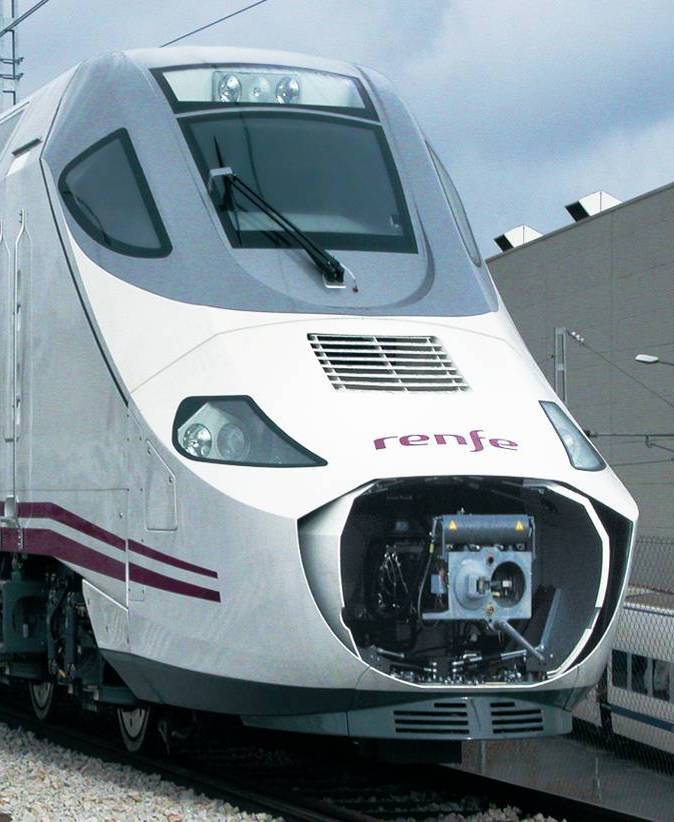
The high speed train industry relies on relatively lightweight equipment to conserve energy and to minimize the effects on infrastructure and rolling stock design. Recent crashworthiness recommendations presented by the Federal Railroad Administration (FRA) Engineering Task Force (ETF) to improve collision safety could lead to increased train weight and the high speed train industry requested further evaluation. Working for the FRA, SGH evaluated existing technology and the resulting impact on the weight of the train.

For this project, SGH identified the existing systems listed below and assessed the effects of the higher level of performance on weight.

  • Occupied volume structure
  • Energy absorption systems and components
  • Coupler technologies, including pushback couplers
  • Anti-climbing systems
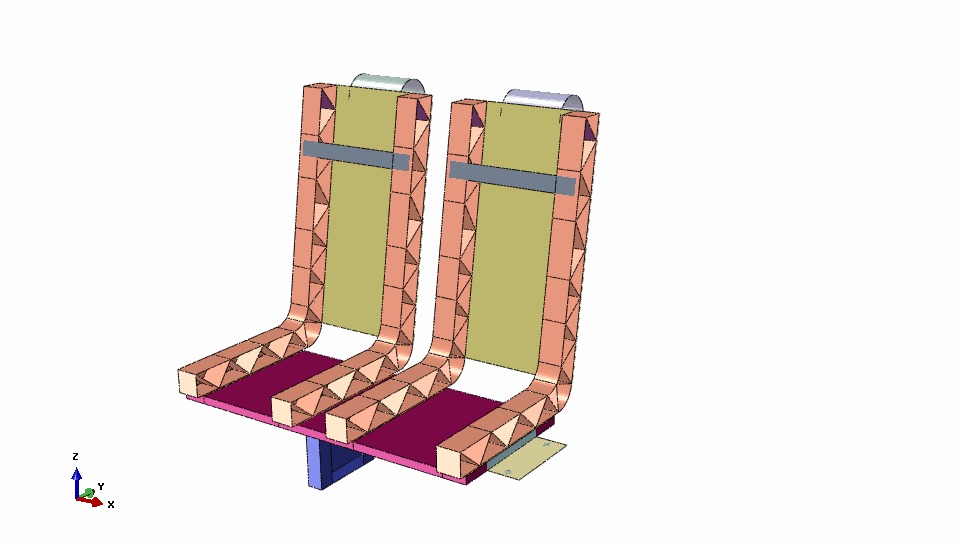
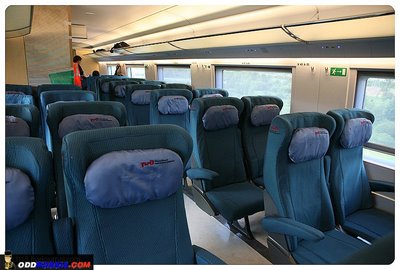
  • Interior components, including seats
  • Fire protection systems

SGH’s work on this project also included the following tasks:

  • Investigation of current lightweight train component technology in Europe and Asia
  • Investigation of lightweight technologies in other industries, including the aircraft industry
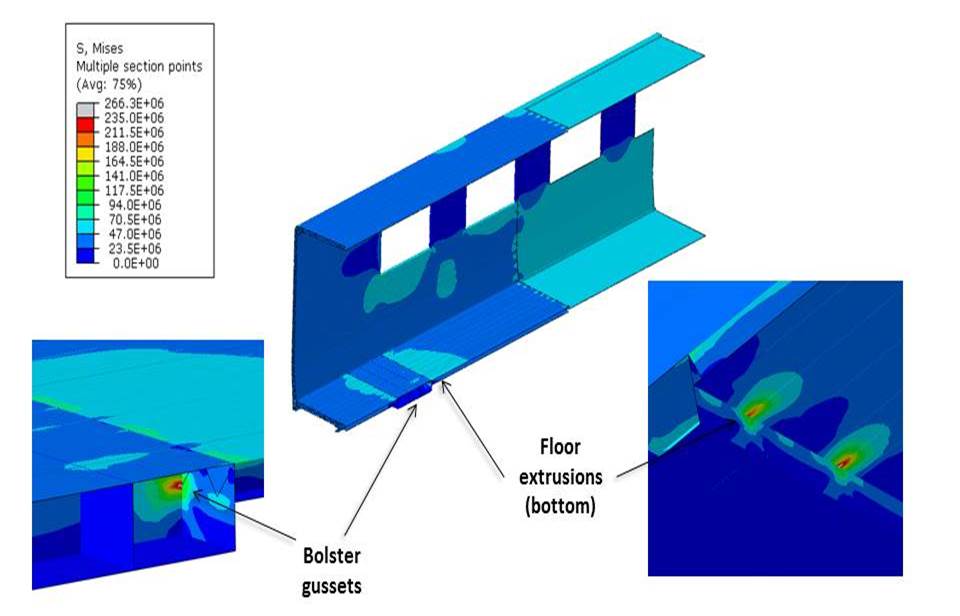
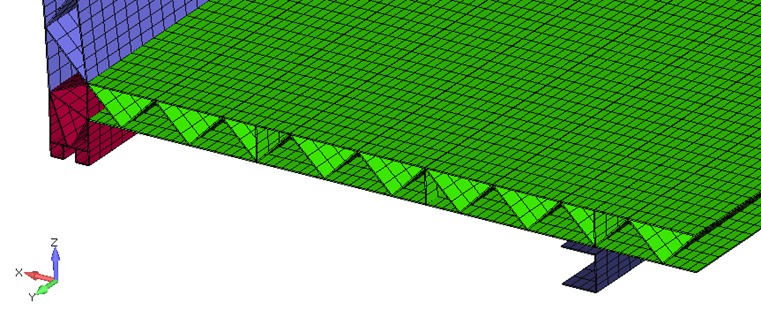
  • Finite element analysis to establish a relationship between crash performance and weight for vehicle strength, seat strength, and structural fire resistance
Project Summary

Icon: completion-date

2014

Completion Date
Solutions
New Construction
Services
Advanced Analysis
Markets
Infrastructure & Transportation
Client(s)
Federal Railroad Administration
Specialized Capabilities
Computational Mechanics

Additional Projects

Mid-Atlantic

William Preston Lane Memorial Bridge

Constructed in 1973, the westbound structures of the William Lane Memorial Bridge carry three lanes of U.S. Route 50 across the Chesapeake Bay. Working with O’Connell & O’Connell, SGH investigated the cause of debonding and helped develop of repair procedures for the 5 mi. long structure.
Explore
Mid-Atlantic

DC Water North East Boundary Trunk Sewer

DC Water inspected the century-old NEBTS and found longitudinal cracks at the crown. SGH helped DC Water and the repair contractor by evaluating the structure before and after the repair, designing emergency repairs, and inspecting the finished work.
Explore