Blog
Blog
Lessons Learned from SGH’s Newest Senior Managers: Purpose, Advice, and What Comes Next
October 19, 2026

In the second part of this series, Simpson Gumpertz & Heger’s (SGH) newest senior managers share what they find most rewarding about their work, the skills that have grown more important throughout their careers, and the lessons and experiences shaping their next chapter.
What aspect of your work do you find most rewarding?
John Stuart: I enjoy the overwhelming variety of project types and practice areas we engage in daily. At SGH, every day you are always learning something new.
Megan Ladd: One of the things I enjoy most is that, as structural engineers, there’s a physical, tangible result of our work. So much of our day-to-day work happens on a screen, but ultimately, those calculations, drawings, and discussions become part of a building that people use and experience. In an increasingly digital world, there’s something incredibly satisfying about being able to point to a building and say, “I worked on that.”
Siena Mamayek: Working with and mentoring the next generation of great technical minds. Being able to teach at my alma mater brings practical industry knowledge directly to the classroom.
Michelle Evans: I find the combination of challenging technical work and variety most rewarding. Every project brings a different set of problems to solve, which keeps the work interesting and creates continual opportunities to learn and grow.
Matthew Colturi: I am fortunate to work directly in my local community, where our work product in the building industry is visible, tangible, and something that can be experienced.
Aaron Yung: The breadth of opportunity and the chance to continually learn something new.
Emanuel DeAndrade: I enjoy seeing a project evolve from an idea into a successful outcome. Equally rewarding is helping younger professionals grow and gain confidence in their abilities.
Jeremy Bowers: Finding practical solutions to complex technical problems that truly benefit the client is what keeps bringing me back, especially when we’ve done quality work and the client recognizes our invaluable input.
Steve Keppel: Helping clients navigate challenges and find solutions, regardless of project size or complexity, is very rewarding. I enjoy being a resource that folks can rely on.
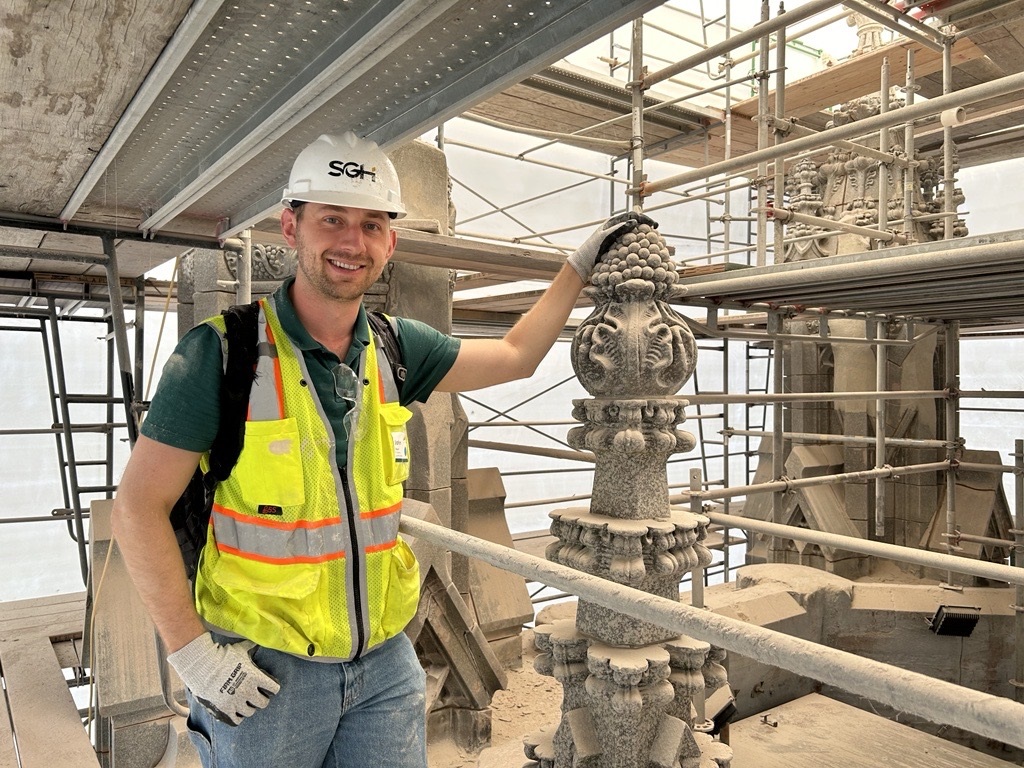
John at a project site.
What’s one skill that has become increasingly important throughout your career?
Kevin Black: Communication has become just as important as technical expertise. The ability to explain complex code and fire protection concepts in a clear, practical way is critical to successful projects.
Steven Palkovic: Communication. As projects become more complex and multidisciplinary, the ability to clearly explain technical concepts to clients, teams, and decision-makers becomes increasingly important to build consensus, resolve problems, and ensure that engineering solutions are effectively implemented.
What are you most excited about in this next stage of your career?
Emanuel: Continuing to grow as a leader while mentoring the next generation of professionals. Sharing my experience and helping others succeed is something I find very fulfilling.
Rachel Lynde: I am excited to continue learning and growing alongside my colleagues as we tackle each new challenge.
Steve: I am looking forward to helping grow geotechnical engineering at SGH while investing in the growth of our talented young staff. Mentoring our people and strengthening our practice are opportunities that I find particularly motivating.
What’s something people would be surprised to learn about your career journey?
Steven: Before consulting, I worked in a startup where adaptability was a necessity. It taught me how to respond to unfamiliar challenges and find practical solutions with limited resources. That experience has been invaluable at SGH, where a successful project often requires the ability to apply engineering fundamentals to new problems or industries.
Mary Kretschmar: I worked in Wellington, New Zealand, for about five years. It was enormously beneficial to learn and practice a different country’s approach to high-seismic engineering!
What’s one lesson you’ve learned throughout your career that has shaped how you lead today?
Melissa Roth: It’s important to document the work and document decisions. Don’t assume anyone else is watching the little details. Check your work, then check it again.
Kevin: You don’t need to have all the answers yourself. The best outcomes usually come from bringing together different perspectives and creating an environment where people feel comfortable sharing ideas and asking questions.
Matthew: The technical work is just the beginning—you must constantly adapt how you communicate your process, findings, and recommendations to bring others along with you.
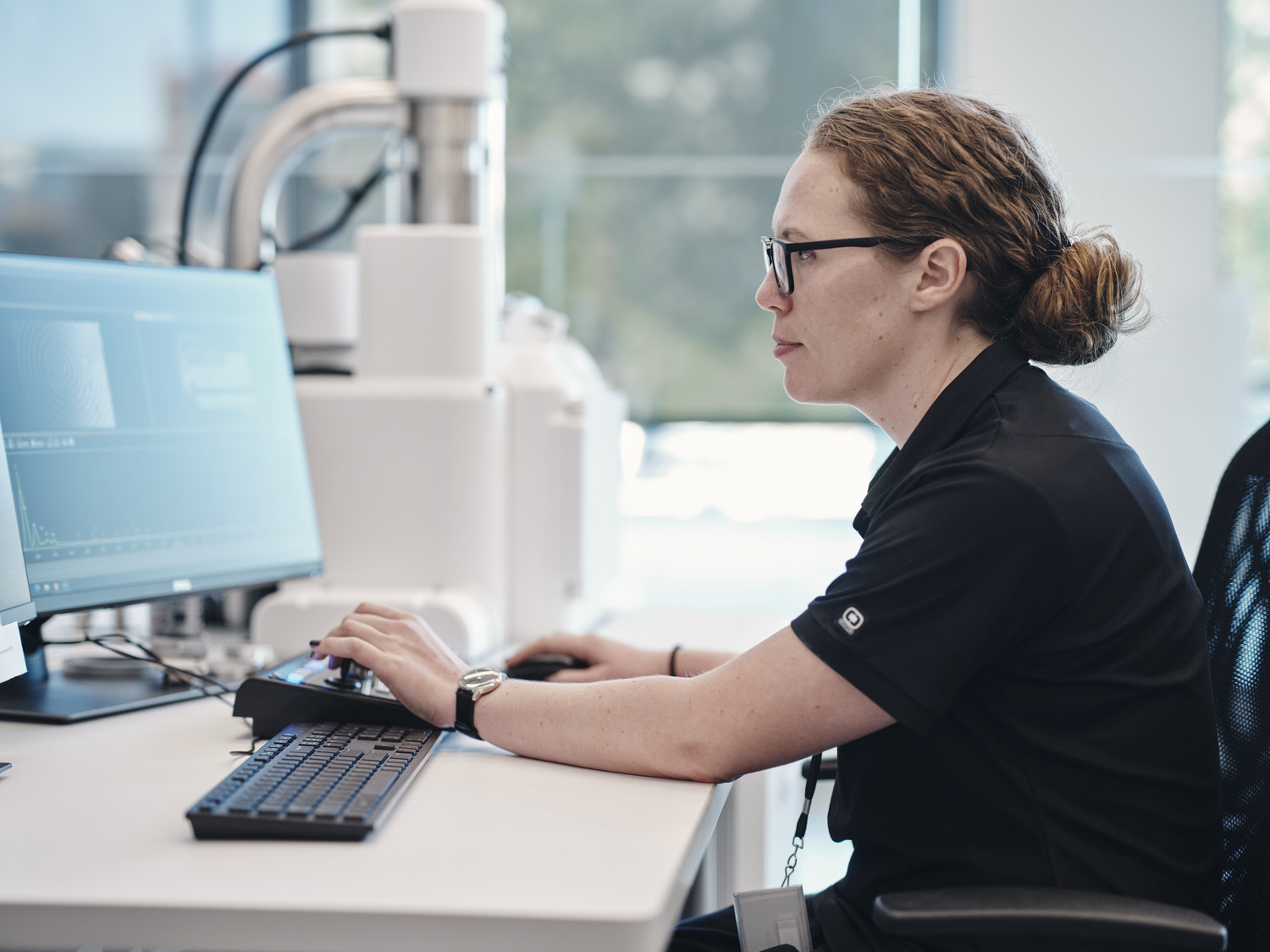
Melissa working in the Applied Science & Research Center.
What advice would you give to your younger self or someone early in their career?
Piyush Garg: While there is an advantage in the details, always keep the focus on the big picture, as that will determine the ultimate goal.
John: Before starting any assignment, try to speak as much as possible with your client about it first. Too often, the AEC industry acts as a one-way pipeline of comments. You would be amazed how much more effective you can be by jumping on a phone call and asking your client questions about their goals, priorities, and background knowledge on a project before your review or analysis.
Michelle: Take full advantage of opportunities that come your way, even when they take you outside your comfort zone. You never know which experience, challenge, or connection might open a new path and help shape your career.
Matthew: Take the initiative to learn and chase work that excites you—invitations to the room where it happens are rare, and people notice passion and drive.
Jeremy: Capitalize on the skills you have and seek to expand them as much as possible. Focus on the fundamentals, and you will continue to build on that learning throughout your career.