Balancing performance and preservation: Strategies for historic metal window rehabilitation in public buildings
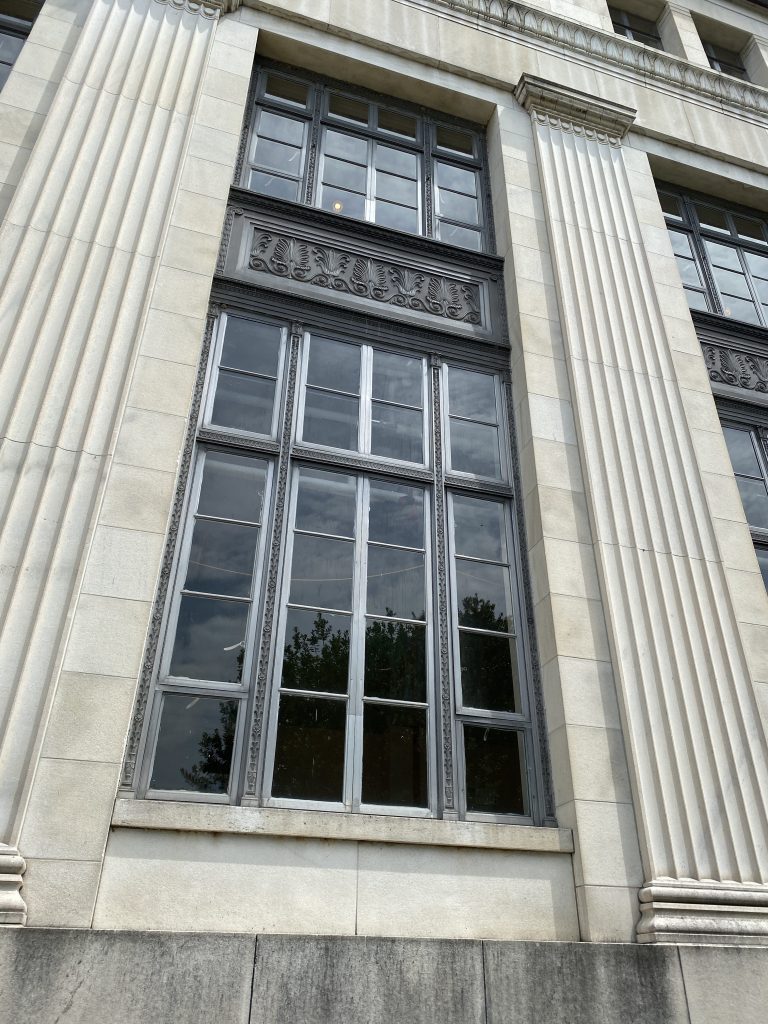
Historic public-sector buildings are tangible aspects of a community’s cultural and architectural heritage, offering a sense of identity and continuity in an ever-changing built environment. Maintaining these structures for future generations requires careful stewardship, particularly when it comes to the rehabilitation of window assemblies. Historic window composition, craftsmanship, and materiality reflect the period of construction and the architectural style of the building; however, they do not typically perform well by modern criteria, such as thermal or condensation resistance. Further, the introduction of tightly controlled interior conditions through HVAC systems has fundamentally changed the criteria in which windows must operate. As historic windows age and degrade, the need to meet increasingly stringent performance standards will present owners with a difficult decision about their windows: to repair or replace them.
This article explores factors that affect the window rehabilitation decision-making process including historical importance, cost, and modern performance requirements imposed on old building stock, especially that of governmental or civic buildings. This article outlines approaches for successful employment of either restoring, and/or supplementing, or replacing historic windows. The authors rely on past works by others, insight from contemporary practicing architects, and experience practicing in the field of enclosure preservation.
Publisher
Construction Specifier