Webinar
Webinar
Casting, Rolling, Forging: How Structural Metals Are Fabricated and What Can Go Wrong
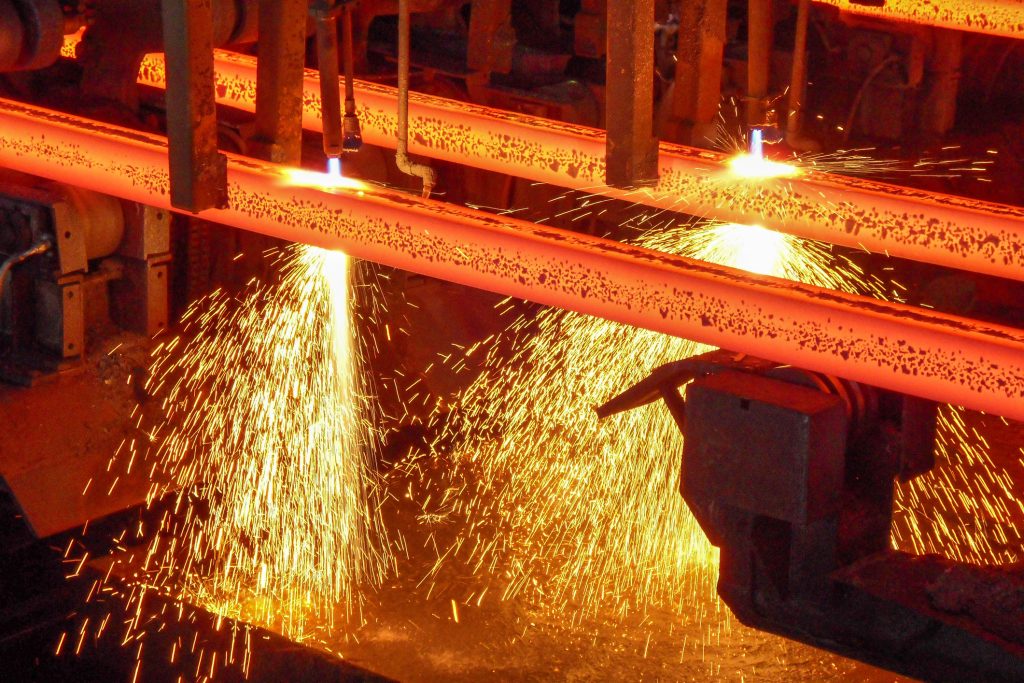
Manufacturing structural metals requires several steps—including ore extraction, smelting, and alloying—to produce a liquid metal. Afterward, the liquid metal is transformed into a final product using processes such as casting, rolling, forging, and extrusion. The fabrication process is important because it determines the alloy’s microstructure and other properties. Cost, efficiency, and environmental concerns can also influence the production techniques chosen. In this webinar, we will explain the fundamentals, compare various processing techniques, discuss how fabrication and quality control processes have been refined over time, and give project examples of failures caused by incorrect procedures. We will also touch on current innovations, such as near-shape forming and 3D printing.
LEARNING OBJECTIVES
After attending this webinar, participants will be able to:
- Understand how metal products are formed by processes such as casting, rolling, forging, and extrusion.
- Identify the difference in microstructures and properties between the processes.
- Recognize the problems that occur if incorrect procedures are used.
- Discuss how metal processing can be refined to improve structural products.
Participants will earn 1 AIA CES Learning Unit (LU/HSW) for attending the seminar. Registration is free. Please note that space is limited – email events@sgh.com to join our waitlist if the session is closed when you register.
About the Speaker

Alan Humphreys | Senior Technical Manager
Alan Humphreys is a metallurgical engineer specializing in failure analysis and structural assessment for degraded materials systems caused by corrosion, fracture and fatigue, or wear. His technical background includes laboratory testing and analysis to ASTM International, NACE International, and American Petroleum Institute standards, as well as the design of fitness-for-purpose experimentation. Alan works on a range of projects involving structures, petrochemical, transportation, and materials processing.