Project
September 7, 2021
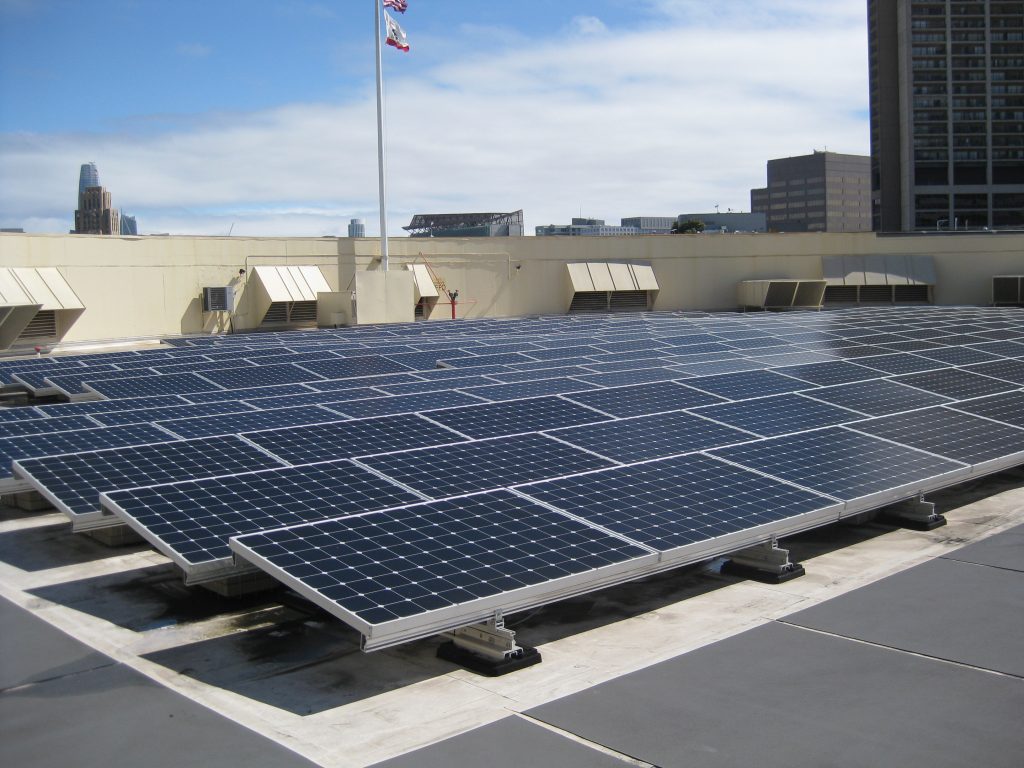
Recent energy conservation code updates in various North American jurisdictions have introduced requirements for new and significantly altered roofs to be solar-ready. In Appendix CB, the 2021 International Energy Conservation Code (IECC)1 defines the term “solar-ready” as having “a section or sections of the roof or building overhang designated and reserved for the future installation of a solar photovoltaic or solar thermal system.” Currently, it is possible to approach the solar-ready requirement by denoting rooftop space for future PV panels on a roof plan, which is the minimum threshold for compliance. For example, the energy conservation code in Washington, DC2 (where the authors reside), requires that the building design “show allocated space and pathways for future installation of on-site renewable energy systems…to cover no less than 25% of [the] horizontal projection of the gross roof area.” This and similar code provisions do not require rooftop renewable energy systems (e.g., PV panels) to be installed when the base building construction is complete.
The building owner will typically engage a PV vendor (many of whom can provide a variety of helpful “turnkey” services) when they are ready to implement the PV system. However, engaging a PV specialist after the base building construction is complete may result in a disconnect in timelines and communication with the base building project team members. In the meantime, simply allocating a portion of the gross roof area during the initial building design—though a productive incremental step toward increasing on-site renewable energy on new buildings—does not account for the multidisciplinary base building design decisions that must often be considered and coordinated for a successful future installation of PV panels. A Canadian Roofing Contractors Association article titled “Photovoltaics in Roofing”3 aptly notes, “If not carefully planned, not only can the hoped-for return on investment in solar quickly evaporate, it can result, instead, in significant financial loss and jeopardize the performance of the roof on which it was installed.”
A proactive approach during initial roof and building design can contribute to a successful and predictable implementation of rooftop PV panels, maintaining the roofing assembly’s performance and mitigating the potential for surprises, such as unexpected costs or constrained options to the building owner. These proceedings compile a set of forward-thinking, solar-ready roof considerations for low-slope membrane roofs (not including electrical design, which is outside the scope of this content) that go beyond roof area allocations and can guide design professionals and other project stakeholders, regardless of whether their jurisdiction regulates solar readiness. As a key member of multidisciplinary project teams for commercial, institutional, and multifamily base building designs, the building enclosure consultant is well-positioned to help keep these topics at the forefront of design/development teams’ thought processes.
IIBEC Interface