California Reimagined: Adding Amenities and Repurposing Spaces in Existing Buildings (Series Part 5)
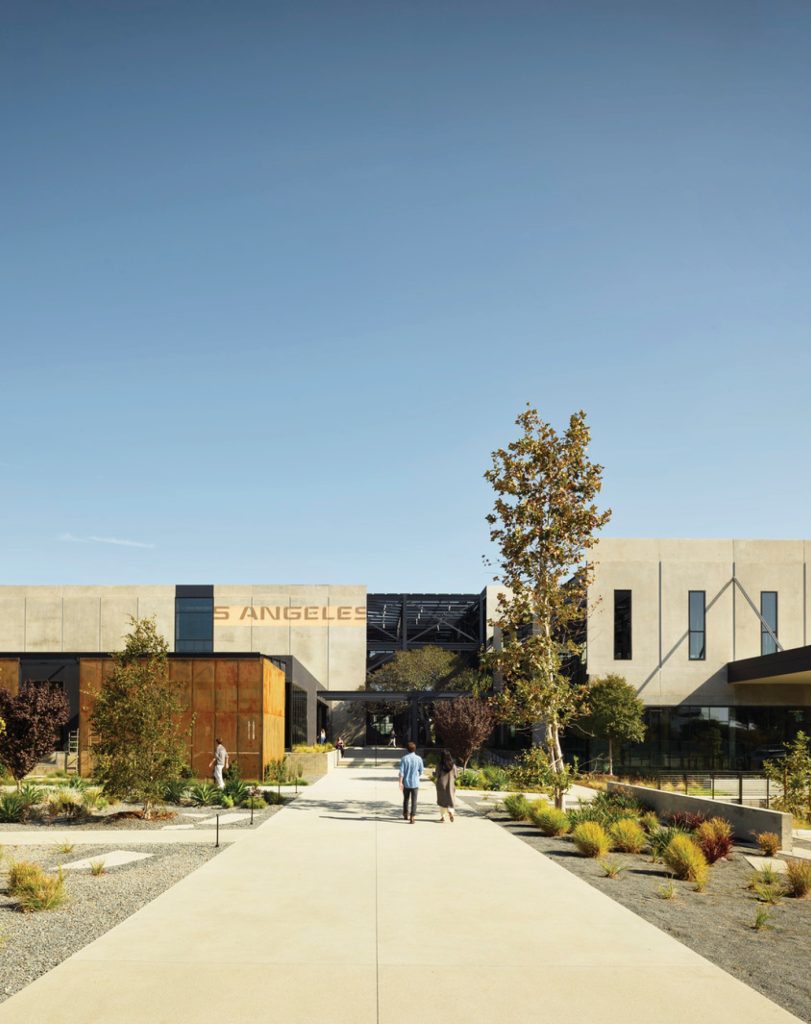
Join us for this five-part series on adaptive reuse and repositioning projects in California. Each 90-minute webinar will bring together engineers, architects, developers, and other AEC experts to share practical insights and real-world examples.
As owners and developers seek to enhance the value and appeal of existing buildings, creating new amenities and features —such as rooftop spaces, pools, balconies, operable windows, and upgraded common areas—have become increasingly common in adaptive reuse and repositioning projects. These enhancements can transform how buildings function and feel, but they also introduce structural, enclosure, waterproofing, and other challenges that must be carefully evaluated. This session will explore the considerations and constraints that shape amenity-focused repurposing of underutilized spaces in California’s existing building stock.
Speakers will outline the structural implications of adding new loads to roofs, plazas, or interior spaces, including the seismic effects of additional mass and the challenges of adapting structures not originally designed for these features. The session will also examine building enclosure and waterproofing considerations, from drainage redesign to converting roofing systems into walkable surfaces. Attendees will gain insight into the technical and regulatory issues that influence amenity design, along with the practical realities owners and developers consider when determining the value and feasibility of these improvements.
LEARNING OBJECTIVES
After attending this session, participants will be able to:
- Identify the structural, seismic, and loading considerations involved in altering existing spaces to provide amenities such as rooftop spaces, pools, and balconies.
- Understand the building enclosure and waterproofing implications of converting roofs or plaza areas into occupied, amenity-focused spaces.
- Recognize proposed alterations or additions that could trigger additional code compliance provisions.
- Describe the developer perspectives and practical factors that influence the feasibility and value of adding amenities and repurposing spaces in adaptive reuse and repositioning projects.
ABOUT THE SERIES
California Reimagined: Adaptive Reuse and Repositioning Insights for the Built Environment
Adaptive reuse—the practice of transforming existing buildings for new purposes—has become an increasingly essential strategy in California for meeting housing needs, revitalizing communities, and reducing the environmental footprint of new development. But as owners, developers, and project teams lean into these projects, they also encounter a distinct set of technical, regulatory, and economic challenges. Existing buildings often come with hidden conditions, legacy systems, and complex code triggers. Upgrading them for new occupancies—especially housing—can require expensive structural, accessibility, and life-safety improvements. At the same time, the financial math of adaptive reuse is often tight, forcing teams to solve problems with creativity rather than capital.
These constraints shift how decisions get made. They affect when to preserve versus replace, how to sequence investigations and evaluate which improvements meaningfully reduce risk, and where performance-based approaches can offer flexibility without compromising safety. Adaptive reuse projects demand interdisciplinary collaboration, inventive detailing, and a willingness to revisit assumptions when field conditions, budgets, or agency feedback change. The work sits at the intersection of preservation, modernization, and long-term resilience—but it also depends on navigating feasibility in a cost-constrained reality.
In this five-part webinar series, we bring together engineers, architects, developers, investment professionals, and other experts to explore the evolving landscape of adaptive reuse in California. Through engaging discussions and real-world case studies, the series will examine crucial themes—from early feasibility and historic-building considerations, to office-to-residential conversions, code implications for contemporary structures, and the integration of new amenities into existing buildings. Attendees will gain practical insights, learn about emerging policies and local processes, and hear a range of perspectives on how to approach these projects with both pragmatism and imagination.
Join us for the rest of the series: 
- Wednesday, January 14: Introducing Adaptive Reuse and Repositioning (Part 1)
- Wednesday, January 21: Preserving Historic Buildings (Part 2)
- Wednesday, January 28: Overseeing Office-to-Residential Conversions (Part 3)
- Wednesday, February 4: Adapting Contemporary Buildings (Part 4)
- Wednesday, February 11: Adding Amenities and Repurposing Spaces in Existing Buildings (Part 5)
Participants will earn 1.5 AIA CES Learning Unit (LU/HSW) for attending the webinar. Registration is free. Please note that space is limited – email events@sgh.com to join our waitlist if the session is closed when you register.
About the Speaker

Marshall Property & Development
Courtney Cummins joined MPD in 2018 as Development Manager, focusing primarily on the Development Management of the Water’s Edge phase III office development, as well as other efforts at Playa Jefferson, both located in Playa Vista, California. Prior to MPD, Courtney had both development and construction management roles over a five-year period that included more than 1,500 high-density apartment projects for MillCreek Residential. Prior to MillCreek, she was with McShane in Irvine, California, where among other projects she was responsible for the construction management of a distribution facility for FedEx. She brings strong knowledge, expertise, and processes to MPD’s office, multifamily, industrial, and tenant improvement developments. Courtney graduated from the University of Southern California in 2009 with a B.S. in Civil Engineering from the Vertibi School of Engineering.
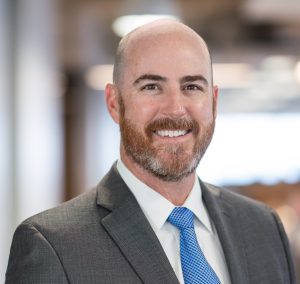
Kevin’s experience includes designing new buildings; designing modifications to existing buildings, including seismic retrofit, historic preservation, and adaptive reuse; and investigating existing building structures. He is passionate about seismic safety and in addition to new design, he has designed numerous seismic retrofits of soft-story wood-framed buildings, non-ductile concrete buildings, brick masonry buildings, and welded steel moment frame buildings in Southern California to make communities safer. Kevin is collaborative in his project leadership, approachable by clients, and can clearly communicate complex structural engineering in terms clients understand. Kevin is also an active leader in several professional organizations.
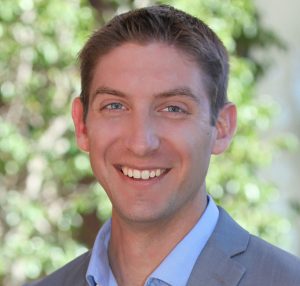
Chris Norton has a broad range of experience with building enclosure systems, including new design, existing building repairs and retrofits, heritage conservation projects, and daylighting design concepts. He is skilled in evaluating the performance of exterior systems for moisture, air, thermal, and solar issues to provide a holistic understanding of building enclosures and issues that drive performance goals. Diagnosing failures and designing repairs for existing projects has given him the expertise necessary to identify complications during the design process and to provide solutions for complex material, geometric, and aesthetic challenges.
 View All Events