Wildland-Urban Interface Areas: Lessons Learned from Past Wildfires
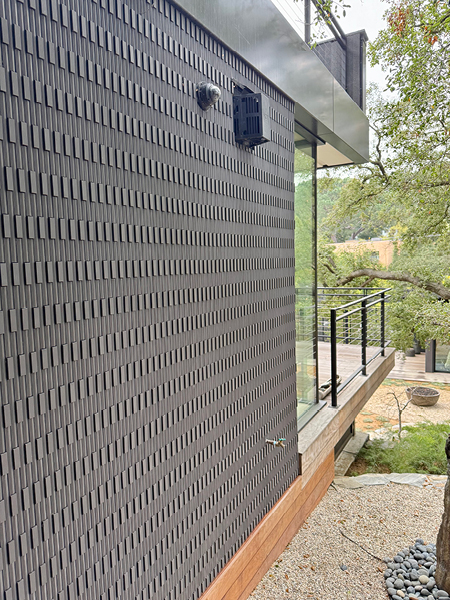
As urban development increasingly meets wildland settings, AEC professionals face new challenges and opportunities to mitigate the risks of wildfires in wildland-urban interface (WUI) areas. After catastrophic events—including recent wildfires in Altadena and the Palisades in Southern California—post-fire analyses often reveal important clues for future resilience that lead project teams to consider building code updates, material choices, and land management practices. In this webinar, we will share best practices for enhancing a building’s ability to resist flame intrusion and slow the impact of burning embers in WUI areas and their Fire Hazard Severity Zones. Based on research, project experience, and knowledge from throughout the fire protection engineering industry, we will offer guidance for key building protection measures relating to roofs, exterior walls, doors and glazing, and vents and chimneys.
LEARNING OBJECTIVES
After attending this webinar, participants will be able to:
- Analyze wildfire risk factors in WUI areas.
- Recognize fire-resistant materials and construction techniques.
- Examine case studies from past wildfire events to understand how design choices and maintenance practices impact structural resilience.
- Discuss practical strategies for integrating fire-resistant design principles and adhering to current building codes and standards in upcoming projects.
Participants will earn 1.0 AIA CES Learning Unit (LU/HSW) for attending the webinar. Registration is free. Please note that space is limited – email events@sgh.com to join our waitlist if the session is closed when you register.
About the Speaker

Nate Wittasek has extensive experience working in the fire protection and regulatory arenas. He brings a practical approach to the fire protection engineering field that reflects his diverse training and experiences in academia, codes consulting for both new and existing facilities, performance-based fire protection engineering, sustainable design, wildland interface fire protection, and the fire service. His experience includes failure analysis, fire engineering, systems design, and building codes consulting for commercial and infrastructure projects in North America, Europe, Asia, and the Middle East. Nate specializes in fire life safety systems and approaches that are used in assembly venues, tall buildings, cultural heritage facilities, and historic structures.
 View All Events